Guiding teenagers through their career exploration is more important than ever in today’s fast-changing world. As young people face countless options and uncertainties, having a dedicated mentor to support their journey can make all the difference.

Youth counselors play a vital role in helping teens discover their strengths, interests, and potential paths. Their hands-on approach not only builds confidence but also equips young individuals with practical tools for decision-making.
Understanding real-life cases of career guidance offers valuable insights into effective strategies and challenges. Let’s dive in and explore these inspiring examples in detail!
Building Trust and Understanding Individual Strengths
Creating a Safe Space for Open Dialogue
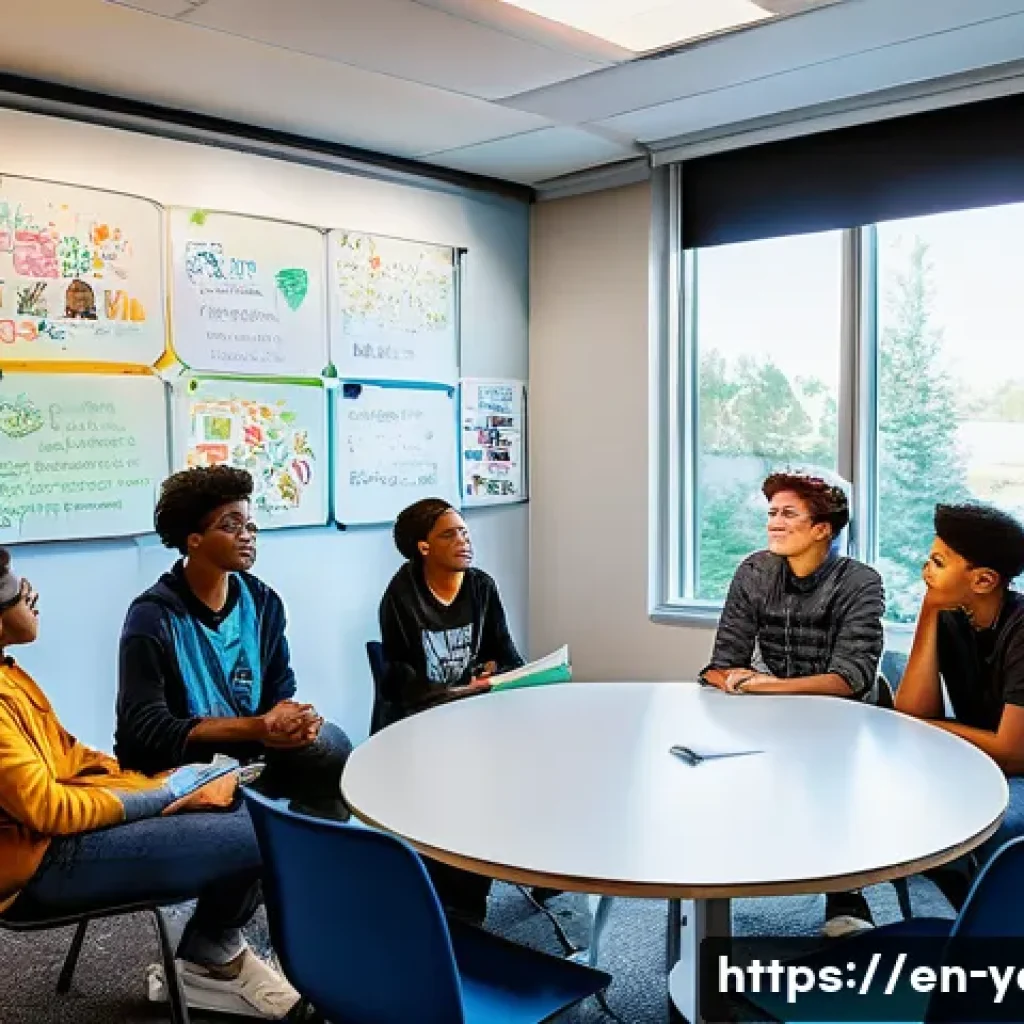
When working with teenagers, the first step I’ve found crucial is establishing a trusting environment. Teens are often navigating a whirlwind of emotions and uncertainties, and without feeling safe, they might shut down or hesitate to share their true interests and fears.
For example, during one session, a teen initially only spoke in vague terms about their future, but as I kept conversations judgment-free and empathetic, they gradually opened up about their passion for graphic design.
This shift wasn’t overnight—it took patience and consistent encouragement. By fostering trust, counselors can tap into genuine conversations that reveal a young person’s authentic strengths and desires.
Identifying Hidden Talents Through Interactive Activities
It’s easy for teenagers to overlook or underestimate their own abilities, especially when their school environment doesn’t highlight creative or unconventional skills.
I’ve seen hands-on activities like personality quizzes, role-playing scenarios, or even simple hobby explorations work wonders. For instance, one teen who struggled academically discovered through a career interest inventory that they had a knack for problem-solving and leadership.
We then connected those traits to careers in project management and entrepreneurship. These tools aren’t just assessments—they’re confidence builders that help teens visualize pathways aligned with their natural talents.
Recognizing the Role of Emotional Support
Supporting teens isn’t just about career options; it’s about understanding their emotional state and how it influences decision-making. I remember a case where a young person’s family pressures caused intense stress, making it hard for them to focus on future planning.
By acknowledging those emotional barriers and providing consistent reassurance, the teen was able to shift from feeling overwhelmed to being proactive.
This emotional grounding is often the foundation that allows them to think clearly about their options rather than feeling trapped by external expectations.
Integrating Real-World Experiences into Career Exploration
Encouraging Job Shadowing and Internships
Nothing beats firsthand experience when it comes to understanding what a job really entails. I’ve encouraged teens to pursue short-term internships or job shadowing opportunities in fields they’re curious about.
One memorable example was a teen interested in veterinary medicine who spent a week at a local animal clinic. The experience didn’t just confirm their interest—it also exposed them to the realities of the profession, from the rewarding moments to the challenges.
This kind of immersion helps teens make informed decisions and keeps their motivation authentic.
Utilizing Community Resources and Networks
Many teens don’t realize how many resources are already available to them, from local business mentorships to community college programs. I make it a point to connect teens with these opportunities, often collaborating with school staff and local organizations.
For example, partnering with a nearby tech startup allowed a group of students to work on real projects, giving them a taste of the industry’s pace and culture.
These connections not only provide practical experience but also open doors to potential future employment or education pathways.
Reflecting on Experience to Refine Goals
After a hands-on experience, reflection is key. I guide teens through discussions or journaling exercises about what they learned and how it changed their perceptions.
One teen initially drawn to marketing realized through an internship that they preferred the analytical side of data rather than client interaction. This clarity helped pivot their exploration toward data analytics programs.
Reflection turns experiences into actionable insights, helping teens refine their goals with greater precision.
Empowering Decision-Making Through Skill Development
Teaching Critical Thinking and Problem-Solving
I’ve noticed that teens often feel paralyzed by the overwhelming number of career choices because they lack decision-making confidence. To counter this, I incorporate exercises that develop critical thinking—such as scenario analysis or debating pros and cons of different paths.
For instance, a teen unsure about college versus vocational training benefited greatly from breaking down the outcomes of each choice, which made the decision feel more manageable and less intimidating.
Building Resilience and Adaptability
In today’s rapidly changing job market, resilience is a superpower. I share stories of professionals who’ve pivoted careers multiple times and encourage teens to view setbacks as learning opportunities.
One teen who faced rejection from an internship initially felt defeated but learned to reframe the experience as a stepping stone. Developing this mindset early on helps teens remain flexible and open-minded, which is essential for long-term success.
Providing Tools for Goal Setting and Planning
I help teens set realistic, actionable goals by breaking down their aspirations into smaller steps with timelines. Using visual planners or apps, they learn to track progress and adjust plans as needed.
For example, a student aiming to become a software developer created a roadmap including coding classes, small projects, and networking events. This structured approach reduces overwhelm and gives teens a tangible sense of control over their futures.
Utilizing Technology to Enhance Career Exploration
Leveraging Online Career Assessments
Digital tools have transformed how teens explore careers. I often recommend reputable online assessments that match interests and skills to potential fields.
While these tools aren’t definitive, they serve as a springboard for deeper conversations. One teen’s results highlighted unexpected career options, prompting them to research fields they hadn’t considered before.
These assessments can reveal hidden possibilities and broaden perspectives beyond traditional roles.
Exploring Virtual Internships and Webinars
Especially in recent years, virtual experiences have become invaluable. I encourage teens to attend webinars hosted by industry professionals or participate in virtual internships, which offer flexibility and access to a wider range of fields.

A teen interested in environmental science joined an online seminar with a conservation expert, which sparked new questions and enthusiasm. These digital experiences complement in-person opportunities and expand teens’ horizons.
Creating Digital Portfolios and Networking Profiles
Helping teens build a digital presence is another powerful way to support their career journey. I guide them in creating portfolios showcasing projects, skills, and achievements, as well as professional networking profiles on platforms like LinkedIn.
This not only boosts confidence but also prepares them for the realities of job searching in a connected world. One teen landed a summer internship after a mentor noticed their well-crafted online portfolio, highlighting the practical impact of this guidance.
Addressing Challenges and Overcoming Barriers
Navigating Family Expectations and Cultural Pressures
Many teens face pressure from family or cultural norms that can conflict with their own interests. I’ve worked with teens who felt torn between pursuing creative arts versus more traditional careers favored by their families.
By facilitating open conversations involving both teens and their families, I help bridge understanding and advocate for the teen’s authentic aspirations.
This approach often softens resistance and fosters support rather than conflict.
Supporting Teens with Learning Differences
Career exploration can be particularly challenging for teens with learning disabilities or neurodiverse profiles. Tailoring guidance to their unique learning styles and strengths is essential.
For example, a teen with ADHD thrived when we focused on careers with hands-on, dynamic environments rather than desk-bound roles. Collaborating with special educators and using adaptive tools ensures these teens receive equitable support in discovering fulfilling career paths.
Managing Anxiety and Uncertainty About the Future
It’s common for teens to feel anxious about making “the right” career choice in a world that’s constantly evolving. I incorporate mindfulness techniques and stress management strategies alongside career counseling.
Helping teens accept uncertainty as part of growth reduces pressure and opens space for exploration. One teen who struggled with anxiety found that combining relaxation exercises with career research sessions made the process less daunting and more enjoyable.
Collaborative Goal-Setting with Families and Schools
Aligning Teen Aspirations with Family Perspectives
Successful career guidance often involves the family as a partner. I’ve seen how involving parents or guardians in goal-setting sessions can create a unified support system.
For example, a family meeting to discuss a teen’s interest in a trade school helped parents appreciate the practical benefits and career stability, easing earlier concerns.
This collaborative approach strengthens encouragement and reinforces the teen’s confidence.
Coordinating with Educators and Counselors
Teens benefit most when their career exploration is supported consistently across school and community settings. I regularly communicate with teachers and school counselors to align academic plans with career interests.
This ensures that course selections and extracurricular activities reflect the teen’s goals. One case involved coordinating a student’s schedule to include advanced STEM classes that directly supported their ambition to enter engineering, which made their educational journey feel purposeful and motivating.
Tracking Progress and Adjusting Plans Together
Career paths aren’t linear, and I emphasize the importance of revisiting goals regularly with both teens and their families. By setting periodic check-ins, we adapt plans based on new insights or changes in interest.
This ongoing dialogue keeps motivation high and prevents discouragement if plans need to shift. For example, a teen who switched focus from finance to digital marketing benefited from a flexible plan that embraced their evolving passions.
| Career Guidance Strategy | Key Benefits | Example Case |
|---|---|---|
| Trust Building | Encourages honest sharing, reveals authentic interests | Teen opens up about graphic design passion after repeated safe conversations |
| Real-World Experience | Provides clarity, confirms or redirects interests | Internship at animal clinic solidifies veterinary aspirations |
| Skill Development | Enhances decision-making, builds resilience | Decision matrix helps teen choose between college and vocational training |
| Technology Integration | Expands opportunities, modernizes exploration | Virtual internship sparks new enthusiasm in environmental science |
| Addressing Barriers | Mitigates family pressure, supports neurodiverse teens | Family meeting resolves tension over career choice |
| Collaboration | Creates unified support, aligns goals | School coordination enables tailored STEM courses |
글을 마치며
Helping teenagers navigate their career paths is a journey built on trust, real-world experiences, and skill development. By creating supportive environments and leveraging technology, we empower young people to explore their strengths authentically. Collaboration with families and schools ensures a well-rounded approach that adapts as teens grow. Ultimately, guiding teens with empathy and practical tools helps them build confidence and make informed decisions for their futures.
알아두면 쓸모 있는 정보
1. Establishing trust early encourages teens to openly share their true interests and fears, which is essential for meaningful career guidance.
2. Hands-on activities and real-world experiences like internships provide clarity and help teens confirm or adjust their career goals.
3. Emotional support plays a crucial role in helping teens overcome stress and external pressures, enabling clearer decision-making.
4. Incorporating technology such as online assessments, virtual internships, and digital portfolios broadens opportunities and modernizes exploration.
5. Involving families and schools in the career planning process creates a strong support system and ensures goals stay aligned as teens evolve.
핵심 포인트 요약
Successful career exploration for teens depends on creating a safe, trusting environment and identifying their unique strengths through interactive methods. Real-world exposure and emotional support help clarify goals, while skill-building fosters resilience and confidence. Integrating technology enhances access to resources and experiences. Addressing family and cultural pressures, along with collaboration among educators and guardians, ensures a unified, adaptable approach that supports teens’ growth and decision-making throughout their journey.
Frequently Asked Questions (FAQ) 📖
Q: How can youth counselors effectively help teenagers identify their strengths and interests during career exploration?
A: Youth counselors can create a supportive environment where teens feel comfortable sharing their thoughts and experiences. By using personalized assessments, open-ended questions, and reflective activities, counselors help teens uncover what truly excites and motivates them.
From my experience working with young people, incorporating real-world scenarios and hands-on projects allows teens to connect their interests with potential career paths more naturally.
This approach not only reveals their strengths but also boosts their confidence, making the exploration process more engaging and meaningful.
Q: What practical tools do youth counselors provide to help teenagers make informed career decisions?
A: Counselors often equip teens with tools like goal-setting frameworks, decision-making models, and research techniques to explore various industries and roles.
For example, I’ve seen counselors guide teens in creating vision boards or career maps, which visually organize their aspirations and steps to achieve them.
Additionally, facilitating informational interviews, job shadowing, and internships offers teens firsthand experience that sharpens their judgment. These tools empower teens to weigh options realistically and develop a clear plan, reducing anxiety around making big life choices.
Q: What challenges do youth counselors commonly face when guiding teenagers through career exploration, and how can they overcome them?
A: One major challenge is dealing with teens’ uncertainty and sometimes conflicting interests, which can make decision-making overwhelming. Another is the influence of external pressures, like family expectations or societal stereotypes, which may cloud a teen’s authentic preferences.
To overcome these, effective counselors practice active listening and patience, helping teens untangle their feelings and fears. Sharing relatable stories or examples from previous clients who successfully navigated similar struggles can also inspire hope.
Ultimately, building trust and maintaining a flexible, non-judgmental approach creates a safe space for teens to explore and grow at their own pace.