Unlock Student Potential: 5 Transformative Tips for Youth Leaders in School Partnerships

webmaster

청소년지도사와 학교 연계 프로그램 - **Prompt:** A compassionate female youth counselor, in her late 30s with a warm, understanding smile...

Hey there, wonderful readers! In today’s rapidly changing world, our young people face unique challenges, from navigating digital landscapes to building resilience and well-being.

As someone deeply invested in youth development, I’ve been incredibly excited to witness the growing collaboration between dedicated youth counselors and schools.

These dynamic partnerships are truly transforming student support, moving beyond traditional academics to foster holistic growth and equip students with essential life skills for their future.

I’ve seen firsthand the profound positive impact these integrated programs have on students’ mental health, social development, and overall readiness.

Want to know more about how these crucial collaborations are making a real difference in the lives of our kids? Let’s explore exactly what makes them so powerful.

Beyond the Classroom: Fostering Holistic Student Well-being

청소년지도사와 학교 연계 프로그램 - **Prompt:** A compassionate female youth counselor, in her late 30s with a warm, understanding smile...

You know, for years, schools have done an amazing job focusing on academics, teaching our kids everything from algebra to Shakespeare. But as a parent and someone who’s spent countless hours observing the school environment, I’ve seen that true success extends far beyond just test scores. Our young people are navigating a world that’s more complex than ever before, facing pressures that often go unseen. That’s why I’m incredibly passionate about the way youth counselors are stepping in, creating a seamless support system right within our schools. It’s about recognizing that a student struggling with anxiety or social challenges won’t perform their best in math class, no matter how brilliant their teacher is. We’re talking about a paradigm shift where mental health, emotional resilience, and social skills are given the same importance as traditional subjects. It’s about building up the whole child, ensuring they have the tools not just to pass exams, but to thrive in life. From my perspective, this collaborative approach is absolutely essential for preparing kids for the real world, equipping them with a robust internal toolkit to handle whatever comes their way. It truly feels like we’re finally moving towards a more complete understanding of what it means to educate and nurture our next generation.

More Than Grades: Focusing on Emotional Intelligence

When I talk about holistic well-being, a huge part of that is emotional intelligence. It’s not just about knowing your feelings, but understanding how to manage them, how to empathize with others, and how to navigate social dynamics effectively. Youth counselors are master facilitators in this area, bringing workshops and one-on-one sessions directly into the school day. I’ve personally witnessed the transformation in kids who learn to articulate their emotions instead of acting out, or who develop strategies to handle peer pressure with confidence. This isn’t a soft skill; it’s a critical life skill that impacts everything from friendships to future careers.

Creating a Safe Space: The Counselor’s Role on Campus

Let’s be real, sometimes kids just need a safe adult who isn’t their parent or their teacher to talk to. A youth counselor on campus provides that vital neutral ground. They’re trained to listen without judgment, to offer guidance, and to connect students with additional resources if needed. I’ve heard so many stories from students who felt heard for the first time in a counselor’s office, feeling understood and supported during challenging times. This accessibility is key; it removes barriers to seeking help and fosters a culture of open communication about mental health.

Building Bridges: How Collaboration Transforms Support Systems

I can tell you from my own observations that the magic truly happens when youth counselors and school staff aren’t operating in silos, but are instead working as a cohesive unit. This isn’t just about sharing a hallway; it’s about sharing information (appropriately, of course!), strategies, and a unified vision for student success. Before this kind of integration became more common, it often felt like teachers were left to tackle complex emotional or behavioral issues alone, which frankly isn’t what they signed up for, nor are they always equipped to handle it. Now, with dedicated counselors as part of the team, there’s a powerful synergy. The school benefits from the counselor’s specialized expertise, and the counselor gains invaluable insights into the daily lives and classroom behaviors of the students. It creates a much more robust safety net, ensuring that no student falls through the cracks. From my conversations with educators and counselors alike, this collaborative model significantly reduces burnout for teachers, allowing them to focus on what they do best: teaching, while knowing their students’ broader needs are being addressed by skilled professionals. It’s an exciting evolution in student care that I believe will become the gold standard.

Seamless Referrals: Getting Kids the Help They Need

One of the biggest advantages of embedded youth counselors is the ease of referral. When a teacher notices a student struggling—perhaps with attendance, sudden behavioral changes, or withdrawal—they can make an immediate, direct connection to the counselor right there on campus. This cuts down on bureaucracy and time, which are often critical factors when a student is in distress. I’ve seen firsthand how quickly a student can get the support they need when the process is streamlined and the lines of communication are open between staff.

Shared Expertise: A United Front for Student Success

When counselors and teachers regularly communicate, they can develop more effective, individualized support plans for students. The teacher might provide context about classroom behavior, while the counselor offers insights into family dynamics or emotional challenges. This shared understanding leads to a much more comprehensive and effective approach. It’s like having two sets of expert eyes on a student, ensuring all facets of their development are considered.

Advertisement

The Power of Proactive Care: Addressing Challenges Early On

I’ve always been a firm believer that an ounce of prevention is worth a pound of cure, and nowhere is that more true than in youth mental health. Historically, much of the support for students has been reactive, only kicking in when a crisis erupts or when problems become undeniable. What I find truly groundbreaking about the integrated youth counselor model is its emphasis on proactive care. Counselors aren’t just waiting in their offices for students to be sent to them; they’re actively engaging with the student body, running preventative programs, and being visible figures in the school community. This approach helps destigmatize seeking help and encourages students to address smaller issues before they escalate into major problems. I’ve personally seen the confidence boost in kids who participate in workshops on stress management or healthy relationships, learning coping mechanisms before they’re in a high-pressure situation. This forward-thinking strategy not only saves individual students from immense suffering but also contributes to a healthier, more positive school culture overall. It’s about building resilience from the ground up, making our youth stronger and more capable of weathering life’s inevitable storms.

Early Intervention: Spotting the Signs Before Crisis

A visible and integrated youth counselor is better positioned to identify students who might be quietly struggling. Through classroom visits, lunchroom interactions, or informal check-ins, they can build rapport and notice subtle changes in behavior that might indicate an underlying issue. This early detection allows for timely intervention, potentially preventing a small worry from becoming a severe mental health crisis. It’s about catching things early, which I’ve found to be profoundly impactful.

Preventative Workshops: Building Resilience from Within

Imagine a school where every student gets regular lessons on managing anxiety, developing self-esteem, or navigating social media safely. This is the reality many integrated programs are creating. Youth counselors lead workshops on crucial topics like conflict resolution, mindfulness, and digital citizenship. These aren’t just one-off lectures; they’re often interactive sessions designed to equip students with practical skills and strategies that they can use in their daily lives. I’ve seen the confidence these programs instill in young people.

Empowering Our Youth: Equipping Students for Tomorrow’s World

Let’s face it, the world our kids are stepping into is vastly different from the one we grew up in. Academic knowledge is essential, of course, but equally crucial are the intangible skills that allow young people to adapt, innovate, and connect. This is where the partnership between youth counselors and schools truly shines, extending its reach far beyond emotional support to empower students with a comprehensive skill set for the future. I’m talking about things like critical thinking, effective communication, and problem-solving abilities that aren’t always explicitly taught in traditional curricula. Counselors often facilitate group activities and individual coaching sessions that help students develop these “soft skills” which are, in fact, incredibly hard and valuable. From leading peer mentoring programs to guiding students through difficult social situations, these professionals are preparing our kids for everything from successful job interviews to building healthy relationships in adulthood. I’ve seen firsthand how these interventions build a profound sense of agency and self-efficacy in young people, giving them the confidence to tackle challenges head-on and truly shape their own destinies.

Life Skills Beyond Textbooks: Communication and Problem-Solving

How do you navigate a disagreement with a friend? How do you speak up for yourself respectfully? These are the kinds of essential life skills that youth counselors actively teach and model. Through role-playing, group discussions, and guided problem-solving, students learn practical strategies for effective communication, conflict resolution, and decision-making. These aren’t just abstract concepts; they’re immediately applicable tools that empower students in their daily interactions.

Career Exploration: Guiding Future Paths

While school career advisors play a role, youth counselors often provide a deeper, more personalized layer of guidance. They can help students connect their personal interests, strengths, and values to potential career paths. I’ve seen counselors facilitate discussions about future aspirations, help students research different professions, and even connect them with mentors or work experience opportunities. It’s about helping young people envision a meaningful future and then providing the support to start building towards it.

Advertisement

Navigating the Digital Maze: Supporting Mental Health in the Modern Age

As a parent and someone who keeps a close eye on youth culture, I can confidently say that the digital world is a double-edged sword for our kids. On one hand, it offers incredible opportunities for connection and learning. On the other, it presents a minefield of challenges: cyberbullying, social comparison, addiction to screens, and the relentless pressure to maintain a curated online persona. This is precisely why the role of youth counselors in schools has become even more critical. They’re not just addressing traditional adolescent issues; they’re on the front lines helping students develop digital literacy and resilience. I’ve seen counselors lead incredibly insightful discussions about online safety, the impact of social media on self-esteem, and strategies for maintaining a healthy balance between screen time and real-world interactions. This specialized support is invaluable because, let’s be honest, many adults, myself included, are still trying to figure out how to navigate this landscape ourselves! The counselors provide a crucial, informed voice, helping students develop the critical thinking skills to discern what’s real online and the emotional tools to cope with digital pressures. They are truly vital in ensuring our kids can thrive in this increasingly connected, yet often overwhelming, digital age.

Digital Wellness: Tackling Cyberbullying and Screen Time

Cyberbullying can be devastating, and excessive screen time can impact sleep, mood, and academic performance. Youth counselors address these issues head-on, providing a safe space for students to talk about their online experiences. They educate students on responsible digital citizenship, offer strategies for dealing with cyberbullying, and help them develop healthier habits around device usage. This isn’t about shaming, but empowering students to be mindful and safe online.

Mindfulness in a Digital World: Coping Strategies

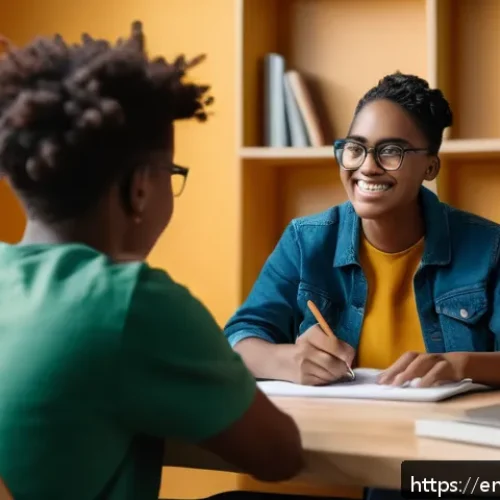
청소년지도사와 학교 연계 프로그램 - **Prompt:** A male youth counselor, in his early 40s with a calm and approachable demeanor, is havin...

The constant notifications and curated feeds of social media can contribute to anxiety and FOMO (Fear of Missing Out). Counselors introduce techniques like mindfulness and stress reduction exercises that help students ground themselves and manage these digital pressures. I’ve seen kids learn to step away from their phones, practice deep breathing, and focus on the present moment, skills that are incredibly important for mental well-being in our hyper-connected world.

A Win-Win Partnership: Benefits for Students, Schools, and Communities

When I reflect on the sheer impact of youth counselors collaborating closely with schools, what truly stands out is that it’s not just the students who benefit. This model creates a profound ripple effect that elevates the entire school environment and even extends into the broader community. Teachers, who are often stretched thin, find immense relief and support when they can rely on a dedicated mental health professional to address their students’ emotional needs. This frees them up to focus on their primary role of education, leading to less burnout and a more vibrant teaching staff. Beyond that, a school where students feel supported and understood tends to have a more positive culture, with fewer disciplinary issues and a greater sense of belonging. I’ve heard countless stories from school administrators about how these partnerships have transformed their campuses into more empathetic and inclusive spaces. And when students are thriving emotionally and socially, they are more likely to stay in school, succeed academically, and become productive, engaged members of their communities. It’s a holistic investment that truly pays dividends for everyone involved, creating a healthier, more supportive ecosystem for our future generations. It’s truly inspiring to witness this synergy in action!

Reduced Teacher Burnout: Spreading the Load

Teachers are frontline responders to student distress, but they are not trained therapists. When youth counselors are integrated, teachers have a reliable resource to refer students to and can consult with. This significantly reduces the emotional burden on teachers, allowing them to focus on their pedagogical responsibilities. I’ve spoken with many teachers who express immense gratitude for having this professional support system in place.

Stronger School Culture: A Positive Ripple Effect

A school that prioritizes mental health and well-being fosters a more empathetic and supportive environment. When students see their peers receiving help and feel comfortable seeking it themselves, the stigma around mental health diminishes. This leads to a more inclusive school culture where students feel a greater sense of belonging and community. I’ve observed how these collaborations contribute to a noticeably more positive and constructive atmosphere on campus.

Advertisement

Making it Happen: Practical Steps for Successful Integration

Now, I know what some of you might be thinking: this all sounds amazing, but how do we actually make it happen? It’s easy to talk about ideal collaborations, but implementing them effectively takes intentional effort, resources, and a genuine commitment from all parties involved. Based on what I’ve seen in successful programs across different districts, the key lies in clear communication, shared goals, and a flexible approach to problem-solving. It’s not a one-size-fits-all solution, and what works in one school might need tweaking for another. I’ve learned that it often starts with securing dedicated funding, whether through grants, state initiatives, or reallocating existing budgets. Then comes the crucial step of establishing strong lines of communication between counselors, teachers, and administrators. Regular meetings, joint training sessions, and shared data (while always respecting privacy) are all essential for building a truly integrated team. I also believe in the power of professional development, ensuring both school staff and counselors are equipped with the latest best practices in youth mental health. It’s a journey, not a destination, but with consistent effort and a shared vision, these powerful partnerships can absolutely flourish and truly change lives.

Funding and Resources: Creative Solutions

Securing funding is often the first hurdle, but many schools and districts are finding innovative ways to make these partnerships a reality. This can include applying for federal or state grants specifically for mental health services in schools, partnering with local community organizations, or even engaging parent-teacher associations for fundraising initiatives. I’ve seen communities come together to champion these programs, understanding their profound value.

Training and Development: Equipping Our Professionals

For these collaborations to be truly effective, continuous professional development is vital. This means ensuring youth counselors are up-to-date on the latest therapeutic techniques and mental health research, and that school staff receive training on how to identify student needs and effectively collaborate with counselors. Joint training sessions can be particularly powerful, fostering a shared understanding and language between all parties involved in student support.

My Personal Take: Witnessing the Impact Firsthand

Honestly, as someone who cares deeply about the well-being of young people, seeing these collaborations between youth counselors and schools unfold has been one of the most encouraging trends I’ve witnessed in years. It’s not just a theoretical concept; it’s a living, breathing reality in schools that are committed to nurturing their students beyond the academic realm. I’ve had the privilege of speaking with countless students who, thanks to these programs, found the courage to open up about their struggles, developed incredible coping mechanisms, and ultimately thrived in ways they might not have otherwise. I’ve also seen the relief on teachers’ faces when they know there’s a professional ally on campus ready to support their students. There’s a tangible difference in the atmosphere of schools that truly embrace this integrated model – a palpable sense of care, understanding, and proactive support. It makes me incredibly optimistic for the future of education and the future of our kids. This isn’t just about adding another person to the school payroll; it’s about fundamentally changing the way we approach youth development, making it more comprehensive, more empathetic, and ultimately, more effective. It’s a movement I genuinely believe in, and I encourage every school community to explore its potential.

Seeing the Transformation: Stories from the Front Lines

I’ve heard stories of students overcoming severe anxiety to participate in class, navigating complex family situations with newfound resilience, and discovering their passions through career guidance. These aren’t just statistics; they’re real young people whose lives have been profoundly improved by having a dedicated counselor accessible within their school. These individual transformations are the most compelling evidence of the power of these partnerships.

Why I Believe in This Model: A Call to Action

My belief in the integrated youth counselor and school model stems from years of observation and countless positive interactions. It addresses a critical need in our modern educational landscape, providing comprehensive support that truly prepares students for life. I believe it’s a framework that every school should strive to implement, as it creates a more nurturing, resilient, and ultimately successful environment for all young people. It’s an investment in our collective future.

Aspect of Support Traditional School Support (Pre-Counselor Integration) Integrated Youth Counselor & School Support
Focus Primarily academic achievement; reactive to behavioral issues. Holistic development (academic, emotional, social); proactive and preventative.
Mental Health Care Limited, often external referrals with potential delays; stigma prevalent. On-campus, accessible, de-stigmatized; early intervention and direct support.
Resource Accessibility Reliance on external community services; often fragmented. Integrated services within the school environment; seamless referrals.
Teacher Role Responsible for classroom management and often emotional support; high burden. Focus on teaching; collaborates with counselors for student well-being; reduced burden.
Student Empowerment Less emphasis on emotional intelligence and life skills development. Active teaching of coping mechanisms, communication, and resilience.
Overall School Climate Can be stressful due to unmet student needs. More supportive, empathetic, and inclusive; improved student engagement.

This table illustrates the profound shift and tangible benefits that arise when schools and youth counselors truly work together. It’s a move from simply teaching subjects to genuinely nurturing human beings.

Advertisement

Bringing It All Together

As we’ve explored the incredible impact of integrating youth counselors into our schools, I hope you’re feeling as inspired as I am about the future of student well-being. It’s truly a game-changer, moving beyond mere academics to nurture the whole child. From my perspective, this collaborative approach isn’t just a trend; it’s an essential evolution in education, equipping our kids with the resilience and emotional intelligence they need to thrive in a complex world. It’s about creating a compassionate ecosystem where every student feels seen, heard, and supported, and that, my friends, is a vision worth fighting for.

Handy Tips You’ll Want to Bookmark

Here are a few quick thoughts and practical insights I’ve gathered from my experiences and conversations, things that I genuinely believe can make a real difference in fostering a more supportive environment for our young people.

1. Open Communication is Key: As parents and educators, let’s make a conscious effort to regularly check in with our kids, not just about their grades, but about how they’re *feeling*. Create an atmosphere where they feel safe discussing their anxieties or triumphs without judgment. Sometimes, just knowing there’s an open door is enough to empower them to seek help when they truly need it.

2. Advocate for Integrated Support: If your child’s school doesn’t yet have a robust, integrated youth counseling program, become an advocate! Speak to administrators, join parent-teacher associations, and share information about the immense benefits we’ve discussed. Collective voices are powerful, and showing a unified demand for these services can really move the needle.

3. Model Healthy Coping: Kids learn so much from observing us. When we openly discuss our own strategies for managing stress, practicing self-care, or seeking support when needed, we normalize these behaviors for them. It shows them that it’s okay not to be okay sometimes, and that asking for help is a sign of strength, not weakness.

4. Embrace Digital Wellness Conversations: The online world is here to stay, so let’s proactively engage in conversations about digital citizenship, the impact of social media, and healthy screen time habits. Don’t shy away from these topics; instead, provide guidance and resources, making sure they understand the nuances of navigating the digital landscape safely and mindfully.

5. Support School Funding for Mental Health: Look into ways to support initiatives that fund mental health professionals and programs in schools. Whether it’s through local elections, community fundraisers, or simply spreading awareness, every bit helps. Investing in youth mental health isn’t just a school issue; it’s an investment in the entire community’s future well-being and prosperity.

Advertisement

Key Takeaways to Remember

Reflecting on our conversation, there are a few core ideas that I truly hope resonate with you and inspire action. First and foremost, embracing a holistic approach to student well-being, one that values emotional and social development as much as academic achievement, is absolutely non-negotiable in today’s world. I’ve personally seen how this comprehensive support system, especially through dedicated youth counselors, transforms lives, equipping students with essential life skills that go far beyond textbooks.

Secondly, the power of collaboration between counselors, teachers, and administrators cannot be overstated. This synergy creates a robust safety net, ensuring early intervention and a more effective response to student needs. It’s a win-win, reducing teacher burnout and fostering a more empathetic school culture. Finally, I genuinely believe that proactive care, focusing on preventative measures and resilience-building, is far more effective than reactive crisis management. By empowering our youth with these tools early on, we’re not just fixing problems; we’re building a stronger, more confident generation ready to face tomorrow’s challenges head-on. It’s an investment in their future, and ours.

Frequently Asked Questions (FAQ) 📖

Q: What exactly do these collaborations between youth counselors and schools look like, and why are they becoming such a game-changer for our students today?

A: From what I’ve personally seen, these aren’t just one-off meetings or quick chats. We’re talking about deep, integrated partnerships where school staff and youth counselors genuinely become a team.
Often, a dedicated counselor might be on campus regularly, becoming a familiar, trusted face. They’re not just there for crisis intervention, though that’s crucial.
They’re proactively running workshops on everything from managing social media anxiety to building healthy friendships, or even offering one-on-one mentorship for students navigating tough times at home or school.
I’ve witnessed how invaluable this consistent presence is. It creates a safe space, a true safety net, that goes far beyond what a busy teacher or principal can realistically offer alone.
In today’s fast-paced world, our kids are dealing with so much pressure – academic expectations, digital peer dynamics, global anxieties – and these collaborations provide that essential, holistic support system they desperately need to thrive, not just survive.
It’s about building resilience from the ground up, and honestly, it’s a breath of fresh air for everyone involved.

Q: How do these integrated programs actually make a tangible difference in a student’s mental health, social development, and overall readiness for the future?

A: This is where the magic truly happens, and it’s why I’m such a strong advocate! When schools and counselors work hand-in-hand, they create an environment where students feel seen, heard, and supported.
For mental health, I’ve observed a significant reduction in stress and anxiety among students who have access to these resources. Counselors can identify issues early, offer coping strategies, and even connect families to more specialized help if needed.
It’s about prevention as much as intervention. Socially, I’ve seen kids learn invaluable skills: effective communication, conflict resolution, empathy, and how to navigate peer pressure with confidence.
These aren’t just textbook lessons; they’re practical tools that counselors help students practice in real-life school scenarios. I once saw a shy student, after a few sessions with the school’s partner counselor, bravely present a project she was terrified of.
That’s true growth! All of this contributes to their readiness for the future. They’re not just learning math and science; they’re developing emotional intelligence, problem-solving abilities, and a strong sense of self-worth – all critical ingredients for success in college, career, and life itself.

Q: What are some real-world examples of successful collaboration initiatives, and what makes them so effective in supporting students?

A: Oh, I’ve got so many examples! One of my favorites is a program where counselors co-teach “Life Skills” classes with health teachers. Instead of just lecturing, they facilitate discussions on topics like digital citizenship, mindfulness, and even financial literacy.
The kids absolutely engage because it feels relevant and practical. Another fantastic initiative I’ve seen involves “lunch bunch” groups led by counselors, focusing on specific themes like navigating friendships or managing study stress.
It’s a low-pressure way for students to connect and get support. What makes these effective, in my humble opinion, boils down to a few key elements. First, it’s about accessibility – putting support directly where students are.
Second, it’s about proactive engagement – reaching out before a crisis hits. Third, and perhaps most importantly, it’s about building genuine relationships.
When students feel a counselor truly cares and understands their world, they’re more likely to open up and utilize the resources. I’ve personally heard countless stories from students saying, “I don’t know what I would have done without them.” That trust, that genuine connection, is what truly transforms these collaborations into powerful forces for good in our schools.