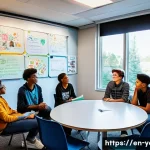
You know that feeling when you just *know* you’re making a real difference? That surge of energy you get from seeing young people step up and shine? As someone who’s spent years working alongside incredible youth, I can tell you there’s nothing quite like it.
Being a youth leader volunteer isn’t just about giving your time; it’s about igniting potential, shaping futures, and building stronger communities from the ground up.
In today’s fast-paced world, where Gen Z and Gen Alpha are more eager than ever to create meaningful impact and connect with causes they truly believe in, the landscape of volunteering is evolving right before our eyes.
We’re seeing a huge shift towards opportunities that genuinely resonate with young people’s values – think environmental initiatives, education, and direct community upliftment, often with a flexible or even virtual twist.
From my own experience, I’ve witnessed firsthand how these roles don’t just benefit the community, but also equip young volunteers with invaluable leadership skills, sharp critical thinking, and a profound sense of empathy that prepares them for absolutely anything life throws their way.
It’s a beautiful cycle: they give, they grow, and they inspire countless others to join in, creating a powerful ripple effect that strengthens our entire social fabric.
You might be wondering how to find those perfect opportunities or what it truly takes to make a lasting impression. Well, you’re in the right place! Let’s find out exactly how to make your youth leadership volunteer journey truly impactful.
Finding Your Tribe: Unearthing the Perfect Youth Leadership Roles
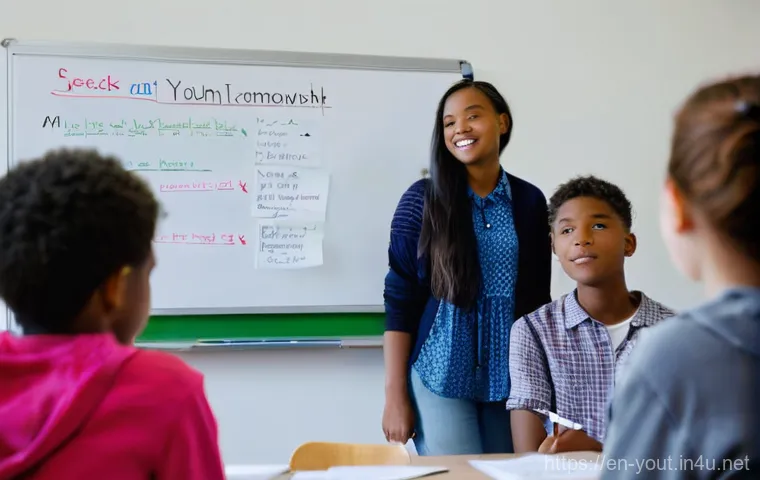
You know that feeling when you’re searching for something, anything, that truly resonates with you? It’s like scrolling endlessly online, hoping that one perfect opportunity will just *pop* out. For young people, especially Gen Z and Gen Alpha, finding the right youth leadership volunteer role isn’t just about ticking a box; it’s about discovering a cause that genuinely ignites their passion and allows them to make a tangible impact. It’s about connecting with something larger than themselves. From my years of experience guiding young folks, I’ve seen firsthand how a well-matched opportunity can transform a hesitant individual into a confident, passionate advocate. Today’s youth aren’t just looking for busywork; they want to contribute to environmental initiatives, education, mental health awareness, and direct community upliftment. They’re seeking roles that offer flexibility, sometimes even a virtual component, and genuinely align with their values. Think about what truly stirs your soul – is it helping animals, tackling climate change, or empowering younger kids? The perfect role is out there waiting for you, often in places you might not expect!
Exploring Diverse Avenues for Impact
When it comes to finding these opportunities, it’s really about casting a wide net and seeing what catches your eye. We’re talking beyond the usual suspects here, though established organizations like the American Red Cross and 4-H always have fantastic programs. Have you ever considered reaching out to local animal shelters, community centers, or even your town’s recreation department? Many of these places are actively seeking young, enthusiastic leaders. I’ve heard countless stories of young volunteers who started by just asking their local library if they needed help, only to find themselves organizing entire summer reading programs! The key is to think locally and think passionately. What problems do you see in your immediate community? Chances are, there’s an organization or a group of people already working on it, and they’d be thrilled to have your energy and fresh perspective. Don’t be afraid to step forward and inquire. It could lead to something truly amazing, something that not only benefits others but also lights up your own world. It’s about being proactive and remembering that sometimes the most impactful opportunities are the ones you seek out yourself.
The Power of Digital and Flexible Volunteering
Let’s be real, for Gen Z and Gen Alpha, the digital world is home. And guess what? Volunteering is increasingly moving there too! Organizations are recognizing that offering digital-first, flexible opportunities is key to engaging younger generations. We’re talking micro-volunteering, remote tasks, and skill-based projects that fit perfectly around school, part-time jobs, or those crucial side hustles. Imagine using your awesome TikTok skills to create awareness campaigns for a local charity, or leveraging your graphic design talent for a non-profit’s social media. These flexible roles allow you to make a significant difference without the rigid time commitments that can often deter busy young people. I’ve seen this personally – a young person who thought they couldn’t volunteer because of their hectic schedule found a remote project that perfectly utilized their video editing skills, and they absolutely loved it, feeling more connected and impactful than ever. It’s about finding those innovative ways to contribute that genuinely work for your lifestyle, proving that impact knows no bounds, virtual or otherwise.
More Than Just a Title: What Truly Makes a Youth Leader Stand Out
Becoming a youth leader isn’t just about having “leader” in your title; it’s about embodying a set of qualities that truly inspire and empower others. When I look back at the young leaders who have left the biggest impression on me, it wasn’t their resume that stood out first, but their genuine enthusiasm and the way they carried themselves. These are the individuals who aren’t afraid to roll up their sleeves, connect with people on a human level, and embrace challenges with a positive attitude. They understand that leadership isn’t always about being in charge, but often about serving alongside, listening intently, and fostering a sense of belonging for everyone involved. It’s about building a reputation for reliability, kindness, and a proactive spirit. In my own journey, I’ve learned that the most effective leaders are those who truly care about the people they’re leading, not just the task at hand. It’s a deep-seated belief in the potential of others that truly elevates a leader from good to great.
Cultivating Essential Skills for Lifelong Leadership
So, what are those magical ingredients that help youth leaders truly shine? Well, it’s a mix of things, many of which you naturally develop just by stepping up. Communication, for instance, is absolutely huge. Whether you’re articulating your ideas to a group, listening actively to feedback, or adapting your message for different audiences, strong communication is the bedrock of effective leadership. Then there’s teamwork – because let’s face it, very few great things are accomplished alone. Learning to collaborate, share responsibilities, and appreciate diverse contributions is invaluable. I’ve witnessed shy young people transform into confident public speakers and masterful problem-solvers simply by being given the space to lead and learn. These aren’t just “soft skills” either; they’re truly practical life skills that prepare you for anything life throws your way, from college to career and beyond.
Beyond the Obvious: Unseen Qualities that Elevate
While skills like communication and teamwork are crucial, there are also those less obvious, yet incredibly powerful, qualities that truly make a youth leader exceptional. Empathy, for one, is a game-changer. The ability to understand and share the feelings of others, to appreciate diverse perspectives, builds stronger relationships and fosters a more inclusive environment. I’ve seen youth leaders navigate tricky situations with grace simply because they took the time to truly listen and understand where everyone was coming from. Resilience is another massive one. Volunteering, like life, will throw curveballs. Learning to face challenges head-on, bounce back from setbacks, and persevere teaches an incredible amount of grit and determination. Creativity and initiative are also invaluable; thinking outside the box to find innovative solutions and taking charge when something needs to get done can really set a leader apart. These are the qualities that aren’t taught in a textbook but are forged in the fires of real-world experience, leaving a lasting mark on both the leader and those they serve.
Building Bridges, Not Walls: The Art of Effective Communication and Mentorship
Effective communication is the lifeblood of any successful team, especially in youth leadership. It’s more than just talking; it’s about truly connecting, making sure everyone feels heard, understood, and valued. I’ve been in so many situations where a simple misunderstanding could derail an entire project, and it’s always been clear communication that brought us back on track. For youth leaders, this means being able to articulate your vision clearly, but also being an active, empathetic listener. You’re not just giving instructions; you’re opening up a dialogue, encouraging ideas, and fostering an environment where everyone feels comfortable sharing. This creates a powerful sense of unity, turning a group of individuals into a cohesive, unstoppable force. It’s about building bridges between different personalities and perspectives, ensuring that no one feels left out or unheard.
Mentoring Moments: Guiding the Next Generation
One of the most rewarding aspects of being a youth leader, in my humble opinion, is the chance to mentor others. It’s not about having all the answers, but about sharing your experiences, offering guidance, and helping younger volunteers discover their own strengths. Think of it as passing the torch, or perhaps more accurately, lighting many new torches. I’ve had the privilege of seeing young people I mentored go on to achieve incredible things, and that ripple effect is truly something special. Mentoring involves active listening, providing constructive feedback, and empowering others to take initiative. It’s about recognizing potential even when they don’t see it themselves and giving them the gentle nudge or the firm support they need to step into their own greatness. These relationships often become lifelong, built on trust and mutual respect, and the impact extends far beyond the immediate volunteer project.
Fostering a Culture of Openness and Feedback
A truly effective youth leader cultivates an environment where feedback isn’t just tolerated, it’s *embraced*. This means encouraging open dialogue, where team members feel safe to share their thoughts, suggest improvements, and even voice concerns without fear of judgment. I’ve found that the best ideas often come from the most unexpected places, usually when everyone feels genuinely invited to contribute. This also means being prepared to receive feedback yourself, which, let’s be honest, can sometimes be tough! But it’s through this process of honest reflection and continuous improvement that both individuals and the team as a whole truly grow. Establishing clear communication channels – whether it’s through regular check-ins, group chats, or dedicated brainstorming sessions – ensures that everyone stays on the same page and feels connected. It’s about creating a living, breathing team where everyone’s voice contributes to the collective success.
Navigating Challenges: Turning Obstacles into Opportunities for Growth
Let’s be real for a moment: youth leadership volunteering isn’t always smooth sailing. There will be days when things don’t go according to plan, when you face unexpected hurdles, or when the sheer scale of a problem feels overwhelming. I’ve definitely had my share of those “what am I doing here?” moments. But what truly defines a leader isn’t the absence of challenges, but how they respond to them. It’s in these moments of adversity that true resilience is forged, and where innovative solutions often emerge. Learning to pivot, to think on your feet, and to rally your team when spirits are low are invaluable skills that you simply can’t learn from a textbook. It’s about viewing every obstacle not as a roadblock, but as a puzzle waiting to be solved, or an opportunity to learn something new about yourself and your capabilities.
Problem-Solving in Action: Real-World Scenarios
From organizing a community event where the venue suddenly falls through to managing a project with conflicting schedules, real-world problems are abundant in volunteering. I remember once, a few years back, we were planning a big outdoor clean-up, and a huge storm hit the day before. Everything felt like it was crumbling! But instead of canceling, we pivoted. We quickly reorganized into indoor sorting and supply-gathering teams, and the energy was still incredible. It taught everyone that flexibility and quick thinking are just as important as the initial plan. These experiences, though stressful at the time, are what build critical thinking and problem-solving skills that translate directly into academic and professional success. You learn to analyze situations, make decisions under pressure, and reflect on outcomes, becoming a more capable and confident leader with each challenge overcome.
Building Resilience and Emotional Intelligence
Beyond the practical problem-solving, facing challenges in a volunteer setting also deeply nurtures your emotional intelligence and resilience. When you’re working with diverse groups and tackling complex community issues, you inevitably encounter a range of emotions – your own and those of others. Learning to manage stress, to empathize with different perspectives, and to motivate a team through difficult times is incredibly powerful. I’ve seen young volunteers develop an amazing capacity for patience and understanding, becoming pillars of strength for their peers. These aren’t just “soft skills” for volunteering; they are fundamental life skills that build character and equip you to navigate the complexities of adulthood with a much stronger sense of self and purpose. It’s like building a muscle – the more you push through those tough moments, the stronger you become.
The Ripple Effect: How Your Actions Inspire a Generation
Have you ever tossed a pebble into a still pond and watched the circles spread wider and wider? That’s what youth leadership volunteering feels like. Your actions, no matter how small they might seem at the moment, create a ripple effect that touches countless lives. It’s not just about the direct impact you make on a specific project; it’s about the inspiration you spark in others, the example you set for your peers, and the positive influence you have on your community as a whole. I’ve witnessed this magic countless times: one passionate young leader can ignite a fire in an entire group, leading to unforeseen levels of engagement and commitment. It’s truly humbling to see how a single act of service can multiply, fostering a culture of giving back that spreads far beyond what you could have imagined.
Inspiring Peers and Younger Generations
When young people see their peers stepping up and making a difference, it’s incredibly powerful. It normalizes volunteering and shows others that they too can contribute, regardless of their age or experience. I’ve often heard younger kids look up to teen volunteers with such admiration, seeing them as role models who are actively shaping their world. This peer-to-peer inspiration is a driving force, encouraging more young people to get involved and discover their own capacity for leadership. It’s not about being perfect; it’s about being authentic, showing up, and demonstrating a genuine commitment to a cause. When you share your experiences, your struggles, and your triumphs, you empower others to start their own journey, creating a continuous cycle of positive change and community engagement. You’re not just doing good; you’re *showing* others how to do good.
Community-Wide Impact and Social Change
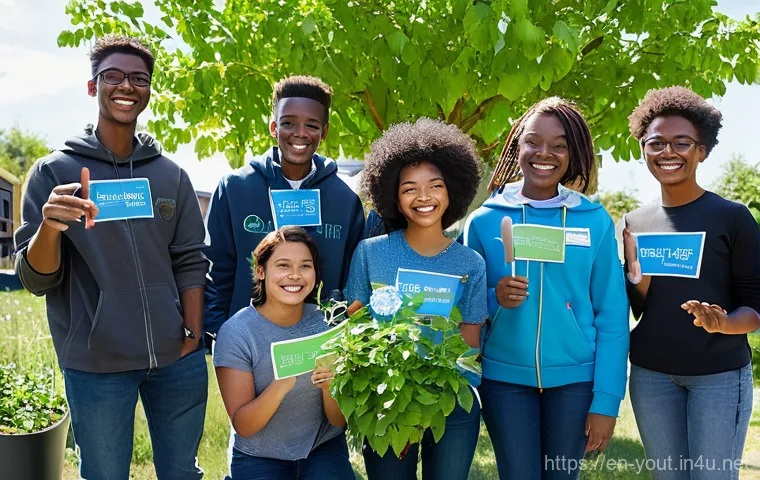
Beyond individual inspiration, the collective efforts of youth leaders contribute significantly to broader community-wide impact and social change. From environmental clean-ups to advocacy for social justice, young volunteers are at the forefront of tackling some of the most pressing issues of our time. Their fresh perspectives and boundless energy often bring innovative solutions to longstanding problems. Think about how a youth-led initiative to address food insecurity can gather enough donations to feed hundreds of families, or how a campaign for mental health awareness can break down stigmas in schools. These actions don’t just solve immediate problems; they foster civic engagement, raise social awareness, and push for a more just and equitable world. It’s a testament to the idea that age is just a number when it comes to making a profound difference in the world.
Measuring Impact: Beyond the Volunteer Hours
When we talk about volunteering, it’s so easy to focus on the numbers: how many hours did you put in? How many events did you attend? And while those metrics are certainly important, I’ve learned that the true measure of impact goes far deeper. It’s about the quality of the interactions, the genuine connections formed, and the lasting positive changes that ripple through the lives of individuals and the community. As someone who has spent years in this space, I can tell you that a few deeply meaningful hours can sometimes achieve more than a hundred hours of surface-level engagement. It’s about looking at the transformation – in the community, in the people you serve, and most importantly, in yourself. The numbers tell a story, but the human stories are where the real impact lies.
Qualitative Measures of Success
So, how do we really measure this “deeper” impact? It’s not always about cold hard data; sometimes it’s about the stories, the smiles, and the palpable sense of change. Did you see a shy child open up because of your mentorship? Did a community member express gratitude for your efforts? Did your team bond in a way that fostered a lasting sense of camaraderie? These are the qualitative markers of success that truly fuel the soul of a volunteer. Organizations are increasingly recognizing the importance of capturing these human stories through testimonials, photos, and personal reflections. I always encourage young leaders to keep a journal of their experiences – not just what they did, but how it felt, what they learned, and the small moments of connection that made a difference. Those anecdotes become powerful reminders of the true value of their contributions, far beyond any spreadsheet.
Reflecting on Personal Growth and Community Transformation
One of the most profound ways to measure impact is by reflecting on your own personal growth. How have you changed since you started volunteering? Are you more confident, a better communicator, or more empathetic? These internal shifts are monumental, equipping you with skills and self-awareness that will serve you throughout your life. Furthermore, look at the tangible changes in the community you served. Did your project create a safer park, provide much-needed resources, or raise critical awareness? These transformations, big or small, are direct results of your dedication. It’s about connecting the dots between your effort and the positive outcomes, both for yourself and for those around you. This holistic view of impact empowers youth leaders to truly appreciate the breadth and depth of their contributions, fostering a profound sense of accomplishment and encouraging continued engagement.
Future-Proofing Yourself: Skills You’ll Gain for Life
Here’s something really exciting to consider: youth leadership volunteering isn’t just about helping others (which is amazing, by the way!); it’s also a powerful investment in *you*. The skills you pick up and refine in these roles aren’t just for today’s projects; they are truly future-proofing assets that will serve you incredibly well in school, in your career, and in life generally. I’ve watched countless young people enter volunteer programs feeling a bit uncertain, only to emerge months later with a newfound confidence and a toolkit of abilities that put them lightyears ahead. From navigating complex group dynamics to public speaking, these experiences sculpt you into a more capable, adaptable, and impressive individual. It’s like getting a head start on adulting, but in the most supportive and meaningful way possible.
Developing In-Demand Soft and Hard Skills
Think about what employers are constantly looking for: communication, teamwork, problem-solving, critical thinking, initiative, and adaptability. Guess what? You’ll be honing *all* of these as a youth leader volunteer! You’ll learn to articulate your thoughts clearly, collaborate effectively with diverse personalities, and troubleshoot unexpected challenges. Depending on the role, you might even pick up some technical skills, like using new software or organizing data, which are increasingly valuable. I remember a young man who started volunteering at a local community garden, learned incredible project management skills, and then used that experience to land an internship in urban planning. It just goes to show how these hands-on experiences create a robust portfolio of skills that employers absolutely love seeing on a resume or hearing about in an interview.
| Skill Category | Examples Gained from Youth Leadership Volunteering | Real-World Application |
|---|---|---|
| Communication | Public speaking, active listening, conflict resolution, persuasive writing, cross-cultural understanding | Job interviews, team presentations, effective collaboration, personal relationships, advocacy |
| Leadership & Teamwork | Delegation, motivation, mentorship, project management, group facilitation, accountability | Managing school projects, leading sports teams, managing workplace teams, community organizing |
| Problem-Solving & Critical Thinking | Strategic planning, decision-making under pressure, analytical reasoning, adaptability, innovation | Academic challenges, career hurdles, personal dilemmas, entrepreneurial ventures |
| Personal & Professional Growth | Confidence building, empathy, resilience, time management, networking, self-awareness, career exploration | College applications, career advancement, personal well-being, building a professional network |
Building Your Network and Future Opportunities
Beyond the skills, volunteering opens doors to connections that can literally shape your future. You’ll meet like-minded peers who share your passions, experienced mentors who can offer invaluable advice, and community leaders who might just become future references or even job contacts. I’ve seen so many young volunteers get amazing letters of recommendation for college or land their first internships because of the relationships they built while serving. This isn’t just about making friends; it’s about building a robust professional and personal network that supports you throughout your life. These connections provide not only opportunities but also a sense of belonging and community that is so vital for well-being. It’s truly incredible how giving your time can come back to you in such profound and unexpected ways, setting you up for success long after your volunteer assignment ends. You’re not just volunteering; you’re actively crafting your own amazing future.
Crafting a Legacy: Sustaining Your Impact as a Youth Leader
When I think about the truly transformative youth leaders I’ve encountered, it’s not just about what they achieved during their time in a role, but the lasting mark they left behind. It’s about building something that continues to flourish long after you’ve moved on, creating a legacy that inspires future generations of volunteers. This isn’t always easy, and it requires a forward-thinking mindset – anticipating needs, training successors, and institutionalizing positive changes. But let me tell you, there’s a unique kind of satisfaction that comes from knowing your efforts have created a sustainable impact, a framework for continued good. It’s seeing the seeds you’ve planted grow into a thriving garden, benefiting the community for years to come. This commitment to long-term impact is what elevates good leadership to truly great leadership.
Empowering Successors and Mentoring New Leaders
A crucial part of creating a lasting legacy is empowering the next wave of leaders. It’s about identifying potential in younger volunteers, nurturing their skills, and providing them with the opportunities to step up and take charge. As a youth leader, you’re not just completing tasks; you’re actively cultivating new leaders. This often means serving as a mentor, sharing your knowledge, and stepping back to allow others to shine, even if it feels a little challenging to let go. I’ve always found it incredibly rewarding to watch a mentee grow into a confident leader, often bringing fresh ideas and energy that you might not have even considered. Think about establishing clear processes, sharing documentation, and offering practical training sessions to ensure a smooth transition. By investing in your successors, you ensure that the positive momentum you’ve created continues to build, making your impact truly enduring.
Developing Sustainable Projects and Initiatives
For your impact to truly last, the projects and initiatives you lead need to be sustainable. This means thinking beyond the immediate event and considering how to embed changes or programs within the community infrastructure. Are there partnerships you can forge with local organizations to ensure continued support? Can you create resources or guidelines that can be easily replicated by future volunteers? I’ve seen some incredible examples of youth-led initiatives that started small but became integral parts of their communities because of careful planning and a focus on longevity. For instance, a youth group that started a small tutoring program worked with the local library to make it an ongoing, structured after-school offering. These kinds of sustainable contributions ensure that your legacy isn’t just a memory, but a living, breathing part of the community, continuing to make a difference for generations of young people to come.
Wrapping Things Up
Whew, we’ve covered quite a bit, haven’t we? It’s been an incredible journey exploring the myriad ways young people, just like you, can step into powerful leadership roles through volunteering. From unearthing those perfect opportunities that truly speak to your soul, to understanding the profound impact of your actions, and realizing how these experiences sculpt you into an even more remarkable individual, it’s clear that youth leadership is so much more than just a line on a resume. It’s about igniting a passion, building lasting connections, and leaving a truly indelible mark on the world around you. So, take a deep breath, and trust that the perfect opportunity, the one that will make your heart sing, is out there, just waiting for you to find it and make it your own.
Useful Information to Keep in Mind
1. Start Local, Think Global: While global initiatives are inspiring, don’t overlook the incredible opportunities right in your backyard. Check with local schools, community centers, animal shelters, or even your city council. Often, the most impactful work begins with addressing needs in your immediate neighborhood, and these experiences can be incredibly hands-on and rewarding.
2. Polish Your Digital Presence: Many organizations will look at your social media or online profiles. Make sure they reflect a positive, responsible image. If you’re applying for virtual roles, having a strong portfolio (even if it’s just a few personal projects) showcasing your skills in areas like graphic design, video editing, or writing can really make you stand out.
3. Embrace Informational Interviews: Before committing, try reaching out to current or past youth leaders in organizations you’re interested in. Ask them about their experiences, challenges, and what they loved most. This insight can be invaluable for finding the right fit and preparing you for what to expect.
4. Balance is Key: It’s easy to get swept up in the excitement of a new role, but remember to manage your time effectively. Use calendars, set realistic boundaries, and don’t be afraid to communicate your availability. Sustainable volunteering means taking care of yourself first, ensuring you don’t burn out and can continue contributing meaningfully.
5. Document Your Journey: Keep a journal, take photos, or even create a small portfolio of your accomplishments. Not only does this serve as a powerful personal reminder of your impact, but it also provides concrete examples for college applications, scholarship essays, and future job interviews, showcasing the tangible skills and experiences you’ve gained.
Key Takeaways
Ultimately, stepping into a youth leadership role is a profoundly transformative experience, not just for the communities you serve, but for your personal growth as well. It’s about discovering and nurturing your innate abilities in communication, teamwork, and problem-solving, skills that are invaluable in every facet of life. Remember, true leadership isn’t just about a title; it’s about a genuine desire to make a difference, to inspire others, and to consistently show up with empathy and resilience. Your willingness to engage, learn, and grow creates a powerful ripple effect, leaving a lasting legacy that impacts both your generation and those to come. Embrace the challenges, celebrate the small victories, and know that every moment you dedicate to making the world a better place is an investment in a brighter future, for everyone, including yourself.
Frequently Asked Questions (FAQ) 📖
Q: I’m really passionate about making a difference, but with so many causes out there, how do I figure out which youth leadership volunteer opportunity is truly the best fit for me?
A: Oh, I totally get this! It can feel a bit overwhelming, right? Like standing in a candy store and not knowing which amazing treat to pick first.
From my own experience, the absolute best way to find your perfect fit is to start by looking inward. What genuinely sets your soul on fire? Is it the environment, education, helping younger kids, or perhaps advocating for mental health?
Think about the issues you chat about with your friends, the news stories that grab your attention, or even those moments where you wish someone would just do something.
Once you have a general idea, start exploring! Check out local community centers – they often have boards with various volunteer needs. Don’t forget school clubs and organizations; many have strong ties to community projects.
And honestly, a quick online search for “youth volunteer opportunities [your city/region]” can uncover a treasure trove of options. I’ve found that platforms like VolunteerMatch or Idealist are fantastic starting points, letting you filter by cause, age group, and even commitment level.
Chatting with people already involved in causes you care about can also open doors you didn’t even know existed. Remember, it’s not about picking the ‘perfect’ one right away; it’s about finding one that resonates and then diving in.
You might even find that your interests evolve, and that’s perfectly fine!
Q: I’m a bit worried my contributions might not make a real impact. What kind of tangible difference can I actually expect to make as a youth leader volunteer, beyond just showing up?
A: That’s such a common thought, and honestly, it’s a sign that you care deeply about your efforts, which is fantastic! Let me tell you, the impact you can make is huge, often far beyond what you might initially imagine.
I’ve witnessed countless young leaders transform communities in ways that astound me. It’s not just about showing up; it’s about the energy, fresh perspectives, and innovative ideas you bring.
For example, I remember a group of high schoolers who started a peer-tutoring program that completely turned around the academic performance of dozens of middle schoolers in their area.
Their direct mentorship didn’t just boost grades; it built confidence and created a positive ripple effect through entire families. Another time, I saw a young team organize a local park cleanup that mobilized over a hundred volunteers, resulting in a community space that everyone could enjoy safely.
Your voice, your ideas, and your leadership can directly inspire others to act, whether it’s by organizing a fundraiser, advocating for a cause, or simply being a positive role model.
The ‘tangible’ can be a cleaner park, a successful event, or even just one young person feeling heard and supported because of your efforts. Believe me, your impact is anything but small.
Q: Beyond helping others, how does being a youth leadership volunteer actually benefit me? What valuable skills or experiences can I realistically expect to gain that will help me in the long run?
A: This is where it gets really exciting because the benefits you gain are truly priceless and stick with you for a lifetime! Think of youth leadership volunteering as a super-charged personal development bootcamp.
First off, you’ll inevitably hone your leadership skills. You’ll learn to motivate a team, delegate tasks, and even navigate tricky situations with grace – skills that are absolutely gold in any future career or academic path.
Then there’s problem-solving and critical thinking. You’ll be faced with real-world challenges that don’t have textbook answers, forcing you to think on your feet and come up with creative solutions.
My own experience taught me more about adaptability and resourcefulness than any class ever could. And let’s not forget communication – you’ll interact with diverse groups of people, from fellow volunteers to community members and even local officials, learning to articulate your ideas clearly and listen actively.
Plus, the boost to your empathy and social awareness is immense. You’ll gain a deeper understanding of different perspectives and challenges, making you a more compassionate and well-rounded individual.
These aren’t just buzzwords; they’re practical, transferable skills that look fantastic on college applications and résumés, and more importantly, they truly prepare you for success in every aspect of life.