
Hey everyone! I’ve been doing a lot of thinking lately about the incredible, yet incredibly challenging, work our youth guidance counselors do. They’re truly the unsung heroes in our schools, constantly juggling so much to support our kids through thick and thin.
With the mental health crisis affecting so many young people today and the ever-evolving landscape of digital life, it’s clear their roles are more vital, and perhaps more demanding, than ever before.
I’ve often wondered how we can better empower these incredible professionals to truly thrive and make an even bigger impact where it matters most. It’s time we talk about some fresh, forward-thinking ideas to not just lighten their load, but genuinely transform their impact for the next generation.
We’re going to dive deep into some game-changing strategies to boost their effectiveness and elevate their crucial work, so let’s get into it!
Hey everyone! It’s been on my mind for a while now how much our youth guidance counselors do for our kids, often without the recognition they truly deserve.
They’re the real MVPs in our schools, constantly working behind the scenes to help students navigate everything from academic stress to major life challenges.
With the landscape of youth mental health becoming increasingly complex and the digital world adding new layers of pressure, their roles are more crucial than ever.
I’ve been thinking about how we can really uplift these amazing professionals and give them the tools and support they need to make an even bigger splash.
It’s not just about making their jobs easier, but about transforming their impact on the next generation. We’re going to get into some serious game-changing ideas that can genuinely boost their effectiveness and truly elevate the vital work they do.
Let’s dive in!
Streamlining Administrative Tasks for Focused Support

Automating Routine Paperwork
Honestly, if you’ve ever spent time in a school counselor’s office, you know that a huge chunk of their day isn’t always spent directly helping students.
I’ve personally seen how much time gets eaten up by mountains of paperwork, scheduling conflicts, and endless data entry. Imagine the relief if a significant portion of that could be automated!
We’re talking about things like initial intake forms, scheduling parent-teacher conferences, tracking student progress reports, and even generating compliance documents.
There are some fantastic software solutions out there now that leverage AI to handle these mundane, repetitive tasks. Picture a smart system that automatically sends out appointment reminders to students and parents, or one that compiles anonymized data for yearly reports without a counselor having to manually input every single detail.
This isn’t just about making their lives easier; it’s about freeing them up to do what they do best: provide direct, meaningful support to our young people.
When counselors are stuck behind a desk filling out forms, they’re not out there connecting with a student who might desperately need a listening ear.
From my experience, every minute we reclaim from administrative burdens is a minute invested back into student well-being, and that’s a return on investment we absolutely need to prioritize.
Delegating Non-Counseling Duties
It’s a common sight in many schools – counselors wearing multiple hats, often taking on responsibilities that, while important, aren’t part of their core counseling expertise.
I’ve seen them managing lunch duty, substituting for classes, or even coordinating school-wide events that could easily be handled by other administrative staff or dedicated activity coordinators.
This dilution of their role is a real disservice, both to the counselors and to the students who need specialized guidance. My strong belief is that we need to be fiercely protective of a counselor’s time and expertise.
This means clearly defining their roles and empowering other school staff, like administrative assistants, parent volunteers, or even student leadership groups, to take on some of these non-counseling tasks.
For example, a dedicated front office assistant could manage most scheduling and general inquiries, allowing the counselor to focus solely on student consultations, crisis intervention, and program development.
When we delegate effectively, we’re not just lightening a counselor’s load; we’re sharpening their focus and ensuring that their highly specialized skills are being utilized where they can have the most profound impact.
It’s about respecting their professional boundaries and maximizing their unique contribution to the school community.
Harnessing Technology for Enhanced Outreach and Impact
Telecounseling and Virtual Platforms
The pandemic, as challenging as it was, really pushed us to innovate, and one area where I saw tremendous growth was in telecounseling. It’s not just a stop-gap measure; it’s a powerful tool that significantly expands access to mental health support for students.
Think about it: students in rural areas who might not have readily available in-person services, or those who feel more comfortable discussing sensitive topics from the privacy of their home.
I’ve heard countless stories of students who found it easier to open up during a virtual session, feeling less intimidated than in a traditional office setting.
Beyond that, virtual platforms can offer incredible flexibility, allowing counselors to schedule appointments outside of regular school hours, which is a huge benefit for working parents or students with packed schedules.
Of course, there are always challenges like ensuring internet access and maintaining privacy, but the benefits often outweigh these hurdles. Implementing secure, user-friendly telecounseling platforms isn’t just a convenience; it’s a critical step toward ensuring equitable access to vital mental health resources for every student, regardless of their circumstances.
It’s about meeting kids where they are, both physically and emotionally.
Data-Driven Insights for Proactive Intervention
This might sound a bit technical, but bear with me because it’s a game-changer. Imagine if counselors had a clearer, earlier picture of which students might be struggling before a crisis even hits.
That’s the power of data-driven insights. Modern educational technology can gather and analyze anonymized student data – things like attendance records, academic performance trends, disciplinary referrals, and even participation in extracurricular activities.
When this information is thoughtfully aggregated, it can create early warning systems that flag students who might be at risk for academic decline, mental health issues, or disengagement.
I’ve seen firsthand how a counselor, armed with this kind of predictive insight, can reach out proactively, offering support and resources before a small problem spirals into a major one.
It’s not about surveillance; it’s about using ethical data practices to identify patterns and deploy interventions much more efficiently. Of course, student privacy is paramount, and these systems must be implemented with the utmost care and transparency.
But the ability to shift from reactive crisis management to proactive support is incredibly powerful, allowing counselors to be true preventative care providers rather than just responders.
| Technology/Strategy | Counselor Benefit | Student Benefit |
|---|---|---|
| Automated Scheduling Tools | Reduces administrative burden, frees up time | Easier appointment booking, fewer missed sessions |
| Secure Telehealth Platforms | Expands reach, flexible scheduling | Increased access to support, comfort in familiar settings |
| Data Analytics for Early Warning | Proactive identification of at-risk students | Timely interventions, preventative mental health care |
| Digital Resource Libraries | Quick access to support materials, reduces prep time | Curated, accessible resources for self-help |
Investing in Continuous Professional Development
Specialized Training in Youth Mental Health
The world our kids are growing up in is constantly evolving, and so are the challenges they face. From navigating cyberbullying to dealing with anxiety related to global events, the mental health landscape is incredibly dynamic.
This means our counselors need continuous, specialized training to stay on top of the latest research and therapeutic approaches. I personally believe that ongoing education isn’t a luxury; it’s an absolute necessity.
We should be investing heavily in providing opportunities for counselors to get certified in areas like Cognitive Behavioral Therapy (CBT), Dialectical Behavior Therapy (DBT) skills, trauma-informed care, and even specific training related to LGBTQ+ youth support or cultural competency.
I’ve observed that counselors who receive this kind of specialized training feel far more equipped and confident in addressing complex student needs, and honestly, the impact on the students is palpable.
They’re able to offer more targeted, effective interventions, which leads to better outcomes. It’s about empowering them with the cutting-edge tools they need to truly make a difference in the lives of our vulnerable youth.
Peer Mentorship and Collaborative Networks
Being a school counselor can sometimes feel like a solitary endeavor. They’re often the only one in their specific role within a school, and while they collaborate with teachers and administrators, they might not have many opportunities to connect with other counselors facing similar unique challenges.
I’ve always advocated for the power of peer support, and it’s something I think we need to formalize for our counselors. Creating structured peer mentorship programs or robust collaborative networks, perhaps even across different school districts, can be incredibly beneficial.
Imagine a seasoned counselor mentoring a new hire, or a group of counselors regularly meeting to share best practices, discuss difficult cases (anonymously, of course), and brainstorm solutions.
This kind of professional camaraderie not only reduces feelings of isolation and burnout but also fosters a rich environment for learning and growth. I’ve seen how much confidence and fresh perspective a counselor can gain from simply knowing they’re not alone and that there’s a community of professionals who understand their unique struggles and triumphs.
It’s about building a supportive ecosystem where shared wisdom truly elevates everyone.
Cultivating Robust School-Community-Family Connections
Engaging Parents and Guardians Effectively
Let’s be real, a student’s well-being isn’t solely confined to the school walls. Their home life and family dynamics play a massive role, and counselors are often the bridge between these two critical spheres.
However, engaging parents and guardians can be tricky, especially when trust might be low or communication barriers exist. From my perspective, we need innovative strategies to truly bring families into the fold as partners in their child’s support system.
This could mean hosting regular, informal “coffee with the counselor” sessions, offering workshops on topics like navigating adolescent challenges or digital safety, or even creating user-friendly online portals where parents can access resources and communicate securely.
I’ve seen a huge difference when counselors take the initiative to demystify their role, making it clear they’re there as a resource and ally, not just for disciplinary issues.
When parents feel informed, respected, and heard, they are far more likely to collaborate, and that collaborative spirit is absolutely essential for a student’s holistic development and success.
It’s about building genuine relationships and fostering a sense of shared responsibility.
Partnering with Local Organizations
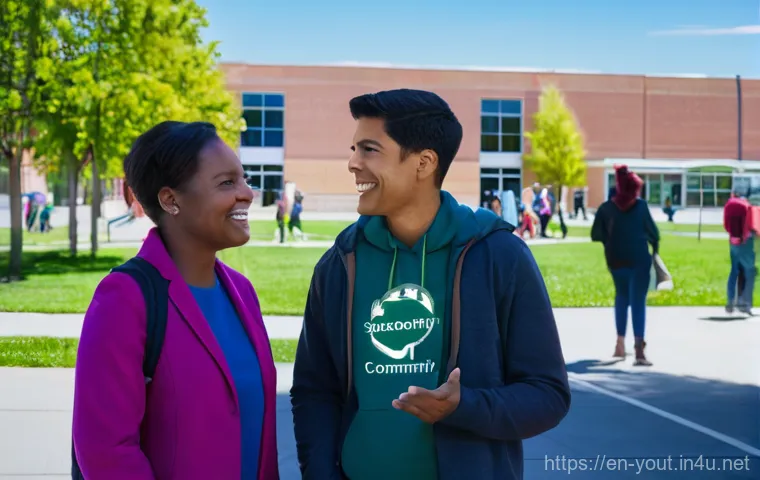
Our schools can’t be everything to everyone, and that’s perfectly okay. What’s crucial is knowing when and how to tap into the incredible resources available within our wider communities.
I’ve always been a huge proponent of strong partnerships between schools and local organizations. Think about it: external mental health clinics can offer specialized therapy that schools might not have the capacity for, local food banks can address food insecurity, youth centers can provide after-school enrichment, and community mentors can offer valuable role models.
Counselors are uniquely positioned to identify student needs and then connect them with these vital external supports. I’ve seen fantastic success stories where counselors have built robust referral networks, ensuring that students and families receive comprehensive care that extends beyond the school day.
This isn’t just about handing off a problem; it’s about expanding the safety net and ensuring that every child has access to the full spectrum of resources they need to thrive.
These partnerships amplify a counselor’s impact, turning a school into a hub that connects students to a rich tapestry of community support.
Prioritizing Counselor Well-being and Support Systems
Mandatory Self-Care and Mental Health Breaks
This might sound a bit radical, but I firmly believe that for our counselors to effectively support students, they first need to be supported themselves.
The emotional toll of their work, dealing with crises, trauma, and constant emotional demands, is immense. It’s not sustainable to expect them to pour from an empty cup.
From my observation, burnout among counselors is a very real and concerning issue. That’s why I advocate for mandatory self-care initiatives and dedicated mental health breaks.
This could look like allocated time during the school day for mindfulness, access to on-site wellness programs, or even “mental health days” specifically designated for counselors to recharge without guilt.
We need to shift the culture from “push through it” to “prioritize your well-being.” When institutions actively promote and facilitate self-care, it sends a powerful message that counselors are valued.
It’s not a perk; it’s a critical investment in their long-term effectiveness and in the overall health of the school environment. A refreshed, resilient counselor is a more effective counselor, and that directly translates into better support for our students.
Access to Supervision and Personal Counseling
Just like any helping professional, counselors benefit immensely from regular supervision and, at times, their own personal counseling. They spend their days listening to and processing the emotional weight of others, and without a safe, confidential space to debrief and process their own experiences, that weight can become unbearable.
I’ve talked to counselors who’ve expressed feeling isolated with the heavy stories they carry. Providing access to clinical supervision, where they can discuss challenging cases and professional dilemmas with an experienced peer or supervisor, is absolutely essential for ethical practice and emotional resilience.
Furthermore, making confidential personal counseling services readily available to counselors demonstrates a genuine commitment to their mental health.
It’s not a sign of weakness; it’s a sign of strength and a professional recognizing the need for their own support system. When counselors feel they have a safe outlet to manage their own stress and emotional burden, they are better equipped to remain empathetic, clear-headed, and effective in their incredibly demanding roles.
Advocating for Sustainable Funding and Resource Allocation
Making the Case for Smaller Caseloads
This is probably one of the most persistent and critical issues in school counseling: the sheer size of counselor caseloads. I mean, how can one person effectively support hundreds, sometimes even a thousand, students?
It’s simply not feasible to provide individualized attention, develop meaningful relationships, or offer proactive interventions when you’re constantly swamped.
From what I’ve seen, high caseloads force counselors into a reactive mode, focusing almost exclusively on crisis management rather than preventative support.
I’m a firm believer that we need to aggressively advocate for reduced caseloads, bringing them closer to the recommended ratios by professional organizations.
This isn’t just a wish list item; it’s backed by research showing a direct correlation between lower caseloads and improved student outcomes in academics, attendance, and behavior.
Making the case for more counseling staff requires demonstrating the tangible value they bring – not just in crisis situations, but in fostering a thriving school environment where every student feels seen and supported.
It’s a long game, but one that’s absolutely vital for the future of student well-being.
Securing Grants for Innovative Programs
While advocating for systemic changes like reduced caseloads is crucial, we can also empower counselors by helping them unlock additional resources through grants.
There are so many amazing foundations and governmental programs out there that are eager to fund innovative initiatives aimed at improving student mental health and well-being.
I’ve seen firsthand how a well-written grant proposal can transform a counselor’s vision into a tangible program – whether it’s setting up a peer mentoring program, implementing a new SEL (Social-Emotional Learning) curriculum, or providing specialized workshops for students.
It’s about equipping counselors with the knowledge and support to identify these funding opportunities and then guide them through the application process.
This could involve offering training on grant writing, providing templates, or even hiring a dedicated grant coordinator for a district. When counselors are able to secure external funding, they’re not just getting money; they’re gaining the freedom to implement creative solutions that directly address their students’ unique needs, pushing beyond the limitations of standard school budgets.
It’s an empowering way to turn passion into practical, impactful action.
Wrapping Things Up
Whew! We’ve covered a lot of ground today, and I genuinely hope this deep dive has given you a fresh perspective on just how vital our youth guidance counselors are. From my end, it’s clear that empowering these incredible professionals isn’t just about making their daily routines smoother; it’s about fundamentally reshaping the support system for our students. Every single idea we’ve explored, from embracing new tech to fostering stronger community ties and even ensuring counselors take care of themselves, all circles back to one crucial goal: giving our kids the best possible chance to thrive. It’s an investment in their future, in the health of our schools, and ultimately, in a more resilient and compassionate society. Let’s champion them with the same dedication they show our youth, every single day.
The journey to truly elevate the role of a school counselor won’t be without its challenges, but believe me, the rewards are immeasurable. When we equip these dedicated individuals with the right tools, reduce their administrative burdens, and acknowledge the emotional weight they carry, we’re not just improving a job description – we’re building a stronger foundation for the next generation. I’ve seen firsthand the profound difference a well-supported counselor can make, the countless lives they touch, and the positive ripples they create throughout our communities. So, let’s keep this conversation going, advocate for the changes needed, and collectively ensure our MVPs get the backing they so rightfully deserve. It’s truly a team effort, and every step we take together makes a world of difference.
Good-to-Know Information
1. Streamlining administrative tasks through automation can free up counselors to focus more on direct student interaction and support, rather than being bogged down by paperwork. This directly impacts their capacity to engage with students when they need it most.
2. Embracing telecounseling and secure virtual platforms significantly expands access to mental health services, especially for students in remote areas or those who prefer the privacy of their home environment. It’s about meeting students where they are, physically and emotionally.
3. Continuous professional development, including specialized training in areas like trauma-informed care or CBT, equips counselors with the most current and effective strategies to address the complex mental health challenges faced by today’s youth. Staying sharp helps them help our kids better.
4. Cultivating robust partnerships with local community organizations allows schools to tap into a wider network of resources, providing students and families with comprehensive support that extends beyond what the school alone can offer. It really takes a village!
5. Prioritizing counselor well-being through mandatory self-care, mental health breaks, and access to supervision and personal counseling is not a luxury; it’s essential for preventing burnout and ensuring they can continue to provide high-quality, empathetic support to students. They need to pour from a full cup.
Key Takeaways
In essence, championing our youth guidance counselors boils down to a multi-faceted approach: ease their workload, empower them with technology and ongoing learning, and deeply connect them to the broader community. It’s about shifting from a reactive stance to a proactive one, allowing them to truly be the preventative mental health professionals our students desperately need. Remember, an investment in our counselors is a direct investment in the mental well-being and future success of every child in our schools. Let’s make sure they have everything they need to continue their invaluable work.
Ultimately, the impact of a well-supported, empowered school counselor reverberates far beyond the school gates, shaping individual lives, fostering positive school cultures, and strengthening entire communities. It’s a shared responsibility to recognize their dedication, provide them with the necessary resources, and advocate for policies that truly reflect the critical nature of their role. By doing so, we’re not just supporting a profession; we’re nurturing the very heart of our educational system and ensuring that every student has a compassionate guide on their journey through life. Let’s make it happen!
Frequently Asked Questions (FAQ) 📖
Q: What are the biggest hurdles our youth guidance counselors are really up against today?
A: Oh gosh, where do I even begin? It’s truly mind-boggling when you look at the sheer weight on our counselors’ shoulders. From what I’ve personally observed and heard, one of the most pressing issues is the absolutely overwhelming caseloads.
It’s not uncommon for a single counselor to be responsible for hundreds, sometimes even a thousand, students! Imagine trying to give personalized, meaningful support to that many young people.
It’s just not sustainable. Then, there’s the ever-growing mental health crisis. Our kids are struggling more than ever with anxiety, depression, and a whole host of other challenges, often exacerbated by the constant pressure of social media and digital life.
Counselors are frequently on the front lines, acting as crisis responders, but often without enough resources or specialized training to truly tackle the depth of these issues.
Plus, they’re constantly navigating a maze of academic planning, college applications, career guidance, and social-emotional development. It’s a relentless balancing act, and I’ve often felt they’re expected to be superheroes without a cape or sidekicks, if you know what I mean.
They’re doing incredible work, but they’re stretched so thin, and it genuinely breaks my heart to see how much they give with so little in return sometimes.
Q: How can we truly empower these amazing professionals and make their incredible work even more impactful?
A: This is the million-dollar question, isn’t it? After talking to so many folks and seeing different approaches, I firmly believe a multi-faceted strategy is key.
First off, we HAVE to reduce those crazy caseloads. This means more funding for more counselors – it’s plain and simple math, really. Beyond that, investing in cutting-edge professional development is crucial.
Think about it: the issues kids face today are constantly evolving, especially with digital citizenship and complex mental health needs. Counselors need ongoing training that’s practical, current, and genuinely equips them with the latest strategies.
I’m talking about workshops on effective CBT techniques, digital detox strategies, and even trauma-informed care. Technology can also be a massive game-changer!
Implementing smart, secure online tools for scheduling, resource sharing, and even anonymous student check-ins could free up so much of their precious time, allowing them to focus on direct student interaction.
And let’s not forget about creating strong support networks for the counselors themselves. Imagine a world where they have dedicated peer groups, mentorship programs, and even regular supervision sessions.
When we support them, they can better support our kids. It’s about giving them the tools, the time, and the community they need to truly shine and, honestly, to just breathe.
Q: What are some concrete strategies counselors can use to better support student mental health in today’s world?
A: This is incredibly close to my heart, as I’ve seen firsthand how a supportive counselor can literally change a student’s trajectory. One thing I’ve always advocated for is proactive, early intervention programs.
Instead of waiting for a crisis, let’s get ahead of it! This could look like school-wide mental wellness campaigns, mindfulness sessions integrated into the school day, or even peer-to-peer support groups facilitated by counselors.
Imagine students feeling comfortable talking about their feelings before they escalate – it’s like building a strong foundation. Another game-changing approach is integrating social-emotional learning (SEL) skills directly into the curriculum, not just as an add-on.
When teachers and counselors work together to teach empathy, self-regulation, and healthy coping mechanisms, it becomes a part of the school’s fabric.
Also, don’t underestimate the power of strong community partnerships. Counselors can leverage local mental health services, non-profits, and even parent support groups to create a wider safety net for students.
And for those crucial parent workshops – making them engaging and accessible, perhaps even online, can help families understand the challenges and support their kids at home.
It’s all about creating a holistic ecosystem where every young person feels seen, heard, and supported, not just when things go wrong, but every single day.