Hey there, amazing readers! Have you ever paused to think about the incredible impact a dedicated mentor can have on a young person’s journey to becoming a global leader?

I’ve personally witnessed how passionate youth instructors are literally shaping the future, equipping our young minds with the essential skills to navigate our increasingly interconnected world.
It’s more than just academics; it’s about instilling cultural intelligence, adaptability, and the kind of empathy that truly drives change. In this ever-evolving landscape, where young people are already making waves as present-day changemakers, their guidance is simply invaluable.
Want to uncover the powerful strategies and inspiring stories behind developing global leadership in youth? Let’s explore this thoroughly and discover how we can all contribute!
Alright, buckle up for some amazing strategies and inspiring stories on developing global leadership in youth!
Fostering Cross-Cultural Communication Skills
In our hyper-connected world, being able to effectively communicate across cultures is an absolute must. It’s not just about speaking another language (though that definitely helps!).
It’s about understanding different communication styles, being aware of cultural nuances, and adapting your message so it resonates with diverse audiences.
One thing I’ve found super effective is incorporating role-playing exercises where young people simulate interactions with individuals from different cultural backgrounds.
This really helps them develop empathy and learn how to navigate potential misunderstandings. Also, encouraging them to learn a second language can open up so many doors and make them more confident in cross-cultural settings.
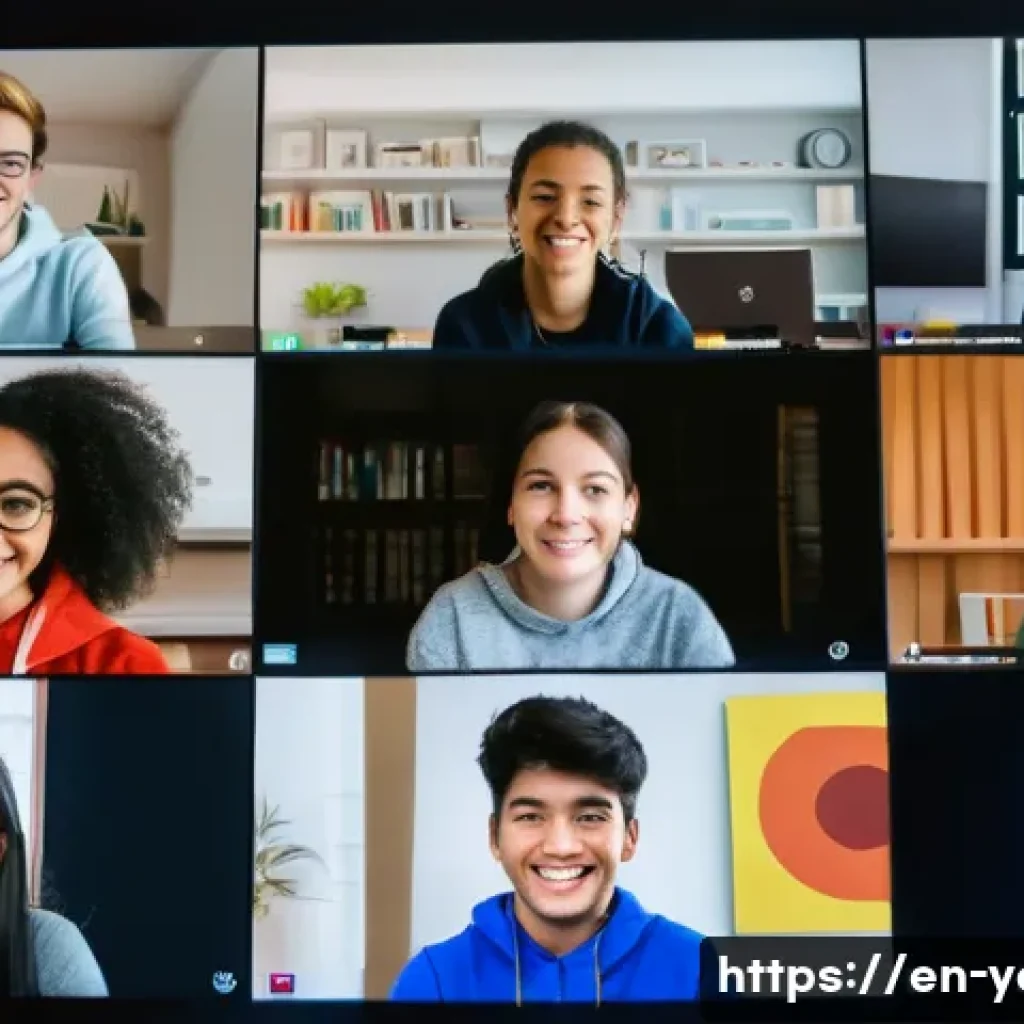
Personally, I’ve seen this skill in action when I was working with a group of students on a virtual exchange program. Initially, there were some hiccups in communication due to different cultural assumptions, but as they practiced active listening and asking clarifying questions, they were able to build strong relationships and collaborate effectively on their projects.
Practical exercises for cross-cultural communication
Think about organizing workshops that focus on active listening, non-verbal communication, and conflict resolution. For example, you could have a session where participants watch videos of cross-cultural interactions and then discuss the communication styles they observed.
Leveraging technology for global connections
Technology can be a powerful tool for fostering cross-cultural communication. Encourage young people to use online platforms to connect with peers from around the world, participate in virtual exchange programs, and collaborate on global projects.
I find that this really expands their horizons and helps them develop a global mindset.
Cultivating Empathy and Global Awareness
Empathy is the cornerstone of global leadership. When young people can truly understand and appreciate the perspectives of others, they’re better equipped to address global challenges and build bridges across cultures.
One of the best ways to cultivate empathy is through immersive experiences, like volunteering in a different country or participating in a cultural exchange program.
When you step outside your comfort zone and witness firsthand the realities of others, it’s impossible not to be moved. Another effective strategy is to incorporate storytelling into your curriculum.
Sharing personal narratives from individuals from diverse backgrounds can help young people connect with others on a human level and develop a deeper understanding of global issues.
I remember one particular project where students interviewed refugees and immigrants in their community and then created multimedia presentations sharing their stories.
It was incredibly powerful and transformative for everyone involved.
The Importance of Global Citizenship Education
Integrating global citizenship education into the curriculum is crucial. This approach focuses on teaching young people about global issues, human rights, and social justice, empowering them to become active and responsible global citizens.
Encouraging critical thinking about global issues
It’s not enough to just learn about global issues. Young people also need to develop critical thinking skills so they can analyze complex problems, evaluate different perspectives, and develop informed opinions.
Facilitating debates and discussions on current global events can be a great way to foster critical thinking.
Promoting Ethical Decision-Making in a Global Context
Global leaders face complex ethical dilemmas every day. That’s why it’s so important to equip young people with the skills to make ethical decisions in a global context.
This involves teaching them about different ethical frameworks, encouraging them to consider the consequences of their actions, and helping them develop a strong moral compass.
One thing I’ve found really helpful is presenting them with real-world case studies of ethical dilemmas faced by global leaders and then asking them to work together to develop solutions.
Also, creating opportunities for them to engage in community service projects can help them connect with their values and understand the impact they can have on the world.
Developing a strong sense of personal values
A strong sense of personal values is essential for ethical decision-making. Encourage young people to reflect on their own values and how they align with ethical principles.
Analyzing ethical dilemmas through case studies
Case studies are a great way to help young people develop their ethical reasoning skills. Choose cases that are relevant to global issues, such as human rights, environmental sustainability, and economic inequality.
Equipping Youth with Problem-Solving Skills for Global Challenges
The world is facing a myriad of complex challenges, from climate change to poverty to social inequality. To tackle these issues, we need young leaders who are equipped with strong problem-solving skills.
This involves teaching them how to analyze problems, generate creative solutions, and implement effective strategies. One of the best ways to develop problem-solving skills is through project-based learning.
Giving young people the opportunity to work on real-world projects that address global challenges allows them to apply their knowledge and skills in a meaningful way.
I also believe in encouraging them to think outside the box and come up with innovative solutions.
Fostering Innovation and Creativity
Innovation and creativity are essential for solving global challenges. Encourage young people to think outside the box and come up with novel solutions.
Providing opportunities for collaborative problem-solving
Global challenges require collaborative solutions. Provide young people with opportunities to work together on projects that address global issues, fostering teamwork and communication skills.
Building Resilience and Adaptability
The world is constantly changing, and global leaders need to be resilient and adaptable to thrive in this dynamic environment. This means being able to bounce back from setbacks, embrace new challenges, and adapt to changing circumstances.
One thing I’ve found really helpful is teaching young people about growth mindset. When they believe that their abilities can be developed through hard work and dedication, they’re more likely to persevere in the face of adversity.
Also, creating opportunities for them to take risks and step outside their comfort zones can help them build resilience and adaptability.
Cultivating a Growth Mindset
A growth mindset is essential for resilience and adaptability. Teach young people that their abilities can be developed through hard work and dedication.
Encouraging risk-taking and embracing failure as a learning opportunity
Taking risks and embracing failure are important for developing resilience and adaptability. Encourage young people to step outside their comfort zones and view failures as opportunities for learning and growth.
Table: Skills for Global Leadership Development
Here’s a table summarizing key skills and strategies for developing global leadership in youth:
| Skill | Description | Strategies |
|---|---|---|
| Cross-Cultural Communication | Effectively communicating with people from different cultural backgrounds. | Role-playing exercises, language learning, virtual exchanges. |
| Empathy and Global Awareness | Understanding and appreciating the perspectives of others and global issues. | Immersive experiences, storytelling, global citizenship education. |
| Ethical Decision-Making | Making ethical decisions in a global context. | Case studies, community service, values clarification. |
| Problem-Solving | Analyzing problems and generating creative solutions. | Project-based learning, innovation challenges. |
| Resilience and Adaptability | Bouncing back from setbacks and adapting to change. | Growth mindset training, risk-taking opportunities. |
Empowering Youth to Become Changemakers
Ultimately, developing global leadership in youth is about empowering them to become changemakers who can make a positive impact on the world. This involves giving them the tools, resources, and opportunities they need to take action on global issues and make a difference in their communities.
One thing I’ve found really inspiring is seeing young people launch their own social enterprises or advocacy campaigns to address issues they care about.
I also believe in connecting them with mentors and role models who can provide guidance and support. When young people see that they have the power to create change, it can be incredibly motivating and transformative.
Providing resources and support for youth-led initiatives
Give young people the resources and support they need to launch their own initiatives and make a difference in their communities. This includes funding, mentorship, and networking opportunities.
Celebrating and showcasing youth achievements
Recognize and celebrate the achievements of young changemakers to inspire others and demonstrate the impact that young people can have on the world.
Encouraging Lifelong Learning and Development
Developing global leadership is not a one-time event, it’s a lifelong journey. That’s why it’s so important to encourage young people to embrace lifelong learning and development.
This means fostering a love of learning, encouraging them to seek out new experiences, and providing them with opportunities to continue growing and developing their skills.
One thing I’ve found really helpful is encouraging young people to set personal and professional goals and then create a plan for achieving them. Also, connecting them with online learning resources and professional development opportunities can help them stay up-to-date on the latest trends and best practices in their field.
Fostering a love of learning
Instill a love of learning in young people by making education engaging, relevant, and fun.
Providing access to ongoing professional development opportunities
Offer ongoing professional development opportunities to help young people continue growing and developing their skills throughout their careers.
글을마치며
Whew, what a journey we’ve taken today! It’s clear that nurturing global leadership in our youth isn’t just a nice idea; it’s an absolute necessity for building a brighter, more interconnected future. If there’s one thing I hope you take away from our chat, it’s that every small step we take to empower young people with cross-cultural skills, empathy, and ethical frameworks makes a massive difference. I’ve personally seen the incredible transformations when young minds are given the tools and encouragement to think bigger than themselves, and honestly, there’s nothing more rewarding. Let’s keep inspiring the next generation to be the amazing changemakers the world so desperately needs!
알아두면 쓸모 있는 정보
1. Getting started with global leadership development doesn’t require a huge budget. Look for free online courses or local community programs that focus on cultural exchange, language learning, or volunteering opportunities. You’d be surprised how many incredible resources are out there if you just start digging a little bit. It’s often about connection more than cash.
2. Encourage young people to explore global news from diverse sources. Moving beyond just one perspective can really broaden their understanding of complex world events and help them develop a more nuanced view. I always tell my younger mentees to check out news from at least three different regions to get a fuller picture of any given story.
3. Virtual exchange programs are a fantastic way to gain cross-cultural experience without leaving home. Many organizations offer free or low-cost online collaborations where students from different countries work together on projects. This mimics real-world global teams and builds invaluable communication skills.
4. Practical experience is key! Encourage participation in school clubs focused on international relations, Model UN, or even starting a local community project that addresses a global issue in a localized way. These hands-on experiences are where the real learning and growth happen, turning theory into impactful action.
5. Don’t forget the power of storytelling. Reading books, watching documentaries, and listening to podcasts from diverse voices and cultures can profoundly impact empathy and global awareness. It’s like traveling the world without needing a passport, opening up new perspectives right from your living room.
중요 사항 정리
So, to bring it all home, remember that fostering global leadership in youth boils down to a few core pillars. We’ve got to equip them with killer cross-cultural communication skills, helping them truly connect beyond borders. Cultivating deep empathy and a solid global awareness is crucial so they understand the bigger picture and everyone’s place within it. Guiding them towards ethical decision-making ensures they act with integrity, no matter the challenge. And, of course, empowering them with top-notch problem-solving abilities and unwavering resilience means they’re ready to tackle anything the world throws their way. It’s about building well-rounded, compassionate, and capable individuals who aren’t just future leaders, but active changemakers right here, right now.
Frequently Asked Questions (FAQ) 📖
Q: What exactly does “global leadership” mean for young people today, and why is it such a big deal?
A: Oh, this is a fantastic question, and one I get asked a lot! From my experience, “global leadership” for young people isn’t about having a fancy title or running a multinational corporation—not yet, anyway!
It’s truly about cultivating a mindset that sees beyond borders, embraces diverse perspectives, and actively seeks to make a positive impact on a global scale.
Think about it: our world is more interconnected than ever, right? What happens in one corner of the globe often ripples everywhere else. So, a young global leader is someone who understands this intricate web, who can communicate effectively across cultures, adapt to new environments, and approach challenges with a deep sense of empathy for people from all walks of life.
I’ve personally seen how this shift in perspective not only opens up incredible opportunities for personal growth but also positions young individuals to be genuinely effective changemakers, whether they’re tackling climate change, advocating for human rights, or innovating in technology.
It’s crucial because the problems we face today are global, and we need leaders who are equipped to solve them collaboratively, without prejudice or narrow-mindedness.
It’s about building bridges, not walls, and that’s a skill set every young person needs in their toolkit now more than ever.
Q: How do passionate youth instructors really go about shaping young people into these global leaders? What’s their secret sauce?
A: That’s where the magic truly happens, isn’t it? I’ve had the privilege of observing some truly incredible youth instructors, and if there’s a “secret sauce,” it’s definitely a blend of intentionality, empathy, and genuine passion.
It’s not just about teaching facts; it’s about experiential learning and creating a safe space for growth. For example, I remember one instructor who organized a virtual exchange program with students in another country.
It wasn’t just a video call; it involved collaborative projects, cultural sharing, and even problem-solving sessions based on real-world issues in both communities.
Through this, the young participants weren’t just learning about another culture; they were living it, experiencing the nuances firsthand, and developing that critical cultural intelligence and adaptability the intro mentioned.
Another amazing strategy I’ve witnessed is the emphasis on mentorship beyond the classroom. Instructors often connect their students with global professionals, allowing them to see what global leadership looks like in action.
It’s about building confidence, fostering critical thinking, and, perhaps most importantly, empowering young people to find their own voice and understand the power of their unique perspective.
They model the very qualities they hope to instill: curiosity, resilience, and a steadfast belief in the potential of every young person.
Q: Beyond traditional academics, what are the absolute must-have skills that truly make a young person a present-day changemaker on the global stage?
A: Okay, so while a solid academic foundation is always a plus, my observations tell me there are several non-negotiable skills that truly propel young people into becoming impactful global changemakers right now.
First up, and this might sound simple but it’s huge: cultural intelligence. It’s more than just knowing about different holidays; it’s the ability to understand, appreciate, and effectively navigate diverse cultural contexts.
I’ve seen kids stumble when they don’t get this, even with the best intentions. Next, adaptability. The world is constantly shifting, often at lightning speed.
Young leaders need to be able to pivot, learn on the fly, and embrace change rather than fear it. Think about how quickly technology evolves; if you’re not adaptable, you’re quickly left behind.
Then there’s empathy, which I truly believe is the bedrock of all effective leadership. It’s the capacity to genuinely understand and share the feelings of another, which drives compassionate action and effective collaboration.
Finally, I’d add resilience and a proactive problem-solving mindset. Changemakers don’t just identify problems; they roll up their sleeves and figure out solutions, even when things get tough.
These aren’t just buzzwords; they’re the tangible tools that I’ve personally watched young people use to create real, measurable differences in their communities and far beyond.
They’re the skills that empower them to not just dream of a better world, but to actively build it.