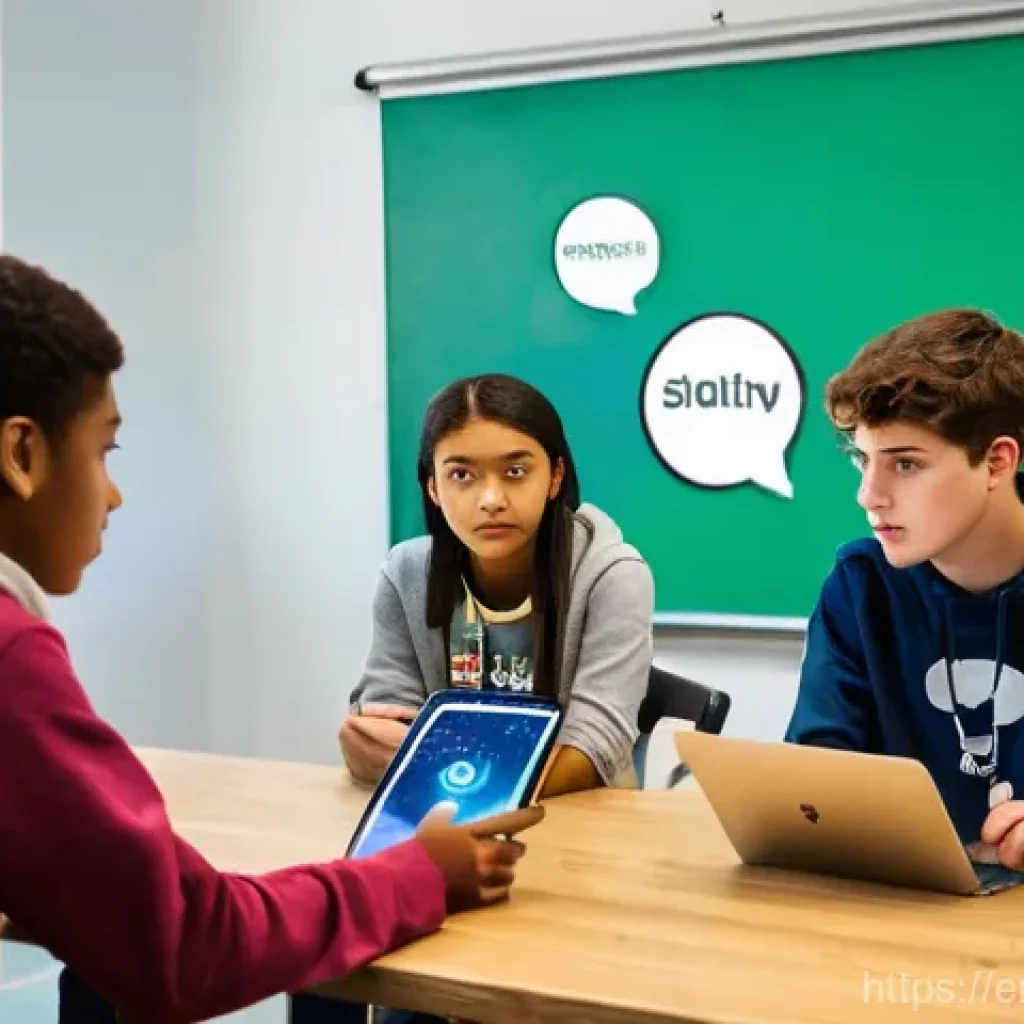
Hey everyone! Let’s be real for a second. Growing up today is a totally different ballgame than it was even a decade ago, right?
Our young people are navigating a world bursting with digital distractions, immense social pressures, and let’s not forget the ever-present question of ‘what’s next?’ for their future.
I’ve personally seen the struggles, the anxieties, and sometimes, the sheer overwhelm that modern teens and young adults face. It truly breaks my heart to see them sometimes feeling lost in a world that moves so fast.
But here’s the silver lining, and it’s something I’m incredibly passionate about: the incredible youth workers and community-led projects that are literally changing lives, one young person at a time.
They’re not just supervising; they’re mentoring, inspiring, and equipping our youth with the tools they need to thrive, not just survive. From fostering critical thinking in a fake-news world to building resilience against cyberbullying, these initiatives are at the forefront of tackling the most pressing issues our kids face.
It’s truly inspiring to witness the dedication and the innovative approaches being developed to empower the next generation. We’re talking about real impact, real solutions, and a future where every young person feels seen, supported, and capable.
Wondering how these amazing heroes do it and what cutting-edge projects are making the biggest waves right now? Trust me, you won’t want to miss out on understanding the true power of dedicated youth support.
I’m excited to share all the nitty-gritty details and uncover exactly how we can build a brighter future for our youth together. Let’s dive in and find out more!
Navigating the Digital Maze: Empowering Young Minds Online
It’s a digital jungle out there, and I’ve personally seen how easy it is for young people to get lost, or worse, hurt. The internet, while a phenomenal tool for connection and learning, also harbors dark corners that can feel incredibly isolating and dangerous for our youth.
From the relentless pressure of social media to the insidious creep of misinformation and cyberbullying, the challenges are immense. What really strikes me is how quickly trends emerge and disappear, leaving parents and even some educators playing catch-up.
I’ve heard countless stories from teens grappling with their online identity, comparing themselves to curated highlight reels, and feeling an overwhelming sense of inadequacy.
It’s truly heartbreaking to witness. This isn’t just about screen time anymore; it’s about equipping them with the critical thinking skills to discern fact from fiction and the emotional resilience to bounce back from online negativity.
We need to teach them how to be digital citizens, not just digital consumers.
Building Digital Literacy and Critical Thinking
One of the most powerful things we can do is empower young people to question what they see and read online. I’ve found that when youth workers engage teens in discussions about media literacy, they start to see the digital world with a new set of eyes.
It’s about dissecting news articles, identifying sponsored content, and understanding the algorithms that shape their feeds. For instance, I remember a workshop where we analyzed viral videos, and the kids were genuinely shocked to see how easily narratives could be manipulated.
They started asking, “Who created this? What’s their agenda?” That’s a huge win in my book. It’s not just about telling them what *not* to do, but teaching them *how* to think critically about the information they encounter daily, fostering a sense of intellectual curiosity and healthy skepticism that serves them well beyond the screen.
Combating Cyberbullying and Promoting Online Safety
Cyberbullying is a beast, and it often hides in plain sight, making it incredibly difficult for adults to detect. But from my experience, creating safe spaces where young people feel comfortable sharing their struggles is paramount.
Community programs that focus on empathy, conflict resolution, and digital etiquette are making a real difference. I’ve witnessed incredible transformations where victims find their voice and bullies start to understand the profound impact of their actions.
It’s about building a culture of kindness online, where young people are empowered to stand up for themselves and others. Resources like reporting tools and anonymous helplines are crucial, but equally important is fostering a peer-support network where kids look out for each other and know they’re not alone in facing these digital battles.
It’s a continuous effort, but every conversation about respect and kindness online pushes us closer to a safer digital environment.
Cultivating Resilience from the Ground Up: The Power of Mentorship
Let’s be honest, life throws curveballs, and sometimes they feel more like fastballs, especially when you’re young and still figuring things out. I’ve personally seen how a consistent, positive influence can literally change the trajectory of a young person’s life.
It’s not always about having all the answers; sometimes, it’s just about having someone who believes in you, someone who listens without judgment, and someone who’s walked a similar path.
The pressures today—academic, social, and future-oriented—can be overwhelming, and I’ve observed firsthand the immense relief and confidence that blossoms when a young person connects with a dedicated mentor.
These relationships provide a stable anchor in what can often feel like a turbulent sea of adolescence, offering guidance, support, and a vital sense of belonging that is so often missing.
It truly warms my heart to see these bonds form and strengthen over time, creating a ripple effect of positive change.
The Art of Meaningful Mentoring Relationships
Building a strong mentoring relationship isn’t a one-size-fits-all formula, but what I’ve consistently found to be effective is authenticity. Young people can spot a fake from a mile away!
It’s about being genuine, sharing your own struggles and triumphs, and showing up consistently. I recall a time when a young mentee, struggling with college applications, spent hours just talking through her fears with her mentor, who simply listened and shared her own anxieties from years past.
That human connection, that shared vulnerability, was far more impactful than any pre-written advice. Good mentors don’t just tell; they ask, they explore, and they empower.
They help young people identify their own strengths and navigate their challenges, allowing them to lead the way while offering a steady hand when needed.
It’s an investment of time and heart that pays dividends for years to come.
Life Skills for a Brighter Future
Beyond emotional support, mentors are often instrumental in equipping youth with practical life skills that aren’t always taught in school. I’m talking about everything from basic financial literacy—how to budget, save, and understand credit—to effective communication and problem-solving.
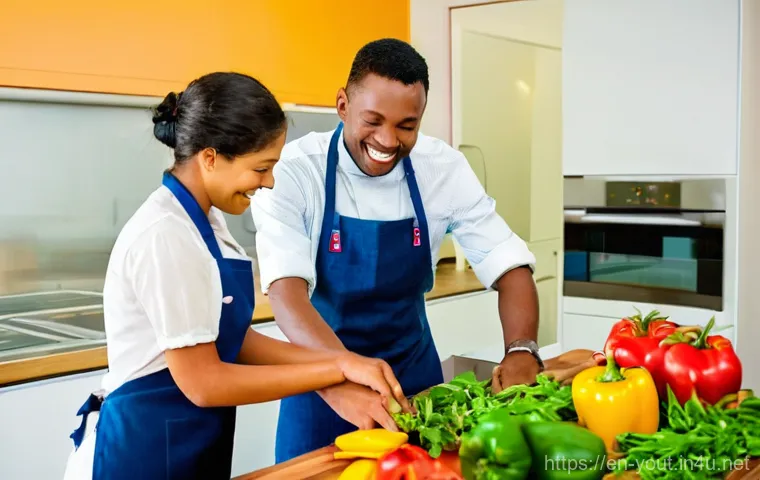
I’ve seen programs where mentors guide teens through mock job interviews, help them write their first resume, or even just teach them how to cook a simple, healthy meal.
These might seem like small things, but for a young person facing independence, they’re monumental. I remember a mentee who, with his mentor’s encouragement, started his own small lawn-mowing business.
He learned about customer service, pricing, and managing his time. That experience, guided by a caring adult, taught him more about responsibility and entrepreneurship than any textbook ever could.
These are the tangible tools that build confidence and pave the way for successful transitions into adulthood.
Beyond the Classroom: The Power of Community-Led Learning Initiatives
The traditional classroom setting is incredible for foundational knowledge, but let’s be real, it can’t cover everything, especially the practical, hands-on skills that many young people crave.
I’ve been so impressed by the sheer ingenuity of community-led learning projects that are filling these gaps, offering exciting and relevant educational experiences outside the conventional system.
These initiatives are often born out of a genuine understanding of local needs and a desire to see young people thrive with skills that are immediately applicable.
What I love most is how they often transform learning into something dynamic and engaging, tapping into interests that might not fit neatly into a school curriculum.
From coding bootcamps to sustainable farming workshops, these projects are proving that learning doesn’t just happen between four walls. They empower youth to explore passions, discover hidden talents, and gain a sense of purpose that traditional education might sometimes overlook.
Innovative Approaches to Skill-Building and Vocational Training
Community-led programs are absolutely revolutionizing how young people acquire practical skills. I’ve personally visited several maker spaces where teens learn everything from 3D printing and robotics to woodworking and graphic design.
These aren’t just hobbies; these are real, marketable skills that open doors to future careers. What’s fantastic is the hands-on nature of it all. Instead of just reading about circuits, kids are building robots.
Instead of just hearing about design principles, they’re creating actual products. I saw a group of high schoolers design and build an entire outdoor seating area for their community center – the pride they felt was palpable!
These programs often partner with local businesses, providing apprenticeships and job shadowing opportunities, which give young people invaluable real-world experience and a clear pathway from learning to earning.
It’s about making education tangible and directly relevant to their future prospects.
Empowering Youth Through Creative and Experiential Learning
Learning isn’t always about textbooks and lectures; sometimes, it’s about getting your hands dirty, literally. Experiential learning, often championed by community projects, puts young people in the driver’s seat of their education.
I’ve seen youth groups transform abandoned lots into community gardens, learning about botany, ecology, and nutrition along the way. I’ve also witnessed incredible drama and art programs where teens explore complex social issues through performance and visual art, developing empathy, communication skills, and self-expression.
These projects don’t just teach facts; they foster a deeper understanding of the world and their place in it. They build confidence, encourage teamwork, and allow young people to see the tangible results of their efforts.
It’s a powerful reminder that education can be an adventure, and that sometimes the most profound lessons are learned outside the classroom.
Fostering Future Leaders: Cultivating Civic Engagement and Social Impact
It’s easy for young people today to feel disconnected from the larger world, with so much noise and so many problems vying for their attention. But I’ve learned, time and again, that when given the opportunity and the right guidance, our youth are incredibly passionate about making a difference.
They possess an innate sense of justice and a powerful desire to contribute, and community programs that tap into this are truly shaping the leaders of tomorrow.
I’ve personally been moved by the dedication of young people working on projects that address homelessness, environmental conservation, or advocating for mental health awareness.
These initiatives aren’t just about charity; they’re about empowering youth to understand systemic issues, develop solutions, and use their voices for positive change.
It gives them a sense of agency and purpose that is absolutely vital for their development.
Developing Leadership Through Community Action
Leadership isn’t just about being in charge; it’s about inspiring others, solving problems, and taking initiative. Community action programs are fantastic incubators for these skills.
I’ve seen groups of young people organize local food drives, advocate for safer crosswalks in their neighborhoods, and even present policy proposals to local government officials.
These aren’t just token gestures; these are real-world experiences where they learn about logistics, communication, persuasion, and the power of collective effort.
I vividly remember a group of high schoolers who, after identifying a need for more green spaces, successfully campaigned for a new community park. They led meetings, gathered signatures, and presented their case with such conviction.
The confidence and skills they gained from that experience were immeasurable. These projects teach them that their voices matter and that they have the power to shape their communities.
Promoting Social Justice and Advocacy
Beyond local action, many youth programs are focusing on broader social justice issues, educating young people about inequities and empowering them to become advocates for change.
From environmental justice to racial equality, I’ve seen young people immerse themselves in understanding complex societal challenges and then channel that understanding into impactful advocacy.
These programs often involve critical discussions, research, and opportunities to connect with marginalized communities. For example, I encountered a youth collective that launched a powerful social media campaign raising awareness about sustainable fashion and its impact on global labor.
They weren’t just reposting; they were creating original content, engaging with experts, and influencing their peers. It’s about giving them the tools and the platforms to speak up, challenge the status quo, and work towards a more equitable and just world.
Unlocking Potential: Creative Arts and Sports as Pathways to Growth
When we talk about youth development, it’s easy to focus on academics or career skills, but I’ve consistently found that the arts and sports are equally, if not more, vital for a young person’s holistic growth.
These aren’t just extracurriculars; they are powerful avenues for self-expression, emotional regulation, teamwork, and building incredible resilience.
I’ve witnessed firsthand the transformation of shy, withdrawn teens who find their voice on a stage or their confidence on a sports field. The discipline, camaraderie, and sheer joy these activities bring are unparalleled.
In a world that often pressures young people to conform, the arts and sports provide a crucial outlet for individuality and healthy competition. They teach invaluable life lessons that simply can’t be learned from a textbook.
It’s truly inspiring to see the impact these programs have on shaping well-rounded, confident individuals.
The Therapeutic Power of Artistic Expression
Art, in all its forms, offers a unique language for young people to explore their emotions, process experiences, and build self-esteem. I’ve seen incredible youth programs that use painting, music, dance, and creative writing as therapeutic tools.
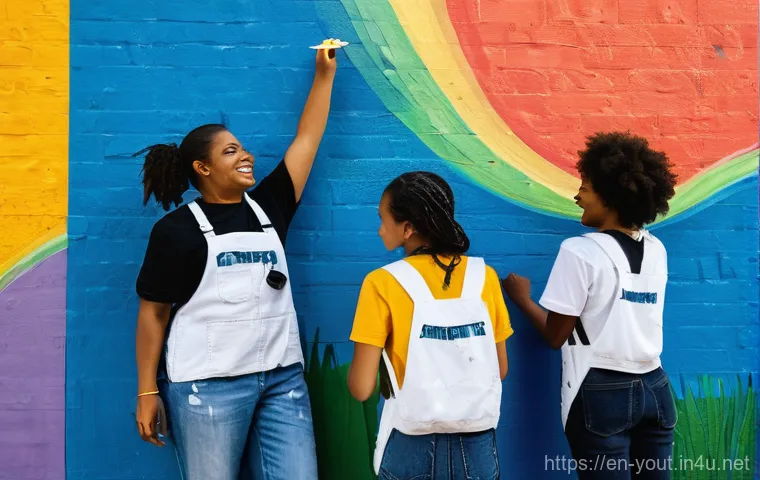
For a teen struggling with anxiety or trauma, expressing themselves through a canvas or a melody can be profoundly healing. I recall a program where young people who had experienced homelessness created a mural depicting their journey – the collaborative process and the final, powerful artwork were incredibly cathartic for them and moving for everyone who saw it.
It’s not about becoming a professional artist; it’s about the process, the freedom to create, and the validation of their inner world. These initiatives provide a safe, non-judgmental space for self-discovery and emotional growth, fostering a sense of accomplishment and belonging that transcends words.
Building Character Through Sports and Teamwork
Sports are more than just games; they are powerful training grounds for life. From learning the importance of practice and perseverance to understanding the dynamics of teamwork and fair play, the lessons learned on the field or court are invaluable.
I’ve personally coached youth soccer, and what always struck me was how much kids learned about handling success and failure with grace. It wasn’t just about winning; it was about showing up, putting in the effort, and supporting your teammates, even when things got tough.
These programs teach discipline, commitment, and how to work collaboratively towards a common goal. Moreover, the physical activity itself is crucial for mental and physical well-being, providing a healthy outlet for stress and boundless energy.
I’ve seen kids who struggled academically find their passion and build immense confidence through sports, proving that there are many paths to success and self-worth.
Mental Health Matters: Breaking Stigmas and Providing Support
Let’s talk about something incredibly important that often gets pushed aside: youth mental health. I’ve personally seen the silent battles many young people fight – the anxieties, the depression, the immense pressure to always be “on” and perfect.
It’s a heavy burden, and unfortunately, the stigma surrounding mental health can make it even harder for them to reach out for help. What truly concerns me is the rising statistics and the increasing complexity of mental health challenges our youth face today.
But here’s the good news: there are incredible community-led projects and youth workers tirelessly working to break down these barriers, create safe spaces, and provide vital support.
They’re not just offering quick fixes; they’re fostering environments where young people feel seen, heard, and understood, making a tangible difference in their well-being.
It’s inspiring to witness the dedication to creating a future where asking for help is as normal as seeking treatment for a physical ailment.
Destigmatizing Mental Health Conversations
One of the most crucial steps, I’ve found, is simply getting people to talk openly about mental health. Community programs are doing this brilliantly by creating platforms for honest conversations, whether through peer support groups, workshops led by young people, or awareness campaigns.
I remember a youth-led initiative that produced a series of short films where teens shared their personal struggles with anxiety and depression. The raw honesty of these films resonated deeply with their peers, showing them they weren’t alone and that it was okay not to be okay.
This kind of peer-to-peer connection is incredibly powerful. When young people see their friends and role models talking about mental health, the stigma begins to crumble, and the path to seeking help becomes less daunting.
It’s about normalizing the conversation, making it as common as discussing a cold or a broken arm.
Early Intervention and Accessible Support Services
Early intervention is absolutely critical when it comes to mental health. The sooner a young person gets support, the better the outcome. I’ve witnessed the incredible impact of community-based mental health services that are easily accessible and tailored to young people’s needs.
These aren’t sterile clinical environments; often, they’re warm, welcoming spaces within community centers or schools where youth can connect with counselors, therapists, or support workers.
Some programs even offer crisis lines staffed by trained volunteers, or peer navigators who help young people find the right resources. I personally saw a young man, initially reluctant to open up, find immense comfort and guidance from a youth worker who simply met him for coffee regularly, building trust slowly.
This proactive, non-judgmental approach makes a world of difference, ensuring that help is available the moment it’s needed, preventing issues from escalating.
Bridging the Gap: Supporting Transitions from Education to Employment
The journey from school to the working world can feel like a massive leap into the unknown, and I’ve met countless young people grappling with the anxieties of ‘what’s next?’ They might have great academic potential, but lack the practical experience, networking skills, or even the confidence to navigate the job market.
It’s not just about finding a job; it’s about finding a fulfilling path that aligns with their aspirations and provides stability. This is where community-led projects truly shine, stepping in to bridge that gap with tailored support, real-world experience, and invaluable mentorship.
I’ve seen these initiatives transform uncertainty into opportunity, equipping young adults not just with job skills, but with a clear sense of direction and purpose.
It’s incredibly rewarding to witness these young individuals confidently take their first steps into the professional world.
Career Guidance and Job Readiness Programs
Effective career guidance is so much more than just a quick chat about resumes. I’ve seen successful community programs offer comprehensive job readiness workshops that cover everything from interview techniques and professional etiquette to understanding workplace culture and managing finances.
They often include mock interviews with local business leaders, which provides invaluable feedback and helps build confidence. I remember a particular program where participants were paired with volunteers from various industries for informational interviews.
These conversations demystified different career paths and helped young people visualize their future. It wasn’t just about getting a job; it was about understanding the landscape, making informed decisions, and preparing for a sustainable career, not just a temporary gig.
These programs empower them with the tools and knowledge to proactively pursue their career goals.
Apprenticeships and Real-World Work Experience
Nothing quite prepares you for a job like actually doing it. That’s why community-led apprenticeship and work experience programs are so powerful. They offer young people the chance to gain hands-on skills, understand workplace dynamics, and build a professional network, often before they even leave school.
I’ve witnessed incredible partnerships between community organizations and local businesses, where youth are placed in roles that match their interests, from culinary arts to digital marketing.
I recall a young woman who, through a community program, secured an apprenticeship at a local bakery. She learned baking techniques, customer service, and even inventory management.
By the end of her apprenticeship, she had not only gained valuable skills but also secured a part-time job there and discovered a real passion. These experiences are invaluable, providing not just a paycheck but a pathway to sustained employment and career growth, proving that practical learning is sometimes the most impactful.
| Program Focus Area | Key Activities & Support | Impact on Youth |
|---|---|---|
| Digital Literacy & Safety | Workshops on media literacy, cyberbullying prevention, digital ethics, online critical thinking, privacy settings. | Enhanced online safety, critical evaluation skills, reduced vulnerability to online risks, responsible digital citizenship. |
| Mentorship & Life Skills | One-on-one mentoring, group activities, practical skill development (e.g., budgeting, communication, cooking, resume writing). | Improved self-esteem, decision-making abilities, practical independence, clearer life direction, emotional support. |
| Creative Arts & Sports | Art therapy sessions, music programs, drama workshops, team sports leagues, coaching, performance opportunities. | Enhanced self-expression, emotional regulation, physical health, teamwork, discipline, confidence, stress relief. |
| Civic Engagement & Leadership | Community service projects, advocacy campaigns, leadership training, public speaking, understanding local governance. | Developed leadership skills, civic responsibility, problem-solving, empathy, sense of community ownership. |
| Career & Vocational Training | Job readiness workshops, resume building, interview practice, vocational apprenticeships, career fairs, industry tours. | Increased employability, vocational skills, career clarity, professional networking, successful transition to employment. |
Concluding Thoughts
As we wrap up this journey through the various ways we can champion our young people, I truly hope you feel as energized and hopeful as I do. It’s clear that fostering well-rounded, resilient, and engaged youth isn’t a single effort but a rich tapestry woven from digital literacy, compassionate mentorship, vibrant community learning, and unwavering mental health support.
Every single conversation, every program, and every moment of genuine connection contributes immensely to shaping a brighter future for the next generation.
We’re not just talking about programs; we’re talking about nurturing dreams, building confidence, and empowering them to lead fulfilling lives. It’s a collective responsibility, and one I believe we can absolutely excel at, together.
Useful Information to Know
1. Digital Well-being Checks: Regularly check in with young people about their online experiences, not just screen time, but what they’re seeing and feeling. Establishing an open dialogue can make a significant difference in their digital safety and mental health.
2. Seek Mentorship Opportunities: Encourage and connect youth with positive role models; formal programs or informal connections can provide invaluable guidance and support as they navigate life’s challenges.
3. Explore Community Programs: Look beyond traditional schooling for enriching arts, sports, and vocational training initiatives in your local area. These can unlock hidden talents and provide practical skills that aren’t always taught in classrooms.
4. Open Mental Health Dialogues: Create an environment where discussing feelings and seeking mental health support is normalized and encouraged, free from stigma. Early intervention and a supportive community are crucial for young people’s emotional well-being.
5. Champion Their Voice: Empower young people to engage in civic action and advocacy, helping them realize their potential to drive positive change in their communities and beyond. Their ideas and energy are vital for a better future.
Key Takeaways
Ultimately, the well-being and success of our youth hinge on a holistic approach that blends education with empathetic support and real-world opportunities. By prioritizing digital literacy, strong mentorship, diverse community engagement, and accessible mental health resources, we equip young individuals with the resilience, skills, and confidence they need to thrive in an ever-evolving world. Investing in our youth today is truly investing in a brighter, more capable future for everyone.
Frequently Asked Questions (FAQ) 📖
Q: uestionsQ1: What are the biggest challenges modern teens and young adults are currently grappling with, and how do youth workers step in to help?
A: Oh, where do I even begin? It feels like today’s young people are facing a whole new set of hurdles that, honestly, my generation didn’t really have to deal with in the same way.
From what I’ve seen and from countless conversations, the pressure to succeed in absolutely every area of life – academics, social media, future careers – is immense, and it often leads to a lot of stress and anxiety.
Then there’s the constant digital bombardment, including cyberbullying and the struggle to differentiate real from fake news, which can be incredibly isolating and damaging to their mental health.
Many also grapple with finding a sense of identity and purpose in such a rapidly changing world, not to mention the very real challenges of education inequality, job insecurity after graduation, and even substance abuse that can stem from peer pressure or a lack of support at home.
This is where the magic of youth workers really shines. They’re not just passive observers; they’re on the front lines, creating safe, inclusive spaces where young people feel heard, valued, and genuinely supported.
I’ve personally seen them become trusted adults in these kids’ lives, helping them navigate those tricky social situations, develop critical life skills like problem-solving and emotional intelligence, and build resilience.
They’re teaching them how to process emotions, make good decisions, and even explore career paths, often through mentorship and engaging activities. It’s truly transformative to watch.
Q: Can you share some examples of innovative community-led projects that are making a real difference in empowering youth today?
A: Absolutely! This is the part that truly fills me with hope and excitement. It’s not just about traditional youth clubs anymore, though those are still vital!
What I’m seeing are some incredibly creative and impactful initiatives emerging from the heart of communities. For instance, many programs are now focusing heavily on youth leadership and advocacy, giving young people a platform to voice their concerns and even design solutions for issues affecting their lives, not just being told what to do.
I’ve heard about some fantastic mentorship programs that pair experienced adults with young people, offering guidance that goes far beyond school, helping them achieve personal goals and overcome obstacles.
Then there are projects like those I’ve seen that blend skill-building with community service – think youth-led initiatives that tackle local environmental challenges through recycling campaigns or even teaching construction skills by building public facilities.
There are also amazing programs specifically addressing mental health, providing workshops and resources to help young people manage stress and emotions in a sustainable way.
These aren’t just one-off events; they’re often multi-year efforts that build trust, foster collaboration, and genuinely empower young people to become active, capable leaders in their own communities.
The impact is just incredible!
Q: How can individuals and the broader community get involved to support these vital youth initiatives and ensure their long-term success?
A: You know, it’s so easy to feel overwhelmed by the sheer scale of the challenges our youth face, but honestly, every single one of us can make a difference, and it truly adds up!
From my experience, the most direct way to contribute is by volunteering your time. Whether it’s mentoring a young person through a structured program, tutoring a subject you’re passionate about, or even coaching a local sports team, your presence and expertise can be invaluable.
I’ve seen firsthand how a consistent, positive adult role model can completely change a young person’s trajectory. If time is tight, financial contributions are always incredibly impactful.
Nonprofits, community centers, and schools rely on donations to fund these amazing programs, and even small, regular contributions can ensure they have the resources to continue their life-changing work.
Beyond that, simply lending your voice and spreading awareness about these initiatives within your social circles or on social media can help them gain the recognition and support they desperately need.
I also believe in advocating for youth voices in local planning meetings – ensuring that decisions about our communities consider the needs and interests of young people.
Ultimately, it’s about creating a culture where youth development is prioritized and seen as a collective responsibility. Our young people are our future, and investing in them is truly an investment in all of us.