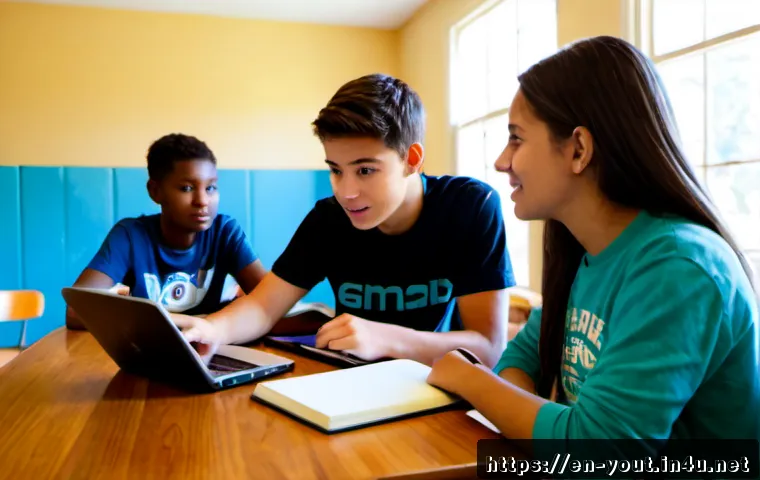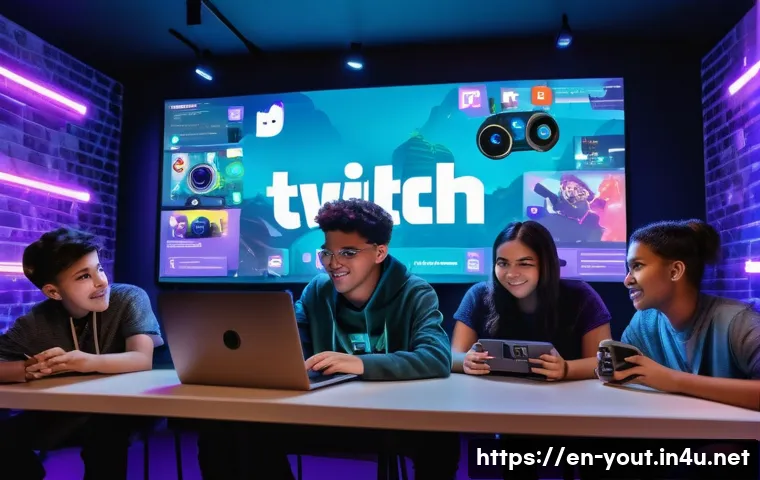
Working with youth today means more than just guidance—it involves understanding their culture and the digital spaces they thrive in. Youth workers play a crucial role in shaping positive experiences, and when combined with creative content planning, the impact multiplies.
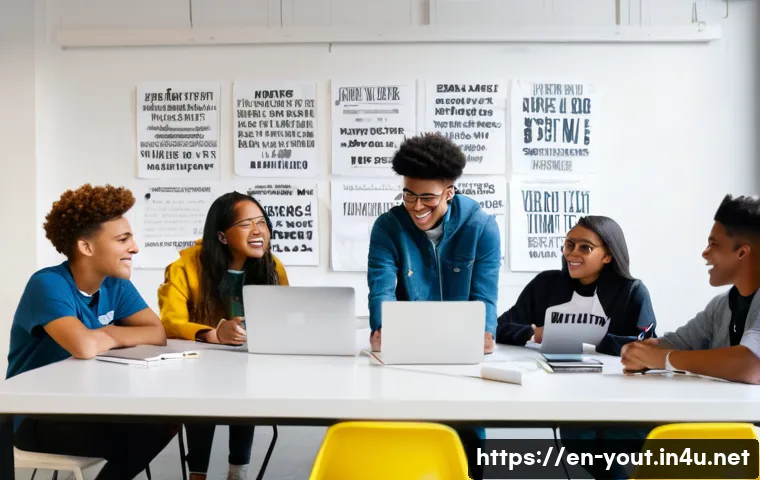
Crafting youth-focused cultural content not only engages young minds but also empowers them to express themselves meaningfully. Exploring this dynamic field reveals how thoughtful strategies can inspire growth and connection.
Let’s dive in and uncover the exciting possibilities that lie ahead!
Understanding Youth Culture in the Digital Age
The Ever-Changing Landscape of Youth Interests
Young people today navigate a world that’s vastly different from just a decade ago. Their interests shift quickly, influenced by trends on platforms like TikTok, Instagram, and emerging apps.
What caught their attention last month might feel outdated now. For youth workers, this means staying flexible and curious is essential. When I first started engaging with youth, I realized that trying to impose yesterday’s culture onto today’s teens often led to disengagement.
Instead, by tuning into what’s relevant to them—whether it’s a viral dance challenge or a new music genre—I found conversations became more genuine and impactful.
Digital Spaces as Cultural Hubs
The internet isn’t just a tool for communication; it’s a vibrant cultural hub where young people express their identities, build communities, and discover new ideas.
Platforms like Discord or Twitch offer spaces for shared interests, from gaming to social justice activism. Youth workers who understand these digital ecosystems can better support young people’s mental health and creativity.
Personally, I’ve witnessed how teens who struggled in face-to-face settings found confidence and belonging through online communities. Recognizing these spaces as legitimate cultural venues helps professionals meet youth where they are.
Bridging the Gap Between Generations
One of the biggest challenges is the generational divide in understanding youth culture. Adults sometimes dismiss digital trends as trivial, not realizing their significance in young people’s social lives.
I’ve found that when youth workers make an effort to learn about these trends without judgment, it opens doors for meaningful dialogue. Sharing experiences, even if it’s just attempting a popular meme or game, creates common ground.
This mutual respect builds trust, making guidance more effective and authentic.
Designing Engaging Content That Resonates
Crafting Stories That Reflect Youth Voices
Content that connects with young people often tells stories they see themselves in. It’s not about preaching but rather reflecting their realities, struggles, and dreams.
When I helped develop a youth podcast series, we invited teens to share their own stories rather than scripting everything. This approach gave the content an authentic voice that listeners could relate to, sparking conversations offline and online.
Incorporating humor, emotion, and real-life experiences makes content more relatable and memorable.
Interactive and Multimedia Approaches
Static content rarely captures youth attention for long. Integrating multimedia elements like videos, infographics, or interactive polls encourages active participation.
From my experience, live streams or Q&A sessions can be game-changers, fostering a sense of community and immediacy. For example, hosting a virtual workshop where teens contribute ideas in real time energized the group and made the session feel more collaborative.
Mixing formats keeps content fresh and caters to diverse learning styles.
Balancing Entertainment and Education
Youth are more likely to engage when content feels fun rather than forced. However, educational messages remain crucial. I’ve found success in weaving lessons into entertaining formats—think gamified challenges or storytelling with a purpose.
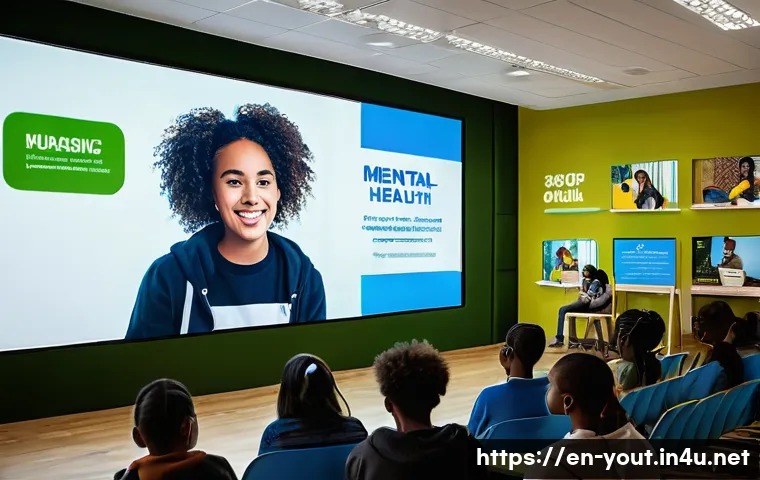
This balance helps youth absorb important information without feeling lectured. For instance, a social media campaign on mental health that used relatable memes alongside facts gained traction because it respected youth culture while delivering valuable insights.
Fostering Creative Expression Through Cultural Projects
Encouraging Self-Expression as a Tool for Growth
Creative projects offer young people a powerful outlet to explore identity and emotions. When I facilitated a mural painting project, the youth involved expressed feelings they hadn’t been able to articulate before.
This kind of expression supports emotional well-being and builds confidence. Providing safe spaces where youth can experiment with art, music, or writing nurtures their talents and fosters a sense of accomplishment.
Collaborative Projects That Build Community
Working on group projects strengthens social bonds and teaches teamwork. I noticed that when teens co-create content or organize events, they develop leadership and communication skills naturally.
For example, a youth-led digital magazine allowed participants to share diverse perspectives, creating a sense of ownership and pride. These collaborations often spark lasting friendships and networks that extend beyond the project timeline.
Utilizing Technology to Amplify Voices
Digital tools can democratize creative expression by giving youth platforms to share their work widely. I’ve seen young creators use social media, blogs, and video channels to reach audiences far beyond their local communities.
Supporting them with technical skills and ethical guidance ensures they navigate this space safely and effectively. Empowering youth to become content creators themselves shifts the dynamic from passive consumers to active contributors.
Building Trust and Authentic Connections
Active Listening as the Foundation
One of the most effective ways to connect with young people is through genuine listening. I learned early on that when youth feel heard without judgment, they open up more honestly.
This creates a foundation for meaningful support and guidance. Sometimes, just validating their experiences can make a huge difference in their sense of belonging and self-worth.
Consistency and Reliability Matter
Trust grows over time through consistent presence and follow-through. I’ve noticed that youth respond positively when adults show up regularly, keep promises, and maintain confidentiality.
These behaviors signal respect and care, which are crucial for sustaining engagement. Even small gestures, like remembering a teen’s interests or checking in after a tough week, build strong relational bonds.
Balancing Authority with Approachability
Youth workers walk a fine line between being authoritative figures and approachable mentors. I’ve found that blending professionalism with warmth helps create an environment where youth feel comfortable seeking help without fear of judgment.
Sharing relatable stories or admitting when I don’t have all the answers sometimes breaks down barriers and encourages openness.
Leveraging Data to Enhance Youth Programs
Collecting Feedback to Understand Needs
Regularly gathering input from youth about what works and what doesn’t ensures programs stay relevant. Surveys, focus groups, or informal chats can reveal shifting interests and challenges.
In my work, involving youth in program design through feedback loops increased their engagement and ownership. It also helped tailor activities that truly resonate with their experiences.
Tracking Outcomes for Continuous Improvement
Measuring the impact of cultural content and youth initiatives helps justify resources and refine strategies. I use simple metrics like participation rates, social media engagement, and qualitative stories of change to evaluate success.
This data-driven approach supports making informed decisions and adapting to evolving youth needs.
Balancing Quantitative and Qualitative Insights
Numbers tell part of the story, but personal narratives enrich understanding. Combining both types of data paints a fuller picture of youth experiences.
For example, a rise in attendance paired with testimonials about increased confidence reveals deeper program benefits. This balance guides more empathetic and effective youth work.
Effective Strategies for Youth Engagement
Creating Safe and Inclusive Spaces
A welcoming environment where all youth feel respected regardless of background is essential. I’ve seen how inclusive language and diverse representation in content foster a sense of belonging.
This encourages participation from young people who might otherwise feel marginalized or hesitant.
Empowering Youth Leadership
Giving youth opportunities to lead initiatives builds skills and confidence. Involving them in decision-making processes shows respect for their perspectives and promotes responsibility.
I recall a youth advisory board that shaped program activities, resulting in more relevant and appealing offerings.
Using Incentives Mindfully
While rewards can motivate participation, intrinsic motivation is more sustainable. I’ve balanced incentives like certificates or small prizes with fostering a sense of purpose and achievement.
Encouraging youth to recognize their own growth and contributions keeps engagement authentic.
| Strategy | Key Benefits | Implementation Tips |
|---|---|---|
| Active Listening | Builds trust and openness | Practice patience, avoid interrupting, validate feelings |
| Multimedia Content | Increases engagement and caters to diverse learning styles | Use videos, infographics, live sessions, interactive polls |
| Youth Leadership | Enhances responsibility and relevance of programs | Include youth in planning, provide mentorship and support |
| Inclusive Environments | Encourages participation from diverse groups | Use inclusive language, represent diversity visibly |
| Feedback Collection | Ensures programs stay relevant and effective | Use surveys, focus groups, informal chats regularly |
Conclusion
Understanding youth culture in the digital age requires openness, adaptability, and genuine connection. By embracing their interests and digital spaces, we can create meaningful engagement that supports their growth. Authenticity and respect remain key to building trust and fostering creativity. With thoughtful strategies, we can empower young people to thrive in a rapidly changing world.
Useful Information to Keep in Mind
1. Stay updated with emerging digital platforms where youth spend their time to maintain relevance.
2. Encourage storytelling and self-expression to help youth share their unique experiences.
3. Blend entertainment with education to keep learning engaging and relatable.
4. Collect and act on feedback regularly to tailor programs effectively.
5. Create inclusive environments that welcome diversity and promote belonging.
Key Takeaways
Building trust through active listening and consistent presence is essential for meaningful youth engagement. Incorporating multimedia and interactive content captures attention and supports diverse learning preferences. Empowering youth leadership fosters responsibility and investment in programs. Balancing data insights with personal stories ensures programs meet real needs. Finally, nurturing safe, inclusive spaces encourages participation from all young people, making cultural initiatives more impactful and sustainable.
Frequently Asked Questions (FAQ) 📖
Q: How can youth workers effectively connect with young people in today’s digital age?
A: Connecting with youth today means more than just face-to-face interaction; it requires immersing yourself in the digital platforms and cultural trends they engage with daily.
From social media apps to gaming communities, understanding where young people spend their time online allows youth workers to meet them on familiar ground.
Personally, I’ve found that participating in these digital spaces—not just observing—builds trust and opens up authentic conversations. It’s about being genuinely curious and respectful of their digital world, which often leads to stronger relationships and more meaningful guidance.
Q: Why is creative content planning important when working with youth?
A: Creative content planning turns ordinary interactions into memorable experiences that resonate deeply with young people. When youth workers design activities or messages that reflect youth culture—whether through music, memes, or storytelling—it sparks engagement and encourages self-expression.
From my experience, content that feels relevant and fun motivates young people to participate actively rather than passively. This creativity also empowers them to share their own stories, fostering a sense of ownership and confidence that can be transformative in their personal growth.
Q: What are some practical strategies to empower youth through cultural content?
A: Empowerment comes from giving young people tools to express their identities and ideas safely and creatively. One effective strategy is co-creating content with youth, allowing them to lead projects like video blogs, art collaborations, or digital campaigns.
I’ve seen firsthand how this approach boosts their confidence and ownership. Additionally, incorporating diverse cultural perspectives and encouraging open dialogue helps youth appreciate their own backgrounds and those of others.
Providing platforms for their voices—whether online or offline—validates their experiences and nurtures a supportive community where growth and connection naturally flourish.