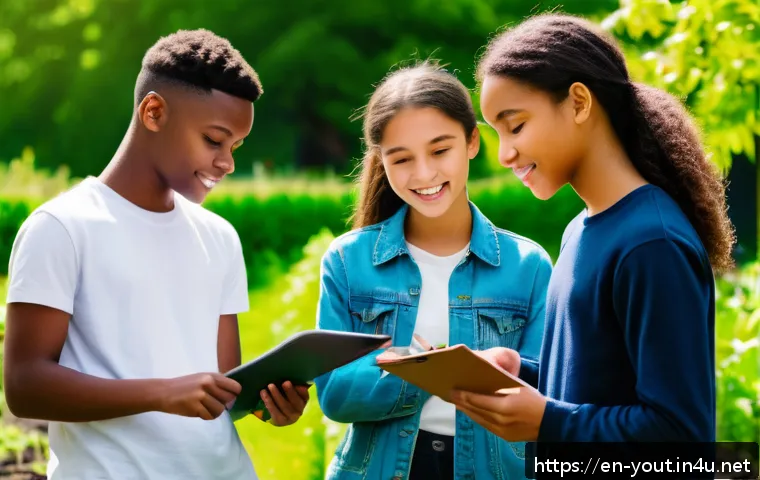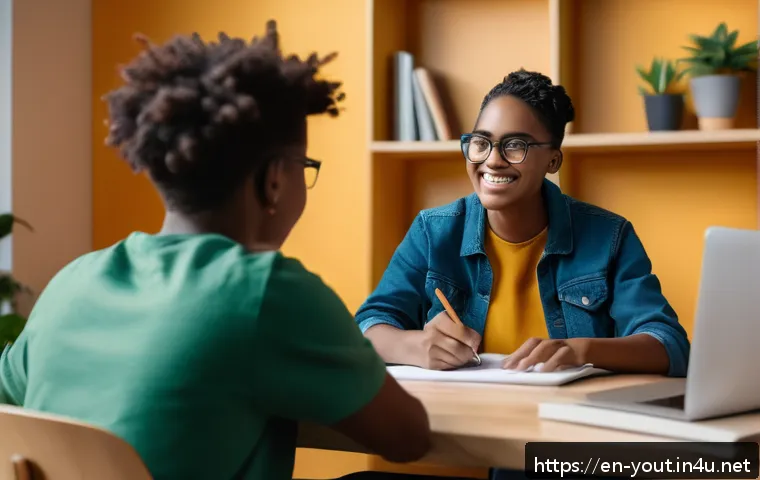
In today’s digital age, social media isn’t just a platform for entertainment—it’s a powerful tool for shaping minds and inspiring action. Youth mentors, in particular, hold a unique position to leverage these channels to foster positive change and meaningful connections.

With the rise of online communities and viral movements, now is the perfect time to explore how mentors can amplify their impact beyond face-to-face interactions.
If you’ve ever wondered how to turn likes and shares into real-world transformation, this post is for you. Let’s dive into practical strategies that bring mentorship into the 21st century, engaging young people where they spend most of their time—online.
Crafting Authentic Connections Through Digital Storytelling
Building Trust with Genuine Narratives
In the world of social media, authenticity is currency. Young people are incredibly savvy; they can spot when someone’s message feels rehearsed or insincere from a mile away.
That’s why mentors should focus on sharing real stories—whether it’s a personal challenge they overcame or a success story from their mentees. I’ve noticed that when mentors open up about their own journeys, it creates a bridge of empathy and trust.
This kind of vulnerability invites youth to engage more deeply, making the online interaction feel less like a broadcast and more like a meaningful conversation.
It’s about being human, flaws and all, which resonates far beyond polished posts or generic advice.
Using Multimedia to Enhance Engagement
A picture might be worth a thousand words, but a well-crafted video or an interactive post can be priceless when it comes to mentorship. Incorporating short clips, behind-the-scenes glimpses, or even live Q&A sessions can transform passive scrolling into active participation.
From my experience, youth respond enthusiastically to formats that feel dynamic and relatable. For example, sharing a quick tutorial on managing stress or a day-in-the-life vlog adds layers to the message and keeps followers coming back for more.
Plus, platforms reward diverse content with better visibility, so this approach isn’t just engaging—it’s strategic.
Encouraging Two-Way Communication
Mentorship isn’t a one-way street, especially on social media. Encouraging young people to share their thoughts, questions, and experiences fosters a sense of community.
I’ve found that posing open-ended questions or creating polls invites participation and builds a feedback loop. When mentors respond thoughtfully to comments or direct messages, it reinforces that the relationship extends beyond the screen.
This interaction often sparks peer-to-peer support within the online community, amplifying the positive impact. It’s about turning followers into active participants who feel seen and valued.
Leveraging Platform-Specific Features for Maximum Reach
Tailoring Content to Each Social Channel
Each social media platform has its own vibe and technical quirks, so a one-size-fits-all strategy rarely works. For instance, Instagram thrives on visually compelling content like reels and stories, while Twitter favors concise, thought-provoking text and threads.
LinkedIn might be the place for sharing mentorship success stories and professional growth tips. From what I’ve seen, mentors who adapt their content style and format to fit these nuances tend to gain more traction.
It’s like speaking the language of each community rather than shouting the same message everywhere.
Utilizing Hashtags and Trends Wisely
Jumping on relevant hashtags or trending topics can extend your mentorship message far beyond your immediate followers. However, it’s crucial to align these trends with your values and goals to avoid coming off as opportunistic.
In my experience, incorporating hashtags related to youth empowerment, mental health awareness, or educational milestones helps attract the right audience.
Timing matters too—posting when your target demographic is most active boosts visibility and engagement. Using analytics tools native to platforms can help mentors pinpoint these sweet spots with greater accuracy.
Collaborating with Influencers and Organizations
Partnering with influencers or youth-focused organizations can be a game-changer. These collaborations bring fresh perspectives and access to wider networks.
I remember working alongside a nonprofit that specialized in adolescent mental health; their endorsement and shared content significantly increased our reach and credibility.
Mentors can co-host live events, create joint challenges, or simply share each other’s posts. This not only diversifies the content but also signals to young people that there’s a broader support system behind the mentorship effort.
Creating Interactive and Educational Campaigns
Designing Challenges that Inspire Action
Challenges are a fantastic way to engage youth in a fun, hands-on manner while promoting positive behaviors. Whether it’s a 30-day gratitude journal challenge or a digital detox week, these campaigns encourage participants to reflect and grow.
I’ve facilitated several such initiatives and noticed that setting clear, achievable goals paired with regular check-ins keeps motivation high. Additionally, featuring participant stories or shoutouts increases the sense of community and accountability.
It’s all about making mentorship interactive rather than passive.
Hosting Virtual Workshops and Webinars
Virtual workshops offer an excellent opportunity for in-depth learning and connection. They allow mentors to address specific topics like career planning, emotional intelligence, or social skills in a structured environment.
From my perspective, the key is to keep these sessions engaging by incorporating polls, breakout rooms, or real-time Q&A. Recording these events also provides valuable content that can be repurposed for those who couldn’t attend live.
The accessibility of online workshops breaks down geographical barriers, making mentorship more inclusive.
Gamifying Learning Experiences
Adding game elements to mentorship content can significantly boost participation and retention. Features like badges, points, or leaderboards tap into the natural competitive spirit of many young people.
In one project I observed, gamification increased engagement rates by over 40%, as participants eagerly worked toward rewards and recognition. This approach can be integrated into apps, social media challenges, or even email campaigns.
When designed thoughtfully, gamification transforms learning into an enjoyable journey rather than a chore.
Utilizing Analytics to Refine Mentorship Strategies
Tracking Engagement Metrics
Understanding what content resonates most requires diving into data. Metrics like likes, shares, comments, and watch time offer valuable insights into youth interests and behaviors.
I often recommend mentors check these stats weekly to identify trends and adjust their approach accordingly. For example, if posts about mental health get more interaction than general advice, it makes sense to prioritize that topic.
This data-driven mindset helps avoid guesswork and ensures that efforts are both efficient and impactful.
Monitoring Community Growth and Sentiment
Beyond raw numbers, it’s important to gauge the quality of interactions. Are followers expressing enthusiasm, asking questions, or offering support to one another?
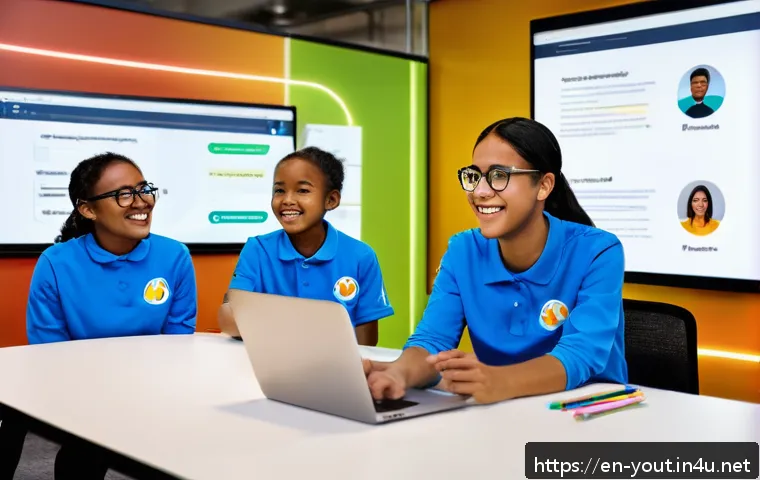
Sentiment analysis, even informally by reading comments, reveals whether the community feels safe and motivated. In my experience, a positive, engaged community sustains itself and attracts new members organically.
Mentors can foster this by highlighting success stories and addressing concerns promptly, showing that the space is not just informative but also nurturing.
Adapting Content Based on Feedback
Feedback is a mentor’s secret weapon. Whether it comes from direct messages, surveys, or casual comments, it provides a window into what’s working and what’s not.
I’ve found that openly asking for input encourages transparency and trust. When mentors demonstrate that they’re listening by tweaking their content or responding to suggestions, it deepens engagement.
This iterative process turns mentorship into a collaborative journey rather than a one-sided lecture.
Balancing Privacy and Transparency in Online Mentorship
Setting Clear Boundaries and Expectations
Navigating privacy is a tightrope walk in digital mentorship. It’s crucial to define what kind of information is shared publicly and what remains confidential.
I always advise mentors to establish these boundaries early on—both for themselves and their mentees. This might include guidelines about direct messaging, sharing personal stories, or posting photos.
Clear communication helps prevent misunderstandings and protects everyone involved, fostering a respectful online environment.
Educating Youth on Digital Safety
Mentors have a responsibility to guide young people in safe online practices. This includes recognizing scams, understanding data privacy, and managing their digital footprints.
From my interactions, incorporating digital literacy into mentorship conversations empowers youth to navigate the internet confidently and responsibly.
Sharing resources or hosting mini-lessons on these topics can be incredibly impactful. It’s about equipping them with tools for long-term well-being, not just immediate engagement.
Maintaining Transparency Without Oversharing
While openness builds trust, oversharing can blur professional lines and lead to complications. I’ve learned that striking a balance means being honest about experiences and challenges without delving into overly personal territory.
This approach maintains authority and respect, ensuring that the mentor remains a reliable figure rather than a peer. Transparency also involves acknowledging mistakes or uncertainties, which humanizes the mentor and encourages authenticity.
Maximizing Impact Through Consistent and Strategic Posting
Developing a Content Calendar
Consistency is key to staying relevant in the fast-moving world of social media. Having a content calendar helps mentors plan posts around themes, special dates, or campaigns.
I’ve noticed that when mentors stick to a schedule, their audience anticipates and looks forward to new content, boosting engagement. Plus, planning ahead reduces last-minute stress and allows for higher quality posts.
A balanced calendar includes a mix of educational, inspirational, and interactive content to keep things fresh.
Timing Posts for Optimal Reach
Knowing when your audience is most active can make a huge difference in visibility. Social media platforms often provide insights into peak engagement times, which vary by age group and region.
From my experience, posting during early evenings or weekends tends to capture youth attention better, as they’re more relaxed and browsing casually. Experimenting with different times and analyzing the results helps fine-tune this strategy.
It’s a simple adjustment that can significantly enhance impact.
Using Calls to Action to Drive Engagement
Every post should have a clear purpose, whether it’s sparking a conversation, encouraging sign-ups, or prompting reflection. Calls to action (CTAs) guide followers toward meaningful involvement.
I’ve found that direct but friendly CTAs like “Share your story below” or “Tag a friend who needs to hear this” invite participation without feeling pushy.
Strategically placed CTAs increase click-through rates and deepen the relationship between mentor and mentee, turning passive viewers into active contributors.
| Strategy | Key Benefits | Example Tactics |
|---|---|---|
| Authentic Storytelling | Builds trust and emotional connection | Share personal experiences, mentee successes |
| Platform-Specific Content | Improves reach and engagement | Instagram reels, Twitter threads, LinkedIn articles |
| Interactive Campaigns | Encourages active participation | Challenges, live Q&A, gamified learning |
| Analytics-Driven Adjustments | Optimizes content effectiveness | Monitor metrics, gather feedback, adapt posts |
| Privacy Management | Protects mentor and mentee boundaries | Set guidelines, educate on digital safety |
| Consistent Posting | Maintains audience interest | Use content calendar, post at peak times |
Closing Thoughts
Building authentic connections through digital storytelling is essential for meaningful mentorship. By embracing genuine narratives, interactive content, and platform-specific strategies, mentors can foster trust and engagement with youth. This approach not only enriches relationships but also amplifies positive impact in the digital space. Consistency and thoughtful communication remain key to sustaining these connections over time.
Useful Information to Keep in Mind
1. Authentic storytelling helps create emotional bonds and builds credibility, making mentorship more relatable and impactful.
2. Tailoring content to each social media platform’s unique style increases visibility and attracts the right audience.
3. Interactive campaigns such as challenges and live sessions encourage active participation and foster a sense of community.
4. Regularly analyzing engagement data and feedback enables mentors to refine their strategies for maximum effectiveness.
5. Setting clear privacy boundaries and educating youth on digital safety ensures a respectful and secure online environment.
Key Takeaways
Effective digital mentorship relies on authenticity, strategic content planning, and ongoing interaction. Mentors should adapt their messaging to fit different platforms while encouraging two-way communication. Utilizing analytics to guide content and maintaining privacy standards are crucial for building trust and sustaining engagement. Ultimately, consistent, thoughtful efforts transform online mentorship into a supportive and empowering experience for young people.
Frequently Asked Questions (FAQ) 📖
Q: How can youth mentors effectively use social media to build trust with young people?
A: Building trust on social media starts with authenticity. Young people can easily spot when someone isn’t genuine, so mentors should share real stories, challenges, and successes from their own lives.
Engaging in two-way conversations by responding to comments and messages shows that mentors genuinely care. Consistency is key, too—posting regularly and being present helps create a reliable space where mentees feel comfortable opening up.
I’ve found that using platforms popular with youth, like Instagram or TikTok, and adapting content to fit those formats makes the interaction feel more natural and less like a lecture.
Q: What are some practical ways mentors can turn online engagement into real-world impact?
A: One of the most effective approaches is to create challenges or projects that encourage offline action—like community clean-ups, book clubs, or skill-building workshops—that start with a social media campaign.
Mentors can use hashtags to track participation and celebrate successes online, which motivates others to join. From my experience, combining online encouragement with local meetups or virtual group calls helps solidify relationships and accountability.
Sharing progress updates and personal reflections keeps the momentum going and shows mentees that their actions truly matter.
Q: How do mentors balance privacy and openness when connecting with youth on digital platforms?
A: Navigating privacy is crucial to maintain trust and safety. Mentors should set clear boundaries upfront about what kind of communication is appropriate and which platforms are best suited for mentorship conversations.
Using private groups or direct messaging for sensitive topics helps protect confidentiality. At the same time, being open about those boundaries and explaining why they exist fosters respect and comfort.
I’ve noticed that when mentors are transparent and model respectful online behavior, young people feel safer sharing and engaging, which ultimately strengthens the mentorship relationship.