
In a world where young voices are more powerful than ever, fostering innovative leadership and self-governed activities is key to unlocking their true potential.

With recent shifts toward youth-led initiatives gaining momentum globally, now is the perfect time to explore how empowering young people can transform communities and drive meaningful change.
From grassroots movements to entrepreneurial ventures, youth leadership is reshaping the future in exciting ways. Let’s dive into how nurturing this energy not only builds confidence but also creates lasting impact.
Stick around to discover practical insights and inspiring stories that highlight the power of youth-driven innovation.
Unlocking the Power of Youth Leadership Through Community Engagement
Building Confidence by Taking Initiative
When young people step into leadership roles, they often face a mix of excitement and uncertainty. But the magic really happens when they’re encouraged to take initiative in real-world settings.
I’ve seen firsthand how giving teens the space to design projects or lead events helps them gain confidence that textbooks alone can’t teach. They learn to navigate challenges, negotiate with peers, and make decisions that actually impact others.
This hands-on experience fosters a sense of ownership and pride, which is essential for developing strong leaders who believe in their own potential.
Creating Spaces for Self-Governance
One of the most effective ways to empower youth is by providing platforms where they can govern themselves. Whether it’s a youth council, a student-run club, or a neighborhood task force, these spaces allow young people to practice democratic decision-making and accountability.
The value here goes beyond leadership skills; it teaches respect for diverse opinions and collaborative problem-solving. From what I’ve observed, when youth control the agenda and execution, their motivation skyrockets, and their initiatives tend to be more creative and relevant to their peers.
Fostering Innovation Through Mentorship and Resources
Innovation doesn’t flourish in isolation. Young leaders thrive when they have access to mentors who guide without taking over, and resources that support their ideas.
I’ve worked with groups where adult allies acted as sounding boards and connectors rather than directors, which made all the difference. This balance empowers youth to experiment, learn from mistakes, and refine their approaches.
Access to funding, technology, and training also plays a huge role in turning youthful ideas into tangible outcomes. When these elements come together, the energy and creativity of young leaders can truly transform communities.
Harnessing Youth-Driven Entrepreneurial Spirit
From Ideas to Impact: Youth Startups Making Waves
Across the globe, young entrepreneurs are stepping up with fresh ideas that challenge the status quo. I remember meeting a group of teenagers who launched an eco-friendly packaging startup from their garage.
Their passion wasn’t just about business—it was about solving a real environmental problem. What stood out was how their youthful perspective led to innovative solutions that seasoned companies had overlooked.
These young founders often blend social consciousness with business savvy, creating ventures that prioritize purpose alongside profit.
Learning Financial Literacy and Business Skills Early
Entrepreneurship is a powerful teacher, especially when young people learn financial literacy and operational skills firsthand. I’ve noticed that programs focusing on budgeting, marketing, and customer relations give youth a toolkit they can carry into any career.
It’s not just about making money; it’s about understanding value creation and sustainability. These lessons boost self-reliance and help young leaders build ventures that last beyond initial enthusiasm.
Challenges and Support Systems for Young Entrepreneurs
Despite their enthusiasm, young entrepreneurs often face unique hurdles—lack of credit history, limited networks, and sometimes skepticism from adults.
That’s why support systems are crucial. Incubators, youth-friendly funding options, and peer networks provide safety nets and growth opportunities. From what I’ve seen, when these supports are in place, young entrepreneurs are more likely to persevere and scale their ideas, turning small ventures into community-changing enterprises.
Engaging Youth in Social Movements for Lasting Change
Mobilizing Around Causes That Matter
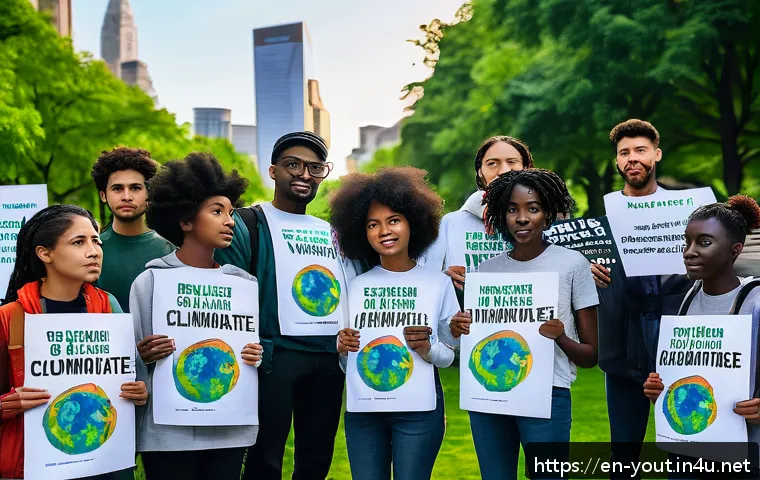
Young people have a remarkable ability to rally around issues they care deeply about, from climate change to social justice. The passion and urgency they bring can shift public conversations and policy agendas.
I recall a youth-led campaign that pushed for better recycling programs in their city, which gained widespread media attention and prompted local government action.
This kind of grassroots energy is contagious and shows how youth-led activism can lead to concrete improvements in communities.
Developing Leadership Skills Through Advocacy
Participating in social movements is more than just protesting; it’s a training ground for leadership. Youth learn how to organize events, engage stakeholders, and communicate effectively.
These experiences build resilience and strategic thinking, which are invaluable in any leadership role. I’ve witnessed young activists grow into confident public speakers and community leaders simply by taking on responsibilities within their movements.
Balancing Passion with Sustainable Action
One challenge in youth activism is maintaining momentum without burning out. Sustainable change requires not only passion but also planning, collaboration, and self-care.
Mentors and organizations that support youth activists can help by providing guidance on managing energy and expectations. When young leaders learn to balance intensity with strategic pacing, their impact becomes more enduring and less prone to fatigue.
Technology as a Catalyst for Youth Empowerment
Digital Platforms Amplifying Young Voices
Technology has revolutionized how young people connect, organize, and lead. Social media platforms enable youth to share ideas instantly, mobilize supporters, and build movements across borders.
I’ve seen campaigns start with a single hashtag and grow into international calls for change. This digital connectivity allows young leaders to bypass traditional gatekeepers and speak directly to audiences, amplifying their influence exponentially.
Equipping Youth with Digital Skills
To fully leverage technology, young leaders need access to digital literacy education. Learning how to create content, analyze data, and navigate online communities equips them with tools to build effective campaigns and businesses.
From my experience, youth who master these skills feel empowered to innovate and take control of their narratives rather than being passive consumers of technology.
Addressing Digital Divide and Inclusion
While technology offers incredible opportunities, not all youth have equal access. Bridging the digital divide is essential to ensure that empowerment efforts are inclusive.
Community centers, schools, and nonprofits that provide devices, internet access, and training help level the playing field. When more young people can participate in digital spaces, the diversity of voices and ideas enriches the leadership landscape.
Building Collaborative Networks for Youth Leadership
Connecting Youth Across Communities
Leadership grows stronger when young people collaborate beyond their immediate circles. Networks that link youth from different neighborhoods, cultures, and backgrounds foster exchange of ideas and solidarity.
I’ve noticed that these connections spark innovative solutions by combining diverse perspectives. Events like youth summits and online forums create spaces where young leaders can learn from each other and form lasting partnerships.
Role of Adult Allies in Supporting Networks
Adults who understand the importance of youth leadership often serve as facilitators rather than directors. Their role includes providing resources, opening doors to opportunities, and offering encouragement.
From my involvement in youth programs, the most successful networks are those where adults respect young people’s autonomy while standing ready to support when needed.
Measuring Impact and Celebrating Success
Tracking progress and celebrating wins is vital for sustaining motivation within youth leadership networks. This can be done through regular feedback sessions, showcasing stories of impact, and recognizing individual contributions.
I’ve found that when young leaders see tangible results from their efforts, it fuels their commitment and inspires others to join in.
Comparative Overview of Youth Leadership Strategies
| Strategy | Key Benefits | Challenges | Effective Supports |
|---|---|---|---|
| Community Engagement | Builds confidence, real-world skills | Initial hesitation, need for adult trust | Safe spaces, mentorship, gradual responsibility |
| Entrepreneurship | Financial literacy, innovation | Access to funding, experience gap | Incubators, peer networks, skill workshops |
| Social Movements | Advocacy skills, public impact | Burnout, sustaining momentum | Mentorship, strategic planning, self-care education |
| Technology Use | Amplified voice, digital skills | Digital divide, misinformation risks | Access programs, digital literacy training |
| Collaborative Networks | Diverse ideas, solidarity | Coordination challenges, adult-youth dynamics | Facilitators, clear roles, recognition systems |
Creating Pathways for Lifelong Leadership
Early Exposure to Responsibility
When youth are given leadership roles early—whether in school clubs, volunteer groups, or family settings—they develop habits and mindsets that last a lifetime.
The earlier they experience responsibility, the more natural leadership becomes. I’ve noticed that these early experiences also help youth set ambitious goals and pursue them with resilience.
Encouraging Reflection and Growth
Leadership isn’t just about action; it’s also about reflection. Encouraging young leaders to think critically about their experiences, challenges, and successes deepens their learning.
In practice, this can be done through journaling, group discussions, or coaching sessions. I’ve seen how this process builds self-awareness and adaptability, which are crucial for effective leadership.
Bridging Youth Leadership to Adult Roles
Sustaining youth leadership means creating clear pathways into adult leadership roles. This can involve internships, apprenticeships, and leadership pipelines that recognize and reward youth contributions.
From what I’ve experienced, when young leaders see a future where their efforts matter long-term, they’re more likely to stay engaged and continue driving positive change.
Conclusion
Empowering youth through leadership opportunities is a transformative journey that benefits both individuals and communities. When young people are trusted, supported, and equipped with the right tools, they develop confidence, innovation, and resilience. These experiences not only shape effective leaders today but also lay the foundation for lifelong positive impact. Investing in youth leadership is truly an investment in a brighter future for all.
Useful Information to Know
1. Early involvement in leadership roles helps youth build essential skills that last a lifetime.
2. Providing mentorship and resources significantly enhances young leaders’ success and creativity.
3. Access to digital tools and training is critical for youth to amplify their voices effectively.
4. Support networks and adult allies play a key role in sustaining motivation and growth.
5. Balancing passion with strategic planning prevents burnout and promotes lasting change.
Key Takeaways
Creating opportunities for youth leadership requires trust, space for self-governance, and access to resources. Supporting young entrepreneurs and activists with mentorship and funding is essential for overcoming common challenges. Technology acts as a powerful enabler but must be made accessible to all. Collaborative networks enrich youth leadership through diverse perspectives, while continuous reflection and clear pathways help transition youth into long-term leadership roles. Ultimately, nurturing youth leadership strengthens communities and drives meaningful progress.
Frequently Asked Questions (FAQ) 📖
Q: uestions about Youth Leadership and EmpowermentQ1: How can young people develop leadership skills through self-governed activities?
A: Young people develop leadership skills best when given the freedom to take initiative and make decisions within their own projects or groups. Self-governed activities encourage critical thinking, problem-solving, and teamwork as youths navigate real challenges without constant adult intervention.
From organizing community events to launching social campaigns, these hands-on experiences build confidence and teach responsibility. I’ve seen firsthand how stepping into leadership roles early empowers young individuals to communicate effectively and adapt quickly, skills that serve them well beyond their youth.
Q: What role do youth-led initiatives play in driving community change?
A: Youth-led initiatives bring fresh perspectives and innovative solutions to community issues, often tackling problems that adults might overlook. Because young people are deeply connected to current trends and social movements, their projects tend to resonate strongly with peers and local residents.
For example, youth-driven environmental campaigns or tech startups addressing social gaps can mobilize wider participation and generate sustainable impact.
By empowering young leaders, communities not only benefit from creative energy but also cultivate a new generation of engaged citizens ready to take on future challenges.
Q: What practical steps can organizations take to support youth leadership effectively?
A: Organizations looking to support youth leadership should focus on creating inclusive platforms where young voices are genuinely heard and valued. This means providing mentorship, access to resources, and opportunities for skill-building without micromanaging.
It’s crucial to foster an environment that encourages experimentation and learning from failure. Offering workshops on communication, project management, and fundraising can also boost confidence.
Based on my experience collaborating with youth groups, the best support balances guidance with autonomy, allowing young people to own their projects while knowing help is available when needed.