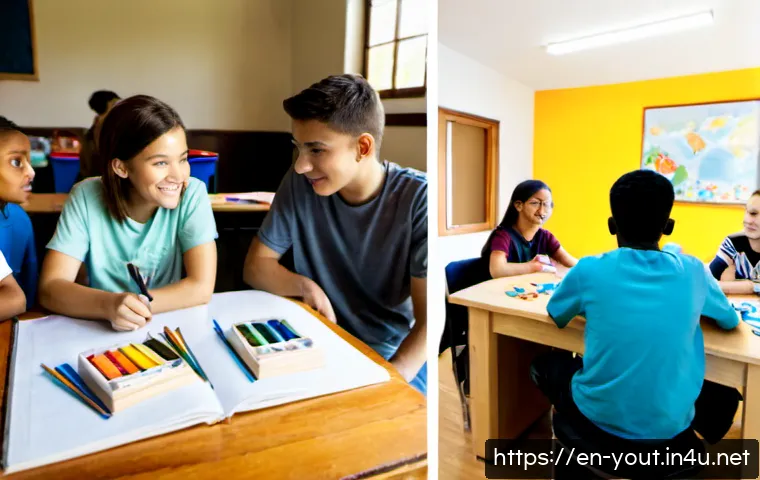
Learn how youth workers can plan youth-led problem-solving campaigns with clear goals, safeguarding steps, realistic budgets, and measurable outcomes.

Includes practical selection criteria for tools, training, and outside support.
A credible youth problem-solving campaign is built with young people, not simply presented to them. Start with a clear issue, a measurable goal, and safeguarding steps that cover participation, communication, and referrals.
An internal team may be enough when staff capacity and safety procedures are already in place. A community partner can extend reach, while training, campaign platforms, or an external facilitator may be worth considering when the issue, timeline, or safeguarding needs exceed the team’s experience.
The best choice depends on who needs to be involved, what action the campaign seeks, and how safely the work can be delivered. Visibility matters, but trust, privacy, and meaningful influence matter more.
At a Glance
- Young people should help define the issue, shape the message, and influence decisions, not only appear in campaign materials.
- A useful campaign goal identifies a target group, action, timeframe, and outcome indicator.
- Build safeguarding, consent, privacy, moderation, and referral planning into the campaign before public activity begins.
| Delivery option | Best-fit situation | Key cost and planning factors |
|---|---|---|
| In-house youth work team | The team has time, trusted relationships with participants, and workable safeguarding procedures. | Staff time, materials, venue access, accessibility support, outreach tools, and evaluation. |
| School, nonprofit, or local service partner | The campaign needs broader community reach, a specific setting, or closer links with decision-makers. | Coordination time, communication roles, venue arrangements, referral pathways, and shared responsibilities. |
| External facilitator or training provider | The issue is sensitive, the team needs campaign planning support, or an independent facilitator would improve participation. | Facilitator proposal, training scope, safeguarding approach, timeline, deliverables, and evaluation plan. |
What Makes a Youth Problem-Solving Campaign Credible and Effective?
A youth campaign becomes credible when participants can see how their input affects the work. The campaign does not need to solve every part of a difficult issue. It does need a focused purpose, a realistic action, and a clear way to review whether progress was made.
Start with a problem young people recognize in their daily lives
Begin by listening for concerns that young people describe in their own words. A school, youth center, nonprofit, or online community may identify different priorities, even when the broad topic sounds similar. Ask what is happening, who is affected, what makes the problem harder, and what change young people believe is possible.
Do not assume that adult priorities and youth priorities are identical. A consultation can be useful, but it should not be the final point of involvement. Young people should have an ongoing role in deciding which concern becomes the campaign focus.
Turn broad concerns into one clear, measurable campaign goal
Broad concerns such as safety, bullying, wellbeing, or substance use can be important starting points, but they are difficult to evaluate without a narrower goal. A stronger goal states the target group, the action expected, the timeframe, and an outcome indicator.
For example, instead of planning a campaign simply to “raise awareness,” decide what a specific audience should do, consider, discuss, or change by the end of the campaign period. Keep the intended action within the campaign’s influence. Avoid language that suggests the project can guarantee outcomes it cannot control.
Give young people meaningful roles beyond appearing in promotional materials
Youth participation is stronger when participants can help research the issue, test messages, select campaign channels, review materials, speak with decision-makers, or assess the results. Not every young person needs the same role. Some may prefer planning, design, facilitation, feedback, or behind-the-scenes work.
Be transparent about which decisions young people can influence and which decisions remain with the organization. This prevents token participation and makes expectations clearer from the start.
Choose the Right Delivery Model: Internal Team, Community Partner, or External Facilitator
The right model is the one that matches your staff capacity, safeguarding responsibilities, timeline, and campaign ambition. A larger or more visible campaign is not automatically the better option if the team cannot support participants safely throughout the process.
When an in-house youth work team is the practical choice
Internal delivery can work well when youth workers already know the participants, have time for planning and follow-up, and can manage communication responsibly. This approach may make it easier to keep youth input connected to daily program activity rather than treating the campaign as a separate event.
Before proceeding, confirm who will lead sessions, moderate online spaces, manage consent-related processes, respond to concerns, and track the outcome indicator. If these responsibilities are unclear, simplify the campaign or seek support.
When a school, nonprofit, or local service partnership adds value
A partner can add value when the campaign needs access to a school setting, a local meeting space, a wider audience, or a pathway to relevant decision-makers. Partnerships can also help connect participants to support when campaign discussions reveal concerns that need attention beyond the project.
Agree early on who makes decisions, who communicates with young people and families, and how safeguarding concerns will be handled. A partnership should improve clarity, not create uncertainty about responsibility.
When paid training or an external facilitator may justify the cost
External facilitation or youth engagement training may be worth the budget when staff need help with sensitive discussions, campaign design, group participation, online engagement, or independent evaluation. It can also be useful when internal staff are too close to an issue and young people may speak more openly with a skilled outside facilitator.
Review the provider’s proposed scope carefully. Look for a clear explanation of participant roles, safeguarding procedures, moderation arrangements where relevant, expected outputs, and how the facilitator will hand work back to your team.
Comparison factors: staff capacity, safeguarding, reach, timeline, and budget
Use five practical questions before selecting a delivery model. Do you have enough staff time? Can you manage safeguarding and referrals? Do you need a partner to reach the intended audience? Is the timeline realistic for meaningful youth participation? Does the budget protect essential delivery needs before promotional extras?
Safeguarding costs are not optional extras. If the budget is tight, reduce the scale of the campaign before reducing the steps that protect participants.
Plan the Campaign Workflow Without Overlooking Safety
A simple workflow helps people understand what happens before, during, and after public-facing activity. Plan the campaign as a sequence of decisions, not only as a launch date or a social media post.
Define participants, decision-makers, channels, and expected actions
Identify who will participate, who the campaign needs to reach, and who can make or influence the relevant decision. Then choose channels that fit those groups, such as facilitated sessions, school communication routes, community events, printed materials, or digital campaign tools.
Each channel should lead toward the same expected action. If the campaign uses several messages that ask different audiences to do unrelated things, the outcome will be harder to evaluate.
Build consent, privacy, moderation, and referral steps into the plan
Activities involving minors, volunteers, public events, photography, and online communication need safeguarding procedures from the outset. Plan how you will handle consent, privacy, participant contact, image use, moderation, and harmful content before collecting stories or publishing materials.
A referral plan is especially important when a campaign could reveal bullying, mental health concerns, abuse, substance use, or immediate safety issues. Staff and volunteers should know what to do when someone raises a concern. Exact legal duties, reporting obligations, consent rules, and background-check requirements vary by location, so confirm the applicable local requirements.
Set a realistic budget for materials, access needs, outreach, and evaluation
Start with essential delivery categories: staff time, venue access, accessibility support, transport, insurance, safeguarding processes, and evaluation. Then consider campaign design, printing, outreach tools, and other promotional activity.
This budget lens prevents a common mistake: spending heavily on visibility while leaving too little capacity for inclusive participation, moderation, or follow-up. Actual costs for training, software, venues, facilitators, and promotional services will vary, so compare the detailed scope rather than relying on a headline price.
Avoid Common Campaign Mistakes That Reduce Trust
Most trust problems are avoidable when teams are honest about their limits and prepared for foreseeable risks. The goal is not to remove every challenge. It is to avoid putting young people in a situation where their views are collected but not respected or supported.

Do not treat youth participation as a one-time consultation
If young people are asked for ideas but never see how those ideas affected the campaign, future engagement becomes harder. Share decisions back to participants. Explain what was adopted, what changed, and what could not be taken forward.
Avoid promises that the campaign cannot deliver
Campaign language should be motivating without making guarantees. Do not imply that a short project will resolve a complex community issue, change every participant’s experience, or secure a decision that remains outside the organization’s control.
Instead, state the action the campaign will take and the indicator it will review. This is more credible for young people, partners, and potential funders.
Prepare for disclosures, conflict, online harm, and public criticism
Public discussions can bring disagreement, distressing disclosures, or harmful online content. Assign roles before the campaign begins: who monitors comments, who responds to concerns, who pauses activity if needed, and who activates the referral process.
Digital campaigns should have moderation rules, privacy considerations, and clear escalation procedures. Do not ask young people to share personal experiences publicly unless participation, safety, and privacy have been carefully considered.
Adapt the Approach to the Campaign Setting
The same campaign goal may need a different delivery plan in a school, community venue, nonprofit program, or online-first environment. Adapt the process without weakening the core principles of meaningful participation and safeguarding.
School-based campaigns: align with safeguarding and school communication rules
School-based work should fit the school’s communication processes and safeguarding arrangements. Clarify how students will participate, how messages will be shared, and which staff members handle concerns or referrals. Check whether the campaign message is appropriate for the relevant age group and school context.
Community campaigns: work with local partners and accessible meeting spaces
Community campaigns can benefit from local partners and accessible meeting spaces. Think beyond the event itself: consider transport, venue access, participation support, and how young people can stay involved after a public meeting or activity.
Community settings may bring together young people from different backgrounds and experiences. Test messages with participants rather than assuming one message will fit every group.
Digital campaigns: use moderation, privacy settings, and age-appropriate content
An online-first campaign can broaden access, but it also requires active planning. Choose digital campaign platforms and survey tools with privacy, moderation, and participant access in mind. Set clear expectations for comments, direct messages, content sharing, and escalation when harmful material appears.
Keep content age-appropriate and avoid designs that pressure young people to disclose personal information. A digital channel should support the campaign goal, not become the goal by itself.
Selection Criteria and Comparison Summary
Before approving a tool, training package, survey platform, or facilitator proposal, use these decision checks:
- Training: Does it address the team’s actual gap, such as facilitation, safeguarding, moderation, or youth participation?
- Safeguarding software or communication tools: Can the team apply privacy settings, moderation rules, and escalation procedures in practice?
- Survey tools: Does the method collect only the information needed for the campaign outcome indicator, with appropriate privacy consideration?
- Facilitator proposals: Are the roles, deliverables, safeguarding approach, timeline, and handover arrangements clearly stated?
- Budget: Are staff time, accessibility support, transport, insurance, and evaluation considered before optional promotional spending?
- Long-term value: Will the approach leave the organization with clearer skills, processes, or partner connections after the campaign ends?
When comparing providers or campaign tools, review the official guidance and detailed conditions on the relevant page before making a commitment.
Questions to ask before approving a facilitator or service provider
Ask how the provider involves young people in decisions, how they handle safeguarding concerns, what they need from your staff, and how success will be reviewed. Also ask what is included in the scope and what remains your organization’s responsibility. A clear proposal should make these boundaries visible.
How to balance campaign visibility with youth safety and long-term impact
Choose visibility tactics only after the participation and safeguarding plan is sound. A smaller campaign with clear follow-up, responsible moderation, and meaningful youth influence can be more valuable than a high-profile launch with no support behind it. Measure the action you intended to encourage, then share the learning with young people and partners.
Closing Thoughts
Youth problem-solving campaigns earn trust when young people can recognize their ideas in the final work. Keep the goal specific, make participation meaningful, and plan safety before public visibility. Choose internal delivery, a partner, or outside support based on actual capacity rather than appearances. A realistic campaign with clear follow-up is a stronger foundation than an ambitious plan with unclear responsibility.
Useful Information to Know
Keep a decision record. Note what young people recommended, what the team decided, and why. This helps demonstrate meaningful participation and makes evaluation more useful.
Plan referrals before discussion begins. Sensitive topics can raise concerns unexpectedly, so staff and volunteers should know the internal process and relevant local support routes.
Test messages before launch. A short review with the intended age group can reveal whether language, visuals, or calls to action are unclear or unsuitable.
Key Considerations
Legal duties, background checks, consent requirements, reporting obligations, and child-protection processes vary by country, state, school district, and organization. Confirm the rules that apply to your setting before launching the campaign. Some issues may require clinical, legal, school-district, or child-protection involvement, and a campaign should not replace those responsibilities. Also review whether the message is appropriate for the age group, culture, and community involved.
Frequently Asked Questions
Q1. How much does it cost to run a youth problem-solving campaign?
A1. Costs depend on the campaign scope and delivery model. A practical budget may include staff time, venue access, accessibility support, design, printing, outreach tools, transport, insurance, safeguarding, and evaluation. Compare the full scope of training, software, facilitator, venue, or promotional services rather than assuming a standard cost.
Q2. When should a youth organization hire an external campaign facilitator?
A2. Consider external facilitation when the team needs support with sensitive discussions, youth participation methods, campaign planning, online moderation, or evaluation. It may also be useful when staff capacity is limited or an independent voice could help young people participate more openly. Check the facilitator’s safeguarding approach, scope, timeline, deliverables, and handover plan before approval.
Q3. How can youth workers make sure a campaign is safe for young participants?
A3. Build safeguarding into the campaign plan from the beginning. Include consent and privacy considerations, rules for photos and public communication, moderation procedures for digital activity, and a clear referral and escalation process for concerns involving bullying, mental health, abuse, substance use, or immediate safety. Confirm the local requirements that apply to your organization and setting.