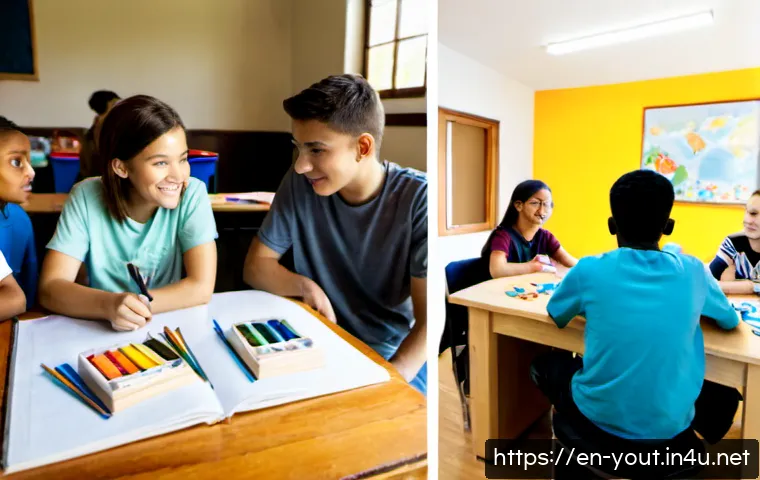
Effective youth prevention plans start with trusted relationships, early identification, practical support, and clear referral routes when needs go beyond youth work.

The strongest approach combines safe day-to-day systems with proportionate responses instead of waiting for a crisis. Youth workers can choose between universal activities, targeted support, and individual referral based on the level of concern.
Staff training, safeguarding software, counseling partnerships, and community providers can each strengthen a plan when they match the organization’s capacity and reporting needs.
The goal is not to diagnose young people, but to notice concerns, respond carefully, and connect them with appropriate support. This guide helps teams compare those options without assuming that one tool or provider fits every setting.
At a Glance
- Connection comes first: supportive adult relationships, family communication, and school connection can be protective factors.
- Respond at the right level: use universal, targeted, or individual support rather than treating every concern as a crisis.
- Prepare referrals early: clear safeguarding procedures and partner contacts help staff act calmly when concerns escalate.
| Support option | Best fit | Key decision point |
|---|---|---|
| In-house staff training | Teams needing consistent everyday prevention and safeguarding practice | Whether staff need stronger shared skills and clearer boundaries |
| External specialist support | Needs that exceed the youth team’s role or capacity | Scope of service, referral process, and appropriate qualifications |
| Counseling partnerships | Organizations that need a defined route to appropriate services | Availability, consent requirements, privacy, and eligibility rules |
| Safeguarding or case-management tools | Programs managing observations, follow-up, and internal reporting | Privacy controls, documentation workflow, and reporting fit |
What Effective Prevention Looks Like in Youth Settings
The Three Priorities: Trusted Relationships, Safe Systems, and Early Support
Adolescence involves rapid social, emotional, physical, and cognitive change. A prevention plan should therefore combine supportive adult relationships with reliable systems. Young people need to know who they can speak with, what help is available, and what happens if a safety concern is raised. Trust matters, but so do professional boundaries and safeguarding procedures.
Why Prevention Is More Than Responding After a Crisis
Prevention is not simply crisis response. It includes creating safe activities, strengthening school and family communication where appropriate, noticing changes early, and reducing barriers to appropriate services. Challenges such as emotional distress, substance use, violence, school disengagement, and online harm can overlap. A coordinated response is often more useful than a single isolated intervention.
A Quick Action Summary for Frontline Youth Staff
Listen, observe, document, consult, and refer when needed. Avoid labeling behavior or presenting an observation as a diagnosis. If there are concerns about immediate safety, abuse, neglect, or reporting obligations, follow the organization’s safeguarding process and applicable local requirements promptly.
Match the Prevention Approach to the Level of Need
Universal Approaches for All Participants
Universal prevention supports all young people without singling anyone out. It can include clear behavior expectations, welcoming group activities, digital safety conversations, opportunities for youth voice, and consistent access to trusted staff. This approach helps build connection before a young person is in visible difficulty.
Targeted Support for Emerging Concerns
Targeted support may be appropriate when a group or young person appears to face elevated risk. This could involve additional check-ins, smaller activities, family communication within agreed boundaries, or support from a school-community partner. The purpose is proportionate support, not permanent labeling.
Individual Referral and Crisis Escalation Pathways
Individualized support is needed when concerns are identified that require services beyond the youth worker’s role. A referral pathway may involve counseling, healthcare, child-protection, legal, or emergency services, depending on local procedures and the situation. Youth workers should not promise confidentiality they cannot keep when safety or reporting concerns apply.
Compare Training, Specialist Support, and Safeguarding Tools
When Staff Training Is the Best Investment
Staff training is a strong first option when a team needs a shared approach to boundaries, early identification, documentation, and conversations with young people. Safeguarding training can reduce uncertainty in routine situations and help staff recognize when internal support is no longer sufficient.
When an External Counselor, Clinician, or Community Partner Is Needed
External specialist support is appropriate when needs require clinical assessment, crisis intervention, formal protection action, or expertise the organization does not provide. Before creating a partnership, clarify the provider’s scope, referral steps, confidentiality process, service coverage, and who communicates with the young person and family.
What to Evaluate in Case-Management and Safeguarding Systems
A safeguarding platform or case-management system should support careful records, appropriate access controls, follow-up tasks, and reporting workflows. Check whether it fits your organization’s privacy responsibilities and staff capacity. A feature-rich system is not automatically useful if staff cannot apply it consistently.
Value Considerations: Staff Time, Continuity, Privacy, and Service Coverage
Compare options by looking beyond the purchase decision. Consider staff time, continuity when workers change, privacy safeguards, referral readiness, and the service gaps a tool or provider can realistically address. Official product information and provider terms are the best place to verify features and contract conditions.
Build a Practical Prevention Workflow
Identify Concerns Without Stereotyping or Diagnosing
Focus on specific observations and conversations rather than assumptions about a young person’s character, family, or health. A change in attendance, participation, mood, peer conflict, or online behavior may warrant a supportive conversation, but it does not establish a diagnosis or explain the cause.
Document Observations and Conversations Appropriately
Record relevant facts, dates, actions taken, and agreed next steps according to organizational procedure. Keep language neutral and avoid speculation. Good documentation supports continuity, especially when more than one staff member or external partner is involved.
Communicate Boundaries, Confidentiality, and Next Steps Clearly
Young people should understand what staff can keep private and the limits of confidentiality. Explain this in plain language before a sensitive conversation whenever possible. If a concern must be shared, communicate the next step respectfully and avoid making promises about outcomes that the worker cannot control.
Create a Referral Map Before an Urgent Situation Occurs

Build a practical contact map for schools, healthcare providers, counseling referral services, family-support organizations, emergency pathways, and safeguarding contacts. Review it regularly because local eligibility, availability, consent rules, and reporting duties may change.
Adapt Support for Common Youth-Service Situations
School Disengagement and Attendance Concerns
Start with curiosity rather than judgment. A trusted adult can ask what is making participation difficult and identify whether school connection, family communication, peer issues, or another support route should be explored. Coordinate with relevant partners only through appropriate procedures.
Peer Conflict, Bullying, and Online Harm
Make safe reporting routes visible and respond consistently to concerns. Online harm may continue outside program hours, so staff should understand internal safeguarding steps and know when external support or escalation is needed. Do not assume a digital issue is minor simply because it happened online.
Substance-Use Concerns and Risk-Taking Behavior
Use calm, non-stigmatizing language and avoid acting as though youth workers can provide clinical assessment. Document relevant observations, follow safeguarding procedures, and consider specialist referral where appropriate. Immediate safety concerns require prompt action under local policy.
Emotional Distress, Isolation, and Family Stress
Consistent contact, safe activities, and a supportive conversation may help a young person feel less isolated. However, persistent distress or safety concerns may require a counseling partnership or another specialist service. Families, schools, healthcare providers, and community organizations can each have different roles in a coordinated plan.
Choosing Support Resources for Your Youth Program
Selection Criteria for Training Providers and Partner Services
Compare training providers and partner services by scope, safeguarding approach, staff relevance, referral process, privacy practices, and contract fit. Ask whether the offering supports prevention work in your setting rather than relying only on broad marketing claims.
Questions to Ask Before Purchasing a Safeguarding or Case-Management Solution
Who can access records? How are observations, actions, and follow-ups documented? Does the system support your reporting workflow? What staff training is needed? How will privacy requirements be handled? These questions help distinguish a useful safeguarding tool from one that creates extra administrative burden.
A Decision Checklist for Capacity, Cost, Privacy, and Referral Readiness
Choose the option that fits the level of need, your team’s capacity, and the strength of your referral network. Review implementation demands alongside cost, confirm privacy and reporting requirements locally, and make sure staff know what to do when a concern moves beyond internal youth work.
Selection Criteria and Comparison Summary
Before selecting training, counseling referral services, an external provider, or safeguarding software, check: the support scope, safeguarding features, staff capacity, privacy and reporting needs, referral pathways, and contract fit. A practical choice should make the next step clearer for staff and safer for young people. For detailed features, service conditions, and eligibility requirements, review the relevant provider’s official information.
Final Thoughts
Strong prevention work is built into everyday youth settings, not reserved for moments of crisis. Trust, clear boundaries, safe systems, and coordinated referrals give staff a realistic structure for responding to concerns. No single training course, tool, or partner replaces sound judgment and local safeguarding procedures. The most useful plan is one that staff can apply consistently and review as needs change.
Useful Information to Keep in Mind
1. Protective factors can include supportive adults, family communication, safe environments, school connection, and appropriate services.
2. Early identification should lead to support, not labeling.
3. Referral maps work best when created before an urgent situation.
4. Clear professional boundaries protect both young people and staff.
Important Notes
Local licensing, consent, confidentiality, mandated-reporting, and child-protection requirements must be checked for your area and organization. This information does not determine whether a particular young person is at risk or requires clinical, emergency, legal, or protection intervention. Follow applicable local procedures whenever immediate safety, abuse, neglect, or other urgent concerns arise.
Frequently Asked Questions
Q1. What prevention strategies are most useful for youth workers supporting teenagers?
A1. Useful strategies combine trusted relationships, safe environments, school and family connection where appropriate, early observation, clear safeguarding procedures, and access to suitable services. Universal support for all participants should sit alongside targeted and individual options.
Q2. When should a youth worker refer a young person to a counselor or specialist service?
A2. Referral may be appropriate when the need exceeds the youth worker’s role, requires specialist assessment or support, or involves safety concerns. Follow organizational safeguarding procedures and confirm local consent, confidentiality, and reporting requirements.
Q3. How can a youth organization choose safeguarding training or case-management software?
A3. Compare options based on staff needs, safeguarding scope, documentation workflow, privacy controls, reporting requirements, implementation capacity, and contract terms. Verify specific features, pricing, and suitability directly with each provider before making a decision.