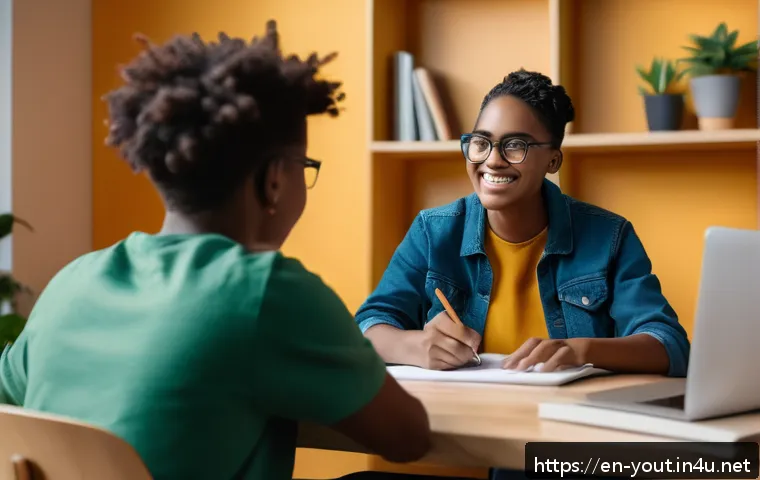
When it comes to supporting at-risk youth, collaboration between youth counselors and social workers plays a crucial role. Their combined expertise helps address complex challenges, from mental health issues to family dynamics, creating a more comprehensive support system.
I’ve seen firsthand how teamwork between these professionals can lead to more effective interventions and better outcomes for young people. This partnership not only maximizes resources but also fosters a deeper understanding of each individual’s needs.
Let’s dive in and explore these collaborative success stories in detail!
Building Trust Through Consistent Communication
Establishing Open Dialogue
One of the biggest hurdles in supporting at-risk youth is breaking down their walls of mistrust. When youth counselors and social workers prioritize open dialogue, they create a safe space for young people to share their struggles without fear of judgment.
I’ve noticed that regular, honest conversations help build rapport, which is crucial for effective intervention. By simply listening and validating their feelings, these professionals lay the foundation for meaningful change.
The youth start to feel heard, and that alone can spark motivation to engage more actively in support programs.
Coordinating Between Multiple Parties
Youth at risk often find themselves navigating a complex web of challenges—from school issues to family conflicts and mental health concerns. In my experience, when counselors and social workers consistently communicate, they avoid duplicated efforts and conflicting advice.
This coordination ensures that everyone involved is on the same page, providing a united front for the youth. For instance, a social worker might handle housing or financial aid, while the counselor focuses on emotional support.
When these roles are clearly defined and coordinated, the young person receives a more streamlined and effective support system.
Using Technology to Enhance Communication
Nowadays, technology plays a vital role in maintaining communication between youth counselors, social workers, and the youth themselves. Platforms like secure messaging apps or shared case management systems allow instant updates and collaboration, which is a game-changer for timely interventions.
I recall a case where a quick alert from a counselor about a youth’s sudden crisis enabled the social worker to respond immediately with resources. This kind of seamless communication would have been impossible without technology, highlighting how digital tools enhance teamwork and ultimately improve outcomes.
Tailoring Interventions to Individual Needs
Assessing Holistic Needs
Every young person’s situation is unique, which is why personalized interventions matter so much. When youth counselors and social workers collaborate closely, they bring different perspectives that help paint a fuller picture of the youth’s needs.
Counselors often focus on emotional and behavioral aspects, while social workers address environmental and systemic factors. Together, they assess everything from mental health to family dynamics, education, and peer relationships.
This comprehensive approach ensures that no critical issue is overlooked, making the intervention more targeted and effective.
Developing Flexible Support Plans
Rigid, one-size-fits-all programs rarely work for at-risk youth. From what I’ve seen, the best outcomes come from flexible support plans that adapt as the youth’s circumstances evolve.
Counselors and social workers collaborate to create plans that can shift focus—from crisis management to skill building or community integration—as needed.
This flexibility shows respect for the youth’s pace and readiness, fostering empowerment rather than dependency. It’s rewarding to witness young people gradually take ownership of their progress when their support system adapts to their evolving needs.
Engaging Families and Communities
A young person’s environment plays a huge role in their well-being, so involving families and community resources is essential. Youth counselors and social workers often partner to connect families with counseling, parenting programs, or local support groups.
I’ve observed that when families feel supported and understood, they become allies in the youth’s journey rather than obstacles. Additionally, community involvement—like mentorship programs or recreational activities—provides positive outlets and role models.
This multi-layered support network helps youth feel less isolated and more hopeful about their futures.
Addressing Mental Health Challenges Collectively
Recognizing Early Warning Signs
Mental health issues can be subtle and easily missed, especially in youth who may mask their struggles. Through collaboration, counselors and social workers can pool their observations to identify early warning signs more accurately.
For example, a counselor might notice changes in behavior during sessions, while a social worker sees shifts in the home environment or school performance.
Combining these insights allows for quicker, more precise identification of mental health concerns, which is critical for timely intervention.
Coordinating Treatment and Support
Once mental health issues are identified, coordinated care is key. Social workers often facilitate access to psychiatric services or community resources, while counselors provide ongoing emotional support and coping strategies.
I’ve seen this dual approach make a huge difference, especially when youth face stigma or fear seeking help. The counselor’s relationship builds trust, encouraging youth to follow through with treatment plans arranged by social workers.
This coordinated effort reduces the risk of youth falling through the cracks during vulnerable periods.
Promoting Resilience and Coping Skills
Beyond crisis management, building resilience is a vital part of supporting at-risk youth. Counselors and social workers collaborate to teach coping mechanisms, stress management, and problem-solving skills.
In my experience, integrating these lessons into both therapeutic sessions and daily life situations helps youth handle future challenges more confidently.
They learn not just to survive difficult times but to thrive despite them. This proactive focus on resilience transforms the support system from reactive to empowering.
Leveraging Community Resources for Holistic Support
Connecting Youth to Educational Opportunities
Educational setbacks are common among at-risk youth, but youth counselors and social workers can work together to bridge gaps. Social workers often navigate systems to secure scholarships, tutoring, or alternative schooling, while counselors provide emotional encouragement and academic motivation.
I remember a case where this collaboration helped a youth re-engage with education after dropping out, leading to graduation and even college enrollment.

Access to education opens doors and shifts the trajectory of a young person’s life dramatically.
Facilitating Access to Health and Social Services
Physical health and social stability are foundational to a youth’s overall well-being. Social workers typically handle referrals to healthcare providers, housing assistance, or food security programs, while counselors support the youth emotionally through these processes.
This partnership ensures that practical needs don’t overshadow mental health support but instead complement it. The combined effort creates a safety net that allows young people to focus on personal growth rather than survival.
Promoting Positive Peer and Recreational Activities
Social connections and healthy leisure activities play a crucial role in youth development. Counselors and social workers often team up to introduce youth to clubs, sports, or arts programs that foster belonging and skill-building.
I’ve seen how these positive environments reduce risky behaviors and build confidence. When youth feel connected and valued in a community, they’re more likely to envision a brighter future and make choices aligned with their goals.
Enhancing Professional Development and Mutual Learning
Cross-Training to Expand Skill Sets
Youth counselors and social workers benefit greatly from learning each other’s approaches and tools. Cross-training sessions help them understand the nuances of each profession, from counseling techniques to social service regulations.
I’ve participated in workshops where sharing real case studies deepened our collective expertise, leading to more nuanced interventions. This ongoing learning fosters respect and smoother collaboration, which ultimately benefits the youth served.
Regular Case Review Meetings
Scheduled meetings where both professionals discuss cases in depth are invaluable. These forums allow them to share updates, brainstorm solutions, and adjust strategies collaboratively.
I’ve found these meetings not only improve case outcomes but also strengthen professional relationships. They create a culture of accountability and continuous improvement, ensuring that no youth’s needs are overlooked or misunderstood.
Sharing Success Stories and Challenges
Openly discussing both wins and struggles helps build a supportive network among professionals. Hearing success stories boosts morale and inspires creative approaches, while sharing challenges fosters problem-solving and empathy.
From my perspective, this transparency reduces burnout and keeps the focus on the youth’s best interests. It’s a reminder that collaboration is not just about tasks but about shared commitment and passion.
Measuring Impact and Refining Collaborative Practices
Tracking Key Outcome Metrics
To know if collaboration is truly making a difference, it’s essential to track outcomes like school attendance, mental health improvements, and family stability.
Youth counselors and social workers often jointly develop metrics that reflect holistic progress. I’ve seen how data-driven insights help them identify what’s working and where adjustments are needed.
This approach moves the partnership from intuition-based to evidence-based practice.
Gathering Youth Feedback
Listening directly to youth about their experiences provides invaluable guidance for refining support strategies. Counselors and social workers collaborate to create safe ways for youth to share honest feedback.
From what I’ve observed, when youth feel their voices matter, their engagement and trust grow significantly. This feedback loop empowers youth and ensures that services remain relevant and respectful.
Continuous Improvement Through Reflection
Regular reflection on collaborative efforts encourages innovation and adaptability. Youth counselors and social workers analyze successes and setbacks to refine their approaches continually.
I recall teams that used after-action reviews to tweak communication methods or intervention timing, resulting in smoother processes and better youth outcomes.
This commitment to growth demonstrates professionalism and dedication to excellence in youth support.
| Collaboration Aspect | Role of Youth Counselors | Role of Social Workers | Benefits |
|---|---|---|---|
| Communication | Build rapport, monitor emotional state, provide counseling updates | Coordinate resources, manage case logistics, ensure service continuity | Consistent messaging, timely interventions, reduced duplication |
| Intervention Planning | Assess emotional and behavioral needs, develop coping strategies | Evaluate environmental factors, secure support services | Personalized, holistic care tailored to youth’s unique needs |
| Mental Health Support | Provide ongoing therapeutic support, promote resilience | Facilitate access to psychiatric and community services | Comprehensive mental health care, improved treatment adherence |
| Community Engagement | Encourage participation in positive activities | Connect families to resources, assist with social services | Stronger support networks, enhanced youth well-being |
| Professional Development | Share counseling techniques, participate in case reviews | Offer insights on social systems, collaborate on training | Improved skills, better teamwork, higher service quality |
Closing Thoughts
Consistent collaboration between youth counselors and social workers is essential for creating meaningful and lasting support for at-risk youth. Through open communication, tailored interventions, and shared expertise, these professionals can foster trust and resilience in young people. Their combined efforts pave the way for healthier futures and stronger communities. Ultimately, it’s this partnership that transforms challenges into opportunities for growth.
Useful Information to Remember
1. Regular, honest communication builds trust and encourages youth engagement in support programs.
2. Coordinated efforts between counselors and social workers prevent duplicated services and streamline care.
3. Personalized intervention plans that adapt to changing needs empower youth to take ownership of their progress.
4. Early identification of mental health concerns through collaboration leads to timely and effective treatment.
5. Involving families and community resources strengthens support networks and promotes overall well-being.
Key Takeaways
Effective support for at-risk youth depends on seamless teamwork between counselors and social workers. Prioritizing open dialogue and coordinated intervention ensures that each young person’s unique needs are met comprehensively. Leveraging technology and community resources enhances this collaboration, while ongoing professional development sharpens skills and improves outcomes. Consistently measuring impact and incorporating youth feedback keeps services relevant and responsive, ultimately fostering resilience and lasting positive change.
Frequently Asked Questions (FAQ) 📖
Q: How do youth counselors and social workers complement each other when working with at-risk youth?
A: Youth counselors bring specialized skills in building trust and providing emotional support, while social workers offer expertise in navigating social services and addressing systemic issues like family challenges or housing instability.
Together, they create a well-rounded support system that tackles both the immediate emotional needs and the broader social factors affecting the youth.
From my experience, this blend of skills often leads to more personalized and effective interventions.
Q: What are some common challenges faced during collaboration between youth counselors and social workers?
A: One challenge is communication—different professional approaches and jargon can sometimes cause misunderstandings. Another is coordinating schedules and caseloads to ensure timely support without overwhelming the youth.
However, when both parties prioritize open dialogue and shared goals, these hurdles can be overcome. In practice, I’ve seen teams implement regular check-ins and collaborative planning sessions to keep everyone aligned and focused on the youth’s best interests.
Q: How does collaboration between these professionals improve outcomes for at-risk youth?
A: When youth counselors and social workers work hand-in-hand, interventions become more holistic. For example, a counselor might identify a mental health concern, and the social worker can then connect the youth to appropriate community resources or family support programs.
This teamwork reduces gaps in care and ensures that the youth receive comprehensive assistance. Personally, I’ve witnessed young people become more engaged and resilient when supported by a coordinated team rather than isolated efforts.