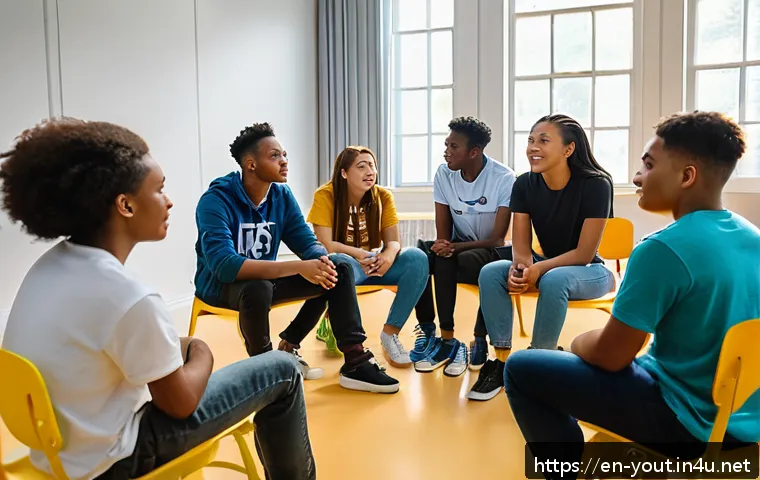
In today’s rapidly evolving world, empowering youth has never been more crucial. With growing challenges like unemployment and social isolation, effective volunteer coordination and mentorship programs offer a powerful solution to unlock young people’s true potential.
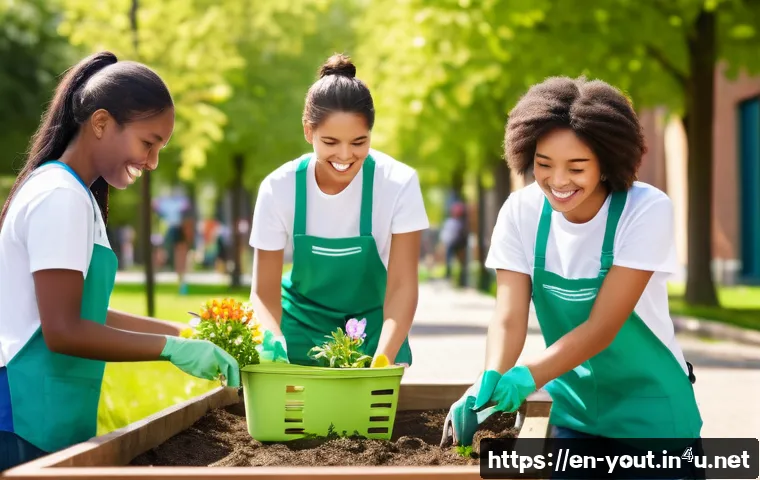
From personal growth to community impact, these initiatives create meaningful opportunities that resonate far beyond the individual. If you’ve ever wondered how structured guidance can transform a young person’s future, you’re about to discover insights that highlight the importance of mentorship in shaping tomorrow’s leaders.
Let’s dive into why these programs matter now more than ever.
The Role of Mentorship in Building Youth Resilience
How Personalized Guidance Fosters Confidence
When young people receive tailored mentorship, it’s like handing them a personalized map through the often confusing terrain of adolescence and early adulthood.
I’ve seen firsthand how a mentor’s encouragement can spark newfound confidence. Instead of feeling lost or overwhelmed, mentees start to believe in their own abilities.
This isn’t just about handing out advice but about walking alongside someone, celebrating small wins, and offering a steady hand during setbacks. The emotional support helps young people develop resilience, enabling them to bounce back stronger from challenges like academic pressure or social anxieties.
The Power of Role Models in Shaping Aspirations
Mentors often serve as tangible examples of what’s possible. When youth see someone who has navigated similar struggles and succeeded, their dreams suddenly feel reachable.
I remember a program where teens connected with professionals in their desired fields, and the transformation was remarkable. It’s not only about career advice; it’s about instilling a mindset that success is attainable with persistence.
These role models demystify the future, making abstract goals concrete and actionable. This connection can ignite passion and direction during a critical phase of identity formation.
Developing Critical Life Skills Through Mentorship
Beyond emotional support and inspiration, mentorship is a practical toolkit for life skills. Communication, problem-solving, time management—these are skills that mentors help young people develop through real conversations and shared experiences.
I’ve noticed that mentees often improve their decision-making abilities because mentors encourage reflection rather than just giving answers. This hands-on learning environment builds independence and prepares youth for real-world situations, from job interviews to managing interpersonal relationships.
Enhancing Volunteer Engagement for Youth Empowerment
Creating Purpose-Driven Volunteer Opportunities
Volunteering becomes truly impactful when it’s connected to a sense of purpose. Programs that link volunteer tasks to meaningful community outcomes ignite passion and commitment among youth.
I’ve observed that when young volunteers understand the “why” behind their actions—whether it’s cleaning a park, tutoring kids, or supporting local shelters—they develop a deeper emotional investment.
This purpose-driven approach keeps them motivated and eager to contribute regularly, turning volunteering from a one-time activity into a sustained habit.
Building Social Connections Through Group Volunteering
One of the most overlooked benefits of volunteering is the social bond it creates. Group volunteer activities help youth break out of social isolation by fostering teamwork and shared goals.
In my experience, many teens who initially hesitated to join volunteer programs found a sense of belonging and friendship through these shared efforts.
This social aspect can be transformative, especially for those struggling with loneliness or social anxiety. The camaraderie formed often extends beyond the project, creating supportive peer networks.
Volunteering as a Pathway to Skill Development and Career Exploration
Volunteering can be more than just giving back—it can be a stepping stone to future careers. I’ve seen programs that integrate skill-building workshops alongside volunteer activities, which provide youth with hands-on experience and clearer career insights.
This dual approach helps young people explore different fields while contributing to their communities. It’s a win-win: they gain valuable skills and references that enhance their resumes, while organizations benefit from their fresh perspectives and energy.
Strategies to Foster Long-Term Youth Engagement
Consistent Follow-Up and Support Systems
Sustaining youth involvement requires ongoing engagement beyond the initial program. From my observations, programs that include regular check-ins, feedback sessions, and continuous support keep youth motivated over time.
This consistent attention shows young people that their efforts are valued and that there’s a community rooting for their success. It also helps identify and address any emerging challenges early, preventing dropouts and fostering a sense of accountability.
Incorporating Youth Voices in Program Design
One of the most effective ways to ensure engagement is by involving youth in the decision-making process. When young people have a say in shaping volunteer or mentorship programs, they feel ownership and responsibility.
I’ve worked with initiatives where youth councils or advisory boards helped tailor activities to better fit their interests and needs. This empowerment not only boosts participation but also nurtures leadership skills, as youth learn to advocate for themselves and their peers.
Recognizing and Celebrating Achievements
Acknowledgment goes a long way in reinforcing positive behavior. Celebrating milestones, whether big or small, creates motivation and pride among youth participants.
I’ve seen how recognition events, certificates, or even simple shout-outs during meetings encourage continued involvement. This positive reinforcement builds a culture of appreciation and helps youth internalize their value, boosting their self-esteem and inspiring others to join.
Measuring Impact: How Mentorship and Volunteering Change Lives
Tracking Personal Growth Metrics
Quantifying growth can be tricky but essential. Programs that use self-assessments, mentor evaluations, and goal-setting tools provide concrete evidence of progress.
In my experience, youth often surprise themselves when they see tangible proof of how much they’ve grown in confidence, skills, or social connections.
These metrics help mentors tailor support and provide compelling stories for stakeholders and funders.
Community-Level Benefits and Ripple Effects
The impact of youth engagement isn’t limited to individuals; it extends to entire communities. Volunteering projects often address local needs, improve public spaces, or support vulnerable populations.

I’ve witnessed how these efforts inspire others to get involved, creating a ripple effect that strengthens community bonds. When young people contribute visibly, they also challenge stereotypes about youth disengagement, shifting public perception positively.
Long-Term Success Stories as Proof of Concept
Nothing speaks louder than real-life success stories. I’ve kept in touch with many former mentees and volunteers who’ve gone on to college, careers, and leadership roles.
Their journeys provide powerful testimonials that mentorship and volunteering work. These stories not only motivate current participants but also attract new supporters and funding, ensuring the sustainability of these valuable programs.
Key Components of Effective Youth Development Programs
| Component | Description | Impact on Youth |
|---|---|---|
| Personalized Mentorship | One-on-one guidance tailored to individual needs and goals | Builds confidence, resilience, and critical life skills |
| Purpose-Driven Volunteering | Engagement in meaningful community projects | Enhances motivation and sense of contribution |
| Peer Social Support | Group activities fostering teamwork and belonging | Reduces social isolation and builds friendships |
| Youth Participation in Planning | Involving youth in program design and decisions | Empowers leadership and increases engagement |
| Recognition and Feedback | Regular acknowledgment of efforts and achievements | Boosts self-esteem and encourages sustained involvement |
Overcoming Common Challenges in Youth Programs
Addressing Engagement Drop-Off
It’s common for initial excitement to wane, especially when youth face competing demands like school or jobs. From what I’ve seen, keeping communication open and flexible scheduling can help maintain involvement.
Offering varied activities that adapt to changing interests also keeps things fresh. Sometimes, it’s about reminding participants of the bigger picture and their own growth to rekindle motivation.
Handling Resource Limitations
Many programs struggle with funding or staffing shortages. Creative partnerships with local businesses, schools, and nonprofits can bridge gaps. I’ve witnessed how leveraging volunteers as peer leaders or using digital tools for mentorship can stretch resources effectively.
Transparency with youth about challenges also encourages collective problem-solving and buy-in.
Ensuring Inclusivity and Accessibility
Youth from diverse backgrounds often face barriers to participation. Programs that proactively address language, transportation, and cultural relevance make a big difference.
I recall a program that offered transportation vouchers and multilingual mentors, which significantly increased attendance and engagement. Creating safe, welcoming spaces where all youth feel valued is crucial to true empowerment.
Leveraging Technology to Expand Youth Mentorship and Volunteering
Virtual Mentorship Platforms
Technology has opened doors to connect mentors and youth across distances. I’ve used virtual platforms that facilitate video calls, chat, and resource sharing, which proved invaluable especially during times of social distancing.
These tools make mentorship more accessible, breaking down geographic or scheduling barriers, and often allow more frequent, flexible interactions.
Online Volunteer Matching Services
Digital tools that match youth with volunteer opportunities based on interests and availability streamline engagement. I’ve seen how apps and websites simplify the process, making it easier for young people to find projects that excite them.
This convenience reduces friction and encourages sustained participation by fitting volunteering into busy lifestyles.
Gamification and Incentives
Incorporating game-like elements into programs can boost motivation. Leaderboards, badges, and rewards tap into youth’s natural competitiveness and desire for achievement.
I’ve noticed that when programs creatively use gamification, participation rates improve, and youth feel more connected to the experience. This approach also adds an element of fun, making service and learning feel less like chores and more like challenges to conquer.
In Conclusion
Mentorship and volunteering play essential roles in shaping resilient, confident, and engaged young people. Through personalized support, meaningful experiences, and ongoing encouragement, youth can overcome challenges and discover their true potential. These programs not only empower individuals but also create positive ripples throughout communities. Investing in youth development is an investment in a brighter, more connected future.
Useful Information to Remember
1. Personalized mentorship builds confidence and critical life skills by providing tailored guidance and emotional support.
2. Purpose-driven volunteer opportunities increase motivation by connecting youth with meaningful community impact.
3. Group volunteering fosters social connections, reducing isolation and promoting teamwork.
4. Involving youth in program design boosts engagement and nurtures leadership skills.
5. Recognizing achievements encourages sustained participation and builds self-esteem.
Key Takeaways
Effective youth development thrives on personalized support, purposeful engagement, and inclusive environments. Maintaining consistent communication and adapting to youth needs help sustain involvement. Leveraging technology and recognizing achievements further enhance motivation and accessibility. Ultimately, empowering youth through mentorship and volunteering creates lasting benefits for both individuals and communities alike.
Frequently Asked Questions (FAQ) 📖
Q: How do volunteer coordination and mentorship programs specifically benefit young people facing unemployment?
A: Volunteer coordination and mentorship programs provide young individuals with hands-on experience, skill development, and networking opportunities that traditional job searches often lack.
By engaging in meaningful volunteer work and receiving guidance from mentors, young people can build confidence, discover career paths, and gain practical skills that make them more attractive to employers.
From what I’ve seen working closely with youth, those who participate in these programs often report feeling more prepared and motivated to tackle the job market challenges.
Q: What role does mentorship play in combating social isolation among youth?
A: Mentorship offers a vital human connection that helps young people feel seen, supported, and understood. Many youths struggling with social isolation benefit from having a trusted mentor who listens and provides encouragement.
This relationship fosters emotional resilience and a sense of belonging, which are crucial for mental well-being. In my experience, mentorship programs create safe spaces where young people can open up, build social skills, and form networks that extend beyond the program itself.
Q: Why are structured guidance programs more effective than informal support for youth development?
A: Structured programs provide clear goals, consistent engagement, and tailored support that informal help often lacks. They combine professional oversight with personalized mentorship, ensuring that young people receive the right resources at the right time.
From coordinating volunteers to setting milestones, these programs maintain momentum and accountability, which greatly increases the chances of long-term success.
Based on what I’ve observed, young people thrive best when guidance is organized and intentional, rather than sporadic or casual.