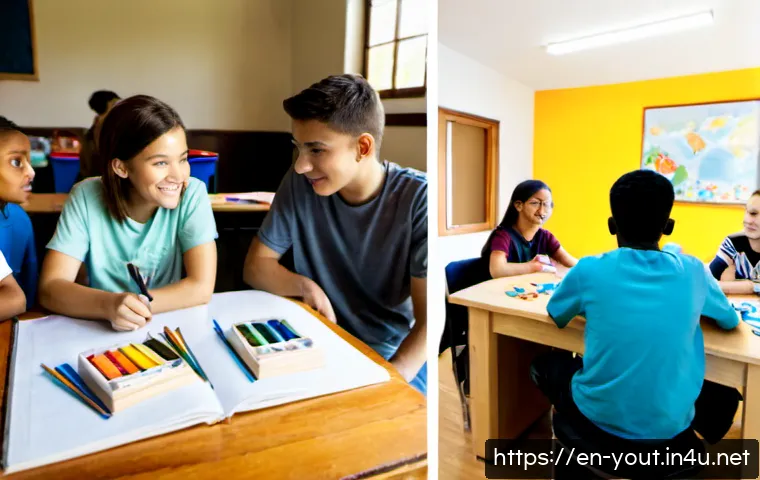
Youth workers and nonprofit organizations can expand safe, relevant programs through clear roles, safeguarding standards, shared budgets, and outcome tracking.

Compare common partnership models, cost factors, and practical selection criteria.
For limited budgets, a referral partnership is often the simplest starting point; for specialist support, a contracted-service model may be more suitable; and for multi-agency work, a coalition can improve coordination. The best choice depends on the program’s capacity, safeguarding needs, operational control, and reporting responsibilities. A partnership should reduce gaps for young people rather than create duplicated work between organizations. Clear roles, safe referral routes, and realistic budget planning matter more than a polished agreement alone. Program management software, safeguarding training, and grant management tools can support delivery when they match the organization’s actual workflow. Local requirements for credentials, screening, insurance, and supervision should always be checked before services begin.
At a Glance
- Referral partnerships can suit organizations that need occasional support without running a full youth service.
- Co-delivery and contracted services may work when staffing, specialist skills, facilities, or program control need to be shared or clearly assigned.
- Coalitions can help coordinate multi-agency youth programs, but they need stronger communication and accountability processes.
| Partnership Type | Typical Resource Needs | Operational Control | Risk Management Need | Best-Use Scenario |
|---|---|---|---|---|
| Referral partnership | Low to moderate staff coordination | Each organization manages its own service | Clear referral and follow-up pathways | Limited-capacity nonprofit needing access to support |
| Co-delivered program | Shared staff, facilities, planning, and materials | Shared control | Aligned safeguarding and supervision expectations | Schools or community centers expanding activities |
| Contracted youth service | Defined service scope and budget administration | Purchasing organization sets agreed requirements | Contract, insurance, reporting, and provider checks | Need for specialist facilitation or short-term capacity |
| Community coalition | Regular meetings, coordination, shared planning | Distributed across participating organizations | Strong governance and information-handling procedures | Multi-agency youth priorities across a community |
What a Strong Youth Worker–Nonprofit Partnership Looks Like
A strong partnership begins with a practical answer to one question: what will each organization do that it could not do as effectively alone? The answer may involve youth engagement expertise, trusted community access, venue availability, specialist activities, or stronger reporting capacity. Collaboration should have a defined purpose, not simply a general intention to “work together.”
Three Practical Indicators: Shared Goals, Defined Responsibilities, and Safe Referral Pathways
First, partners should agree on the youth group, program purpose, and reasonable activities. Second, responsibilities should be visible: who recruits participants, communicates with families, supervises sessions, records concerns, manages transportation, and reports to funders. Third, organizations need safe referral pathways so that a young person is not passed between teams without a clear next step or responsible contact.
When Collaboration Adds More Value Than Hiring or Operating Alone
Partnership can add value when one organization has community trust while another has youth work capacity, facilities, or specialist knowledge. It can also be useful when a nonprofit needs a short-term program without creating a permanent internal structure. However, collaboration may add unnecessary complexity if both parties offer the same service, use incompatible processes, or cannot assign a clear lead for youth safety and communication.
Compare Four Partnership Models Before Committing Resources
Referral Partnerships for Limited-Capacity Organizations
A referral partnership is often a practical option for a small nonprofit that cannot deliver every youth service directly. One organization identifies a need and connects the young person or family with another service. This approach can reduce delivery pressure, but it still requires clear consent, appropriate information handling, follow-up expectations, and a named contact on both sides.
Co-Delivered Programs for Shared Staff and Facilities
In a co-delivered model, partners may jointly plan and run workshops, after-school sessions, mentoring activities, or community events. The advantage is that staff, spaces, and participant relationships can be combined. The main caution is blurred accountability. Put in writing who has responsibility for attendance, supervision, incident escalation, materials, venue access, and communication with parents or guardians where relevant.
Contracted Youth Services for Specialist Support
A contracted-service model can fit when an organization needs an outside youth worker, facilitator, trainer, or provider with a defined role. The scope should state the service, deliverables, schedule, reporting process, payment terms, and exit arrangements. Before selecting an external provider, compare their safeguarding training, supervision approach, insurance coverage, experience with the intended setting, and documentation process.
Community Coalitions for Multi-Agency Coordination
Coalitions can bring together nonprofits, schools, community centers, and other local partners around a shared youth priority. They are useful when challenges cannot be addressed by one service alone. They also require more structure: meeting schedules, decision-making rules, a coordination lead, shared definitions, and boundaries around data sharing. A coalition should not assume that all members can access the same youth information or make decisions on behalf of another organization.
Budget, Capacity, and Value: What Organizations Should Assess
Direct Costs: Staffing, Training, Transportation, Materials, and Venue Access
Budget discussions should include the visible delivery costs, such as staff time, youth safeguarding training, transportation, materials, activity supplies, technology access, and venue arrangements. Even when a partner contributes resources in kind, record what is being provided and who is responsible if that resource becomes unavailable. This helps prevent a program from relying on assumptions that are never budgeted.
Indirect Costs: Safeguarding Systems, Reporting, Insurance, Administration, and Evaluation
Indirect costs are frequently overlooked. Consider administrative time, volunteer background-check services, case-management tools, incident-recording processes, insurance requirements, grant management, communications, and outsourced evaluation support. The applicable requirements can vary by location, service type, funder, and organization. Confirm them locally rather than assuming another organization’s procedures automatically apply.
How to Assess Value Without Making Unsupported Outcome Claims
Value does not require a promise of guaranteed youth outcomes. Instead, assess whether the partnership gives the program a clear delivery plan, appropriate staff capacity, safer processes, useful participation records, and a realistic way to learn from implementation. For a grant-funded project, agree early on what information needs to be collected and who will prepare progress reports. A simple measurement plan is often more workable than collecting large amounts of data without a defined purpose.
Set Up the Collaboration Without Creating Safety or Accountability Gaps
Define Roles, Escalation Routes, Data Handling, and Communication Schedules

Create a role-and-responsibility list before the first activity. It should identify the program lead, session staff, safeguarding contact, emergency escalation route, referral owner, data holder, and funder-reporting contact. Agree how often partners will communicate and how urgent concerns will be raised. If case-management software is used, confirm who can access which records and whether the arrangement fits local privacy obligations.
Confirm Safeguarding, Background-Screening, and Supervision Expectations
Youth safety cannot be left to informal assumptions. Partners should confirm safeguarding policies, background-screening expectations, training requirements, supervision arrangements, and incident-reporting procedures. A youth worker’s credential or screening requirement may differ depending on the country, state, municipality, setting, and duties involved. Check the applicable rules and organizational policies before assigning staff or volunteers.
Avoid Common Mistakes in Memorandums of Understanding and Informal Referrals
Common problems include vague language, no named responsible person, unclear expenses, missing communication procedures, and assumptions about who handles an incident. An agreement does not need to be overly complicated, but it should be specific enough to guide action. Informal referrals deserve the same care: define what information can be shared, how a referral is acknowledged, and what happens if the receiving service cannot accept it.
Match the Partnership Approach to Your Program Situation
Small Nonprofits Needing Occasional Youth Engagement Support
Start with a referral arrangement or a narrowly defined contracted activity. This can be easier to manage than building a full in-house youth program immediately. Focus on one service gap, one responsible contact, and a clear process for youth safety and follow-up.
Schools and Community Centers Expanding After-School Programming
Co-delivery may fit when one partner offers facilities and participant access while another provides youth work staff or activities. The agreement should address supervision during arrival and departure, venue rules, communication with families, and responsibility for attendance records. Do not assume a shared location automatically means shared accountability.
Funded Pilot Projects That Need Measurement and Reporting Capacity
A contracted provider or coalition arrangement may help a pilot program access specialist delivery and evaluation support. Before launch, identify the reporting requirements, data collection responsibilities, and timeline for reviewing what worked operationally. Grant funding does not guarantee continuation, so build an approach that can be reviewed realistically at the end of the pilot period.
Selection Criteria and Comparison Summary
Before choosing a partnership model, review mission fit, youth safety procedures, staffing capacity, cost transparency, operational control, and measurement needs. Ask whether the partner can explain its safeguarding training, background-screening process, supervision structure, insurance coverage, and record-handling practices. Compare nonprofit program management software or grant management tools based on the reporting tasks your team actually performs, not on unused features. If specialist support is needed, ask outside facilitators or evaluation providers how they define scope, communicate findings, and handle youth-related information. For official terms, service details, and eligibility conditions, review the relevant provider or organization page directly.
Closing Thoughts
The most effective youth worker–nonprofit partnership is usually the one with the clearest purpose and the fewest unspoken assumptions. A modest referral process may be more appropriate than a large coalition for some organizations. Others may need shared delivery, specialist services, or coordinated community planning. Whatever model is chosen, document responsibility, protect young people, and review the arrangement as the program develops.
Useful Information to Keep in Mind
1. A written role list can be as important as a formal agreement.
2. Safeguarding expectations should be confirmed before youth activities begin.
3. Shared data should have a defined purpose and access boundary.
4. Budget planning should include administration and evaluation, not only activity delivery.
5. A partnership can be reviewed or adjusted; it does not need to be permanent to be useful.
Important Considerations
Actual budgets, staff pay, insurance requirements, safeguarding laws, grant eligibility rules, licensing requirements, and credential expectations vary by location, funder, organization, and service setting. This guidance is general and should not replace local legal, regulatory, safeguarding, or insurance advice. No partnership model can guarantee funding approval, youth outcomes, or long-term sustainability.
Frequently Asked Questions
Q1. What is the most cost-effective way for a small nonprofit to work with youth workers?
A1. A referral partnership or a narrowly scoped contracted service may be easier to manage than creating a full in-house program. The appropriate option depends on the nonprofit’s needs, local requirements, safeguarding responsibilities, and available coordination time.
Q2. What should be included in a youth program partnership agreement?
A2. Include the program purpose, each party’s responsibilities, staffing and supervision expectations, safeguarding and escalation routes, information-handling boundaries, budget responsibilities, communication schedule, reporting expectations, and a process for ending or reviewing the arrangement.
Q3. When should a nonprofit hire an external youth services provider instead of building an in-house program?
A3. An external provider may be worth considering when specialist skills, short-term capacity, independent facilitation, or evaluation support is needed. Compare the provider’s scope, safeguarding procedures, supervision, insurance, reporting approach, and fit with the organization’s program goals before making a decision.