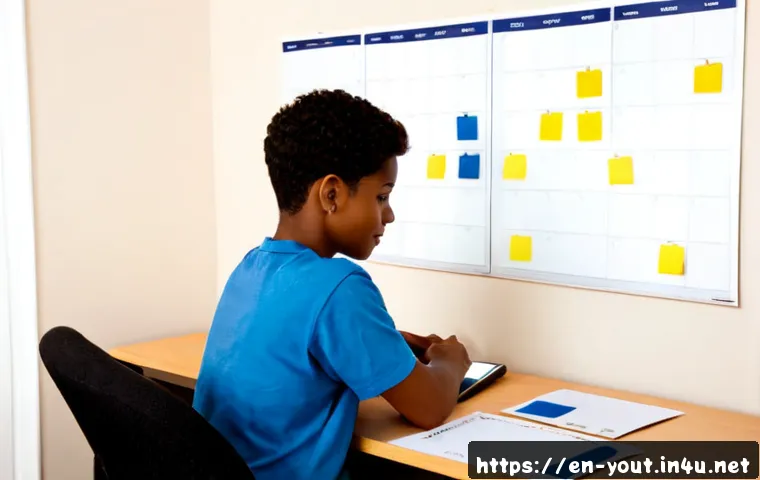
Youth workers can build teen learning motivation by making learning relevant, offering real choices, and providing steady, supportive feedback. Relationship-based support may be enough for many situations, while structured curriculum, digital engagement tools, or staff training can be worth considering when consistency, tracking, or team-wide practice is needed.

Motivation is not simply about persuading a young person to work harder. It can be shaped by confidence, stress, learning gaps, unclear expectations, and access to resources.
Clear next steps help teens see progress without turning every activity into a reward competition. The best option depends on the young people, the setting, safeguarding requirements, and the time staff can realistically provide.
At a Glance
- Teens are more likely to engage when learning connects to their interests, goals, and everyday life.
- Choice, competence, and supportive relationships are useful foundations for learning motivation.
- Before buying a resource, compare staff time, safeguarding fit, accessibility, training needs, and total cost.
| Support Option | Best Fit | Main Strength | What to Check Before Choosing |
|---|---|---|---|
| Staff-led activities | Flexible, relationship-based youth programs | Can be adapted around individual interests and local opportunities | Staff capacity, planning time, and consistency across sessions |
| Ready-made curriculum | Programs needing a repeatable structure | May reduce planning demands and support consistent delivery | Age fit, accessibility, safeguarding content, and required preparation |
| Digital engagement platform | Blended, remote, or progress-tracking programs | Can support organized learning activities and feedback | Privacy, access needs, staff oversight, features, and renewal terms |
| External training or specialist support | Teams seeking broader practice change or help with complex barriers | Can strengthen shared staff approaches | Training relevance, credential requirements, safeguarding approach, and total commitment |
What Actually Helps Teens Want to Learn
Teen learning motivation usually grows when a young person can answer three questions: Why does this matter to me? Can I do it? and Is there someone here who will support me? A youth worker does not need to have every academic answer. Their role can be to create a safe setting where the young person can identify a meaningful goal, try a manageable step, and review what happened without embarrassment.
Start With Relevance, Choice, and a Trusted Adult Relationship
Start with the young person’s own interests and future hopes. A conversation about school attendance, a job idea, a creative interest, or a practical skill may reveal a more useful starting point than asking why they are “not motivated.” Connect learning to daily life where possible. For example, planning an event can involve communication, budgeting, problem-solving, and teamwork.
Choice matters, but it should be meaningful choice. Offer two realistic ways to complete an activity, a choice of topic, or a choice of role in a group project. Keep the necessary structure in place. Too many options can be confusing, while no options can make participation feel imposed.
Use Small, Visible Progress Markers Instead of Vague Encouragement
“Good job” can be encouraging, but specific feedback is more useful when a teen is trying to understand their progress. Point to what they did: they returned after a difficult session, completed one part of a task, asked a question, or tested a new approach. Clear, attainable goals can turn a distant ambition into a next action the young person can recognize.
A simple progress check can work well: identify one short goal, agree on what “done” looks like, and revisit it together. This approach supports a sense of competence without making the process feel like a formal assessment.
Recognize When Motivation Is Masking a Confidence or Access Problem
Low participation is not proof of laziness. A teen may be dealing with learning gaps, stress, low confidence, limited access to materials, unclear instructions, or an environment that does not feel safe. A reluctant learner may need clearer expectations, more time, a different format, or appropriate support rather than stronger pressure.
Look for patterns before selecting an intervention. Do they engage when the topic is practical but withdraw during written tasks? Do they participate one-to-one but remain quiet in a group? Do they understand the goal but lack the resources to take the next step? These observations can help staff distinguish between low relevance, low confidence, skill gaps, and environmental barriers.
Compare Motivation Support Options Before Spending Your Budget
A paid resource is not automatically more effective than a staff-led activity. The better question is whether it solves a real program need. If staff already have strong relationships and enough planning time, low-cost activities may be the right choice. If delivery is inconsistent or staff need a shared approach, a curriculum resource, youth engagement platform, or tutor-training course may deserve closer review.
Low-Cost Staff-Led Activities: Best for Flexible, Relationship-Based Programs
Staff-led activities work well when youth workers can respond to changing interests and build learning around real conversations. Goal-mapping, peer-led projects, practical challenges, and short reflection activities can all support engagement without requiring a purchased product.
The caution is consistency. A flexible approach still needs clear aims, realistic boundaries, and time for staff to plan and follow up. If the quality of delivery depends on one highly confident worker, the program may be difficult to sustain.
Ready-Made Curriculum: Best When Consistency and Planning Time Matter
A ready-made curriculum can be useful when several staff members need to run similar sessions or when coordinators want a clearer structure. It may provide activities, sequencing, and facilitation guidance that reduce preparation time.
Before selecting a curriculum resource, check whether it fits your participants’ age group and setting. Review how it handles accessibility, discussion of sensitive topics, and safeguarding procedures. A polished resource still needs adaptation if it does not connect with the young people in front of you.
Digital Engagement Platforms: Best When Tracking, Blended Learning, or Remote Access Is Needed
Digital learning tools and youth engagement platforms may help programs organize activities, share resources, and support progress reviews. They can be useful where young people need remote access or where staff need a clearer way to coordinate learning plans.
Do not choose a platform based on features alone. Check privacy controls, staff oversight, accessibility, device access, and safeguarding policies. Also consider whether the tool creates extra work for staff or whether it genuinely makes participation easier for young people.
External Training or Specialist Support: Best for Complex Needs or Team-Wide Practice Changes
Staff development can be valuable when a team wants to improve how it supports learning motivation across the whole program. External training may help workers develop a shared language around feedback, choice, confidence, and psychologically safe group practice.
Training is not a substitute for ongoing reflection. Before enrolling, verify the provider’s course content, staff-time commitment, credential requirements where relevant, and how the training fits your safeguarding procedures. Consider whether the learning can be applied in your actual setting rather than only discussed in theory.
A Practical Youth Worker Process for Building Learning Engagement
A consistent process gives young people support without making every conversation feel like a performance review. Keep it collaborative. The goal is not to control motivation, but to help a teen identify a reason and a route for moving forward.
Ask What the Young Person Wants From School, Work, or Future Opportunities
Ask open questions: What would make school, training, or work feel more useful right now? What would they like to be able to do? What gets in the way? Listen for interests as well as difficulties. A young person may care about independence, a future job, helping family, sport, creativity, or being part of a group.
Turn a Large Goal Into a Short, Achievable Next Step
“Do better in school” is too broad to guide action. A more workable step might be choosing one assignment to begin, attending one support session, preparing one question for a teacher, or completing one agreed part of a project. The next step should be clear enough that both the teen and the youth worker know what progress looks like.
Offer Meaningful Choices Without Removing Necessary Structure
Give choices around topic, format, timing where possible, or group role. At the same time, be honest about non-negotiable boundaries such as respectful behavior, safety procedures, and agreed program expectations. Choice works best when it is paired with clarity.
Review Progress and Adjust the Plan With the Young Person

Ask what helped, what felt difficult, and what should change next time. If a plan did not work, avoid treating that as failure. It may show that the task was too large, the goal was not personally meaningful, the environment was not supportive, or another barrier needs attention.
Avoid These Common Motivation Mistakes
Using Prizes as the Only Reason to Participate
Rewards may encourage short-term participation, but relying on them alone can weaken long-term ownership. If incentives are used, keep them secondary to meaningful activities, supportive feedback, and opportunities for young people to see their own progress.
Confusing Quiet Behavior With Disengagement
A quiet teen may be observing, thinking, anxious, or more comfortable contributing in another way. Offer different routes to participate, such as writing, paired discussion, practical roles, or one-to-one check-ins. Do not assume that the most vocal participant is the most engaged.
Setting Goals That Are Too Broad, Too Difficult, or Adult-Defined
Goals are more useful when they are clear, attainable, and connected to what the young person values. Staff can suggest options, but adult-defined goals may not create genuine ownership. Check that the teen understands the purpose and agrees with the next step.
Choosing Tools Without Checking Accessibility, Privacy, and Safeguarding Needs
A curriculum, app, or evaluation tool should fit the program rather than force the program to fit the product. Review who can access it, what information it collects, how staff supervise use, and whether the resource supports your safeguarding procedures.
Tailor the Approach to the Setting
One-to-One Mentoring for Teens With Low Confidence or Unclear Goals
One-to-one mentoring can give a young person more space to talk through concerns, identify barriers, and choose a realistic next step. It may be particularly useful when confidence is low or when a teen is unsure what they want from school, work, or future opportunities.
Small-Group Projects for Peer Connection and Shared Accountability
Small-group projects can make learning feel more social and practical. Give each person a clear role and create tasks that need collaboration rather than competition. A psychologically safe group environment matters: young people should be able to ask questions and make mistakes without being ridiculed.
School-Linked and Community Programs for Practical, Real-World Learning
School-linked and community youth programs can connect learning with real situations. A project, event, volunteer activity, or practical challenge may help teens see why communication, planning, research, and problem-solving matter. Keep expectations clear and avoid assuming that one real-world activity will motivate every participant in the same way.
Choosing the Right Support for Your Program
Use these decision checks before investing in a curriculum resource, digital learning platform, program evaluation tool, or staff training course:
- Compare staff time, upfront cost, renewal fees, and required training.
- Check whether the resource fits your age group, delivery setting, and safeguarding procedures.
- Review accessibility needs, privacy practices, and the level of staff oversight required.
- Ask whether the tool solves a specific problem, such as planning consistency, progress tracking, or remote participation.
- Pilot one approach, collect participant feedback, and review outcomes before expanding.
Compare features, safeguarding policies, staff time, and total cost on the provider’s official information page before purchase or enrollment.
Final Thoughts
Teen learning motivation is more likely to grow when young people feel respected, capable, and connected to a reason that matters to them. Youth workers can make a real difference by turning broad hopes into manageable actions and by noticing barriers that may sit behind low participation. Resources and training can support that work, but they should strengthen relationships and sound practice rather than replace them. A small, well-reviewed change is often more useful than adopting a complex system too quickly.
Useful Things to Know
1. Specific feedback can help a young person recognize progress more clearly than general praise.
2. Meaningful choices can support ownership while clear structure keeps activities manageable.
3. Low confidence, learning gaps, stress, and lack of resources can all affect participation.
4. Participant feedback is useful when reviewing whether a new program approach is working in your setting.
Important Considerations
No activity, app, reward system, curriculum, or training provider will work the same way for every young person or program. Effectiveness depends on individual needs, staff capacity, safeguarding practice, and the setting. Verify current pricing, local funding eligibility, credential requirements, platform features, and provider policies directly before making a financial or enrollment decision. Where a young person has learning, emotional, family, or accessibility needs, avoid assumptions and consider appropriate support within your organization’s procedures.
Frequently Asked Questions
Q1. What is the most effective way for a youth worker to motivate a teenager to learn?
A1. Start by connecting learning to the teenager’s interests, daily life, or future goals. Then agree on a clear, achievable next step and give specific feedback on progress. Supportive relationships, meaningful choice, and a sense of competence are important foundations.
Q2. Are paid youth engagement programs or learning platforms worth the cost?
A2. They may be worth considering when your program needs more consistent delivery, structured curriculum, progress tracking, remote access, or staff development. Compare the resource with staff-led options and check total cost, staff time, accessibility, privacy, safeguarding policies, and training requirements before deciding.
Q3. What should a youth organization check before choosing a motivation curriculum or staff training course?
A3. Check whether it fits the age group and setting, supports safeguarding procedures, meets accessibility needs, and can be delivered with available staff time. Review provider information directly for pricing, renewal terms, features, credential requirements, and any local funding conditions.